
Comprehensive A2 French
This course will guide you through the A2 level of French, as defined by the CEFR framework. Building on your A1 knowledge, you will learn to describe past events, discuss future plans, and handle everyday situations with more confidence. The course covers all essential A2 grammar and vocabulary thematically. It begins with a short introduction and an optional A1 revision unit, and concludes with a comprehensive test to showcase your new skills. For best results, study regularly and complete your reviews every day.
Decks in this Course
23 items
Introduction to Comprehensive A2 French
A brief introduction to the A2 French course, outlining the structure, setting expectations, and providing essential study tips. This deck emphasizes the importance of consistent daily study and completing all reviews for effective learning.

Optional A1 French Revision
An optional review of difficult or essential A1 grammar points required for A2. This includes the present tense of key irregular verbs (être, avoir, aller, faire), adjective agreement, and forming basic questions.

Talk About the Past in French: Le Passé Composé with 'Avoir'
Learn to form and use the passé composé with the auxiliary verb 'avoir' for regular (-er, -ir, -re) and the most common irregular verbs. This deck covers forming past participles and negation.

Talk About Movement in French: Le Passé Composé with 'Être'
Master the formation of the passé composé with the auxiliary verb 'être' for verbs of movement and state (e.g., aller, venir, partir). This deck focuses on the crucial agreement of the past participle with the subject.

Describe Daily Routines in French with Reflexive Verbs
Learn essential French vocabulary for daily routines and master the use of reflexive verbs in the present tense. This deck covers common actions like waking up, getting dressed, and washing, and provides practice for all subject pronouns.
Discuss Past Routines in French: Reflexive Verbs in the Passé Composé
Learn to form the passé composé with reflexive verbs, which always use 'être' as the auxiliary. This deck focuses on mastering the rules for past participle agreement in this context.

Describe Past Settings in French: L'Imparfait
Learn the formation and use of the French imperfect tense (l'imparfait). This deck covers how to conjugate verbs in the imparfait, including the key irregular verb 'être', and explains how to use this tense to describe past habits, ongoing actions, and background settings.
Tell Stories in French: Choosing Between Passé Composé and Imparfait
Understand the difference between the passé composé (for specific, completed actions) and the imparfait (for descriptions and background) and learn how to use them together to narrate a story in French.

Talk About the Future in French: Futur Proche and Futur Simple
Learn to form and use both the near future (le futur proche) for immediate plans and the simple future (le futur simple) for more distant or certain plans.

Avoid Repetition in French: Direct and Indirect Object Pronouns
Learn to replace nouns with direct (le, la, les) and indirect (lui, leur) object pronouns to make your French sound more natural and avoid repetition. This deck focuses on their use and placement in the present tense.
Use Object Pronouns in the Past Tense in French
Master the placement of direct and indirect object pronouns in the passé composé. This includes the important rule of past participle agreement with a preceding direct object pronoun when using 'avoir'.

Connect Ideas in French: Relative Pronouns 'Qui', 'Que', and 'Où'
Learn to use the French relative pronouns 'qui', 'que', and 'où' to connect clauses. This deck will help you create more complex and descriptive sentences by combining simple ideas.
Give Commands in French: L'Impératif
Learn to form and use the imperative mood for 'tu', 'nous', and 'vous' to give direct commands, make suggestions, and offer advice.

Make Comparisons in French: Comparatives and Superlatives
Learn how to form comparatives (more than, less than, as... as) and superlatives (the most, the least) to compare people, objects, and places.
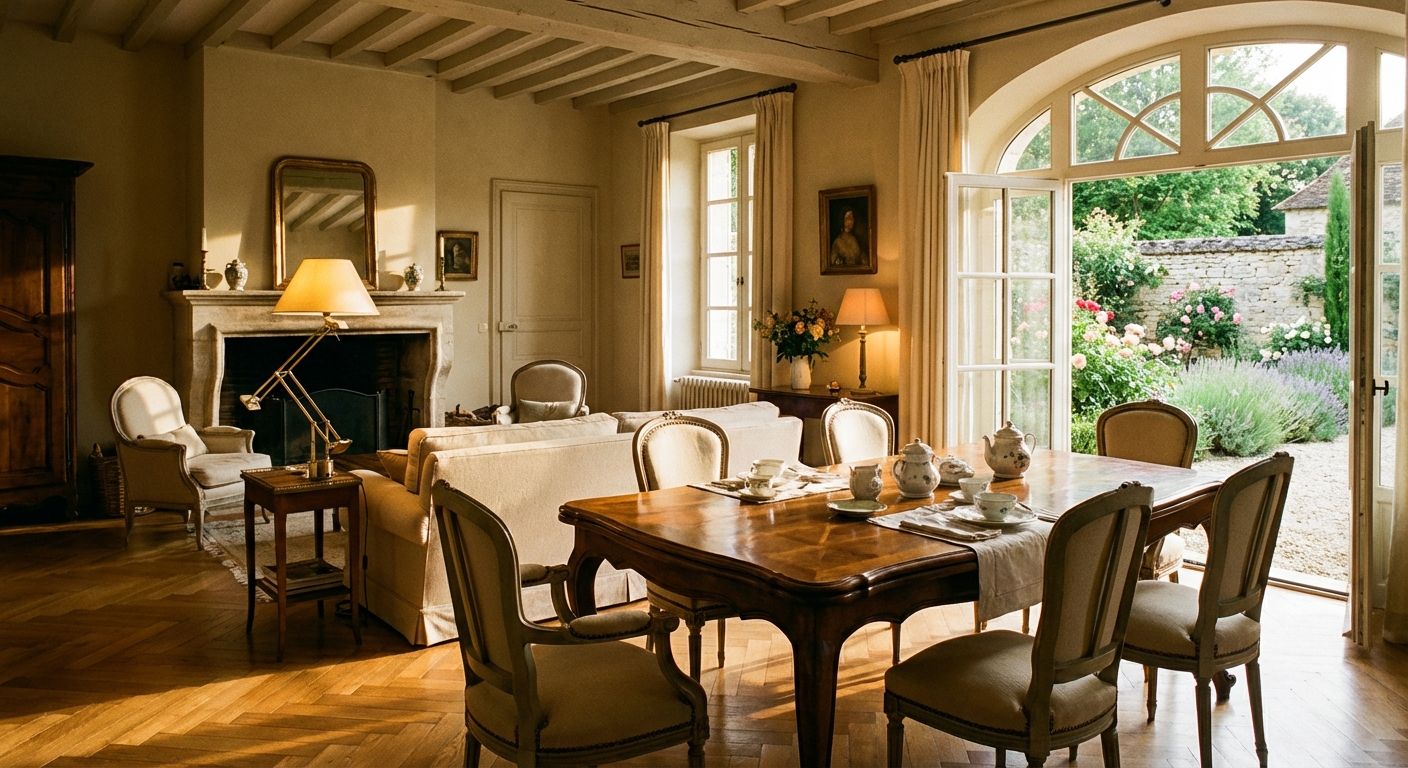
French Vocabulary: Your Home and Furniture
Learn the French names for rooms in a house (la cuisine, le salon) and common items of furniture and household objects (la table, le lit, la chaise).

French Vocabulary: Food and Drink
Learn essential French vocabulary for food, drink, and groceries. This deck also covers practical phrases for shopping at a market and ordering a meal in a café or restaurant.
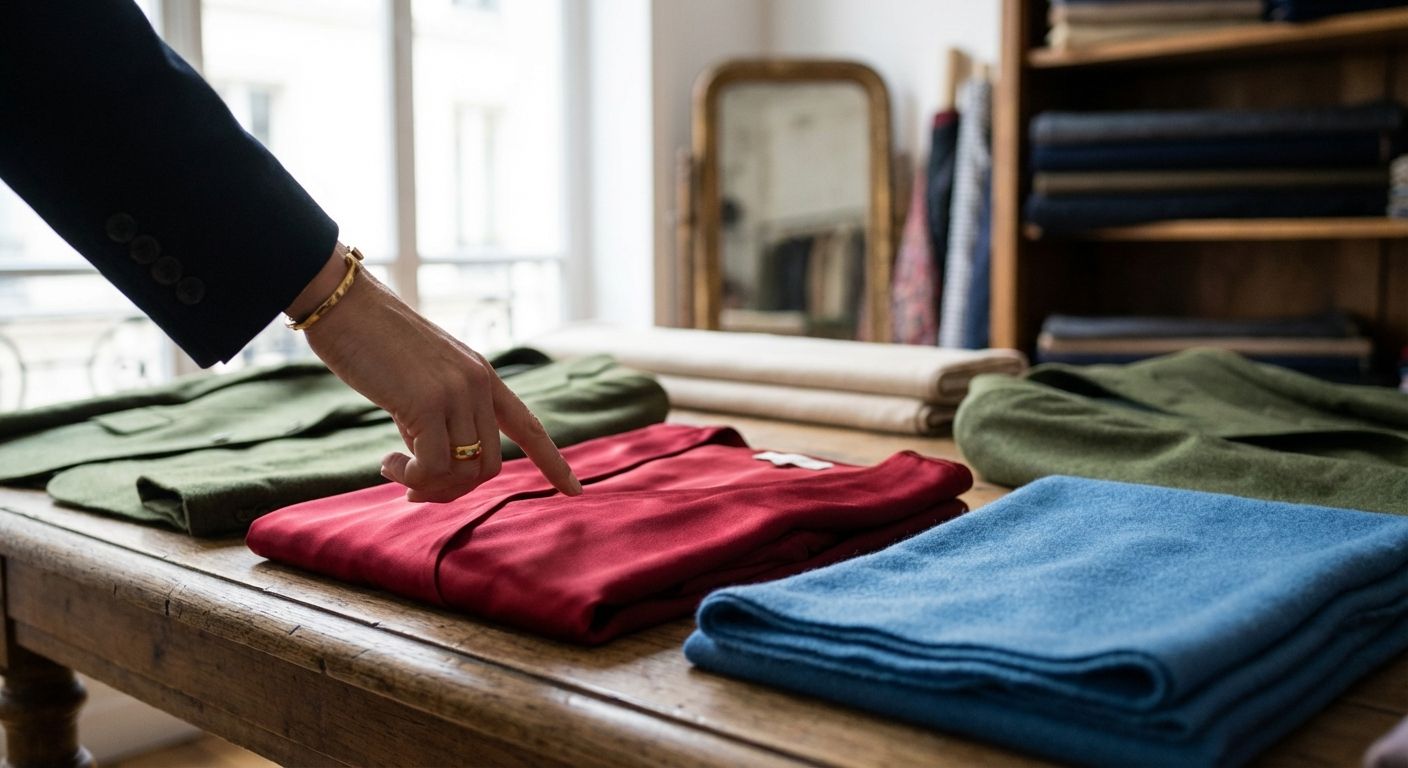
French Vocabulary: Shopping for Clothes
Learn essential French vocabulary for clothing, colours, and sizes. This deck will help you practice phrases for asking for assistance in a shop, trying on items, making comparisons, and completing a purchase.

French Vocabulary: Travel and Transport
Learn vocabulary for modes of transport (train, bus, plane) and practice essential phrases for asking for directions, buying tickets, and understanding travel information.

French Vocabulary: Holidays and Leisure
Learn vocabulary related to leisure activities, sports, and holidays. Practice talking about past holidays and future travel plans using the correct tenses.
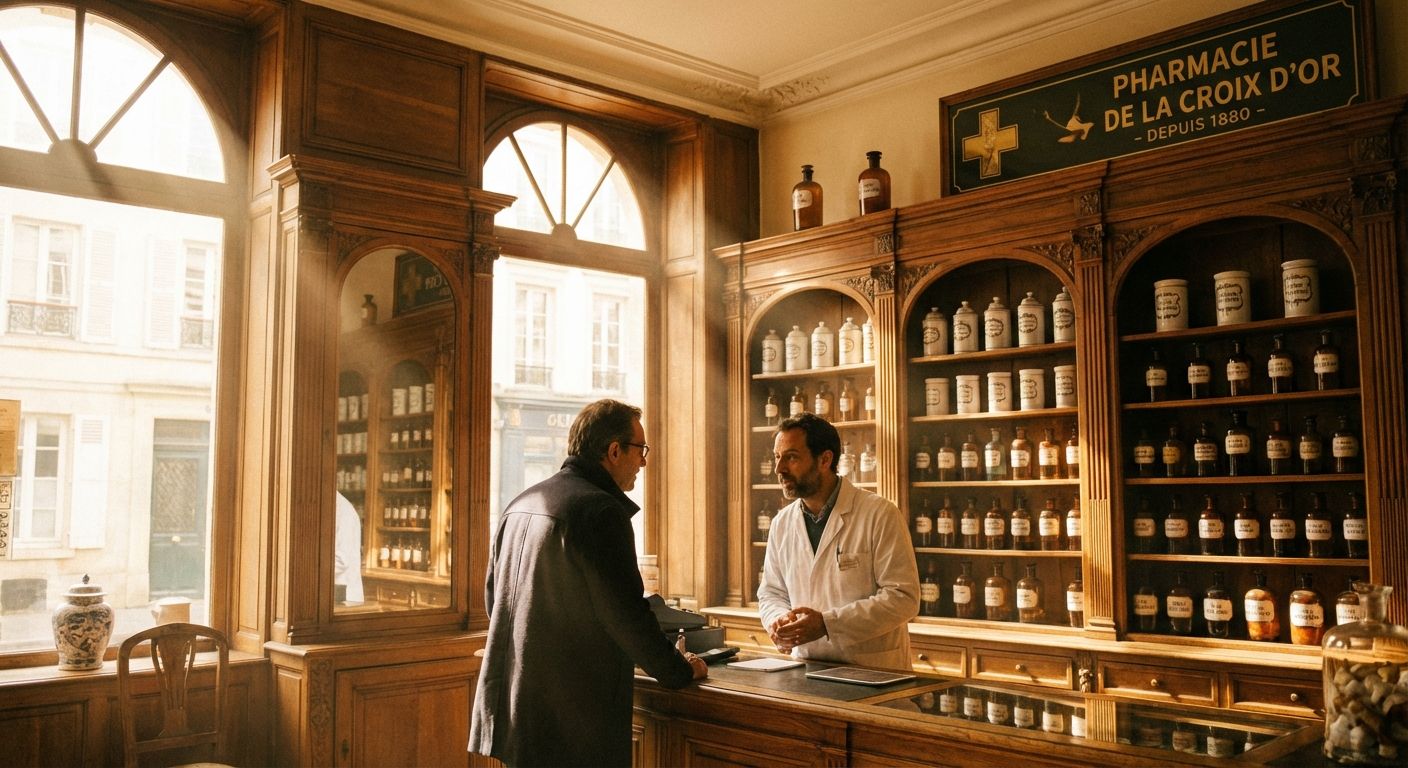
French Vocabulary: Health and the Body
Learn vocabulary for parts of the body and common health problems. Practice phrases for explaining symptoms to a doctor or pharmacist.

French Vocabulary: Describing People and Places
Build your vocabulary for describing physical appearance, personality traits, and the characteristics of places, using relative pronouns to add detail.

French Vocabulary: The Weather
Learn common French phrases and vocabulary to describe the weather, such as 'it's sunny', 'it's raining', and 'it's cold'.

Comprehensive A2 French Course Assessment
A comprehensive test covering all the key grammar and vocabulary topics from the A2 French course. This final deck will challenge you to apply everything you have learned from past tenses to future plans, pronouns, and thematic vocabulary.
Learn Comprehensive A2 French differently
Auracle is an audio-first learning platform built for busy people. Memorize anything without looking at a screen.
Hands-Free Learning
Listen, interact, and review cards entirely through audio. Perfect for commuting, walking, or at the gym.
Spaced Repetition
Auracle uses a scientific algorithm to schedule your reviews at the optimal time, ensuring you never forget what you learn.
Learn how it works