Tutorial

GCSE History: Economic and social changes, 1924–41

This deck covers the transformation of the Soviet economy and society under Stalin. It examines collectivisation, the Five-Year Plans, and the impact of these changes on daily life for ordinary Soviet citizens, including women and ethnic minorities.
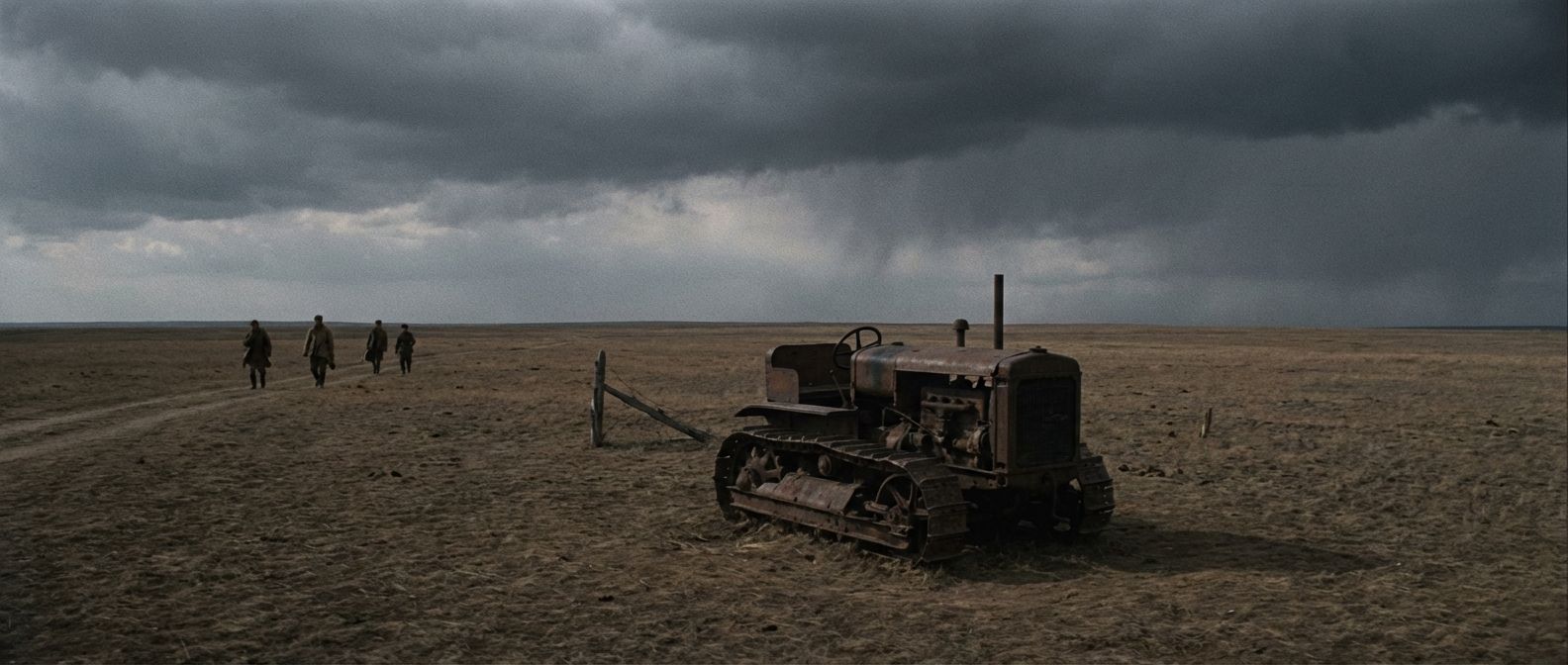
GCSE History: Economic and social changes, 1924–41

Management & Tools

Deck Contents

36 Cards
Lesson#1
In this deck, we'll explore the monumental economic and social changes that occurred in the Soviet Union under Joseph Stalin between 1924 and 1941. We will examine his two great policies: the collectivisation of agriculture and the rapid industrialisation of the Five-Year Plans. We'll also look at what life was really like for people living through this turbulent period.
Lesson#2
By the late 1920s, Stalin decided to abandon Lenin's New Economic Policy, or NEP. He believed it was holding back the Soviet Union's progress towards a truly communist state. The NEP allowed for too much private enterprise, especially in the countryside, and it wasn't producing enough grain to feed the growing cities or to export for cash. This decision to move to a command economy is often called 'The Great Turn'.
Quiz#3
What was the main problem with agriculture under the New Economic Policy that led Stalin to seek change?

low grain supplies

Lesson#4
Stalin had several reasons for forcing the peasants onto collective farms. Economically, he wanted to increase grain production by introducing modern machinery like tractors and combining small peasant plots into huge, efficient farms. Politically, he wanted to destroy the independent, land-owning peasant class and impose socialist control over the countryside. This would also allow the state to seize grain to feed industrial workers.
Quiz#5
What was Stalin's main political reason for introducing the collectivisation of agriculture?

to impose socialist control

Lesson#6
Collectivisation involved merging individual peasant farms into two main types of collective. The most common was the 'Kolkhoz', where land was owned and farmed collectively by the peasants. The other type was the 'Sovkhoz', which was a large farm owned and run directly by the state, with peasants working as paid employees. To provide machinery, the government set up Machine Tractor Stations, which also served as a means of state control.

Login to View Content

Create a free account or log in to see all 36 cards and start studying this deck.

Learn GCSE History: Economic and social changes, 1924–41 differently

Auracle is an audio-first learning platform built for busy people. Memorize anything without looking at a screen.

Hands-Free Learning

Listen, interact, and review cards entirely through audio. Perfect for commuting, walking, or at the gym.

Spaced Repetition

Auracle uses a scientific algorithm to schedule your reviews at the optimal time, ensuring you never forget what you learn.

Learn how it works

Ready to start the GCSE History: Economic and social changes, 1924–41 audio deck?