GCSE History: The Weimar Republic, 1918–29
This deck covers Key Topic 1 of the Edexcel specification. It includes the origins of the Weimar Republic after World War One, the strengths and weaknesses of its constitution, the early challenges it faced from 1919 to 1923 including the Treaty of Versailles and hyperinflation, its recovery during the 'Golden Years' from 1924 to 1929 under Stresemann, and the social and cultural changes of this period.
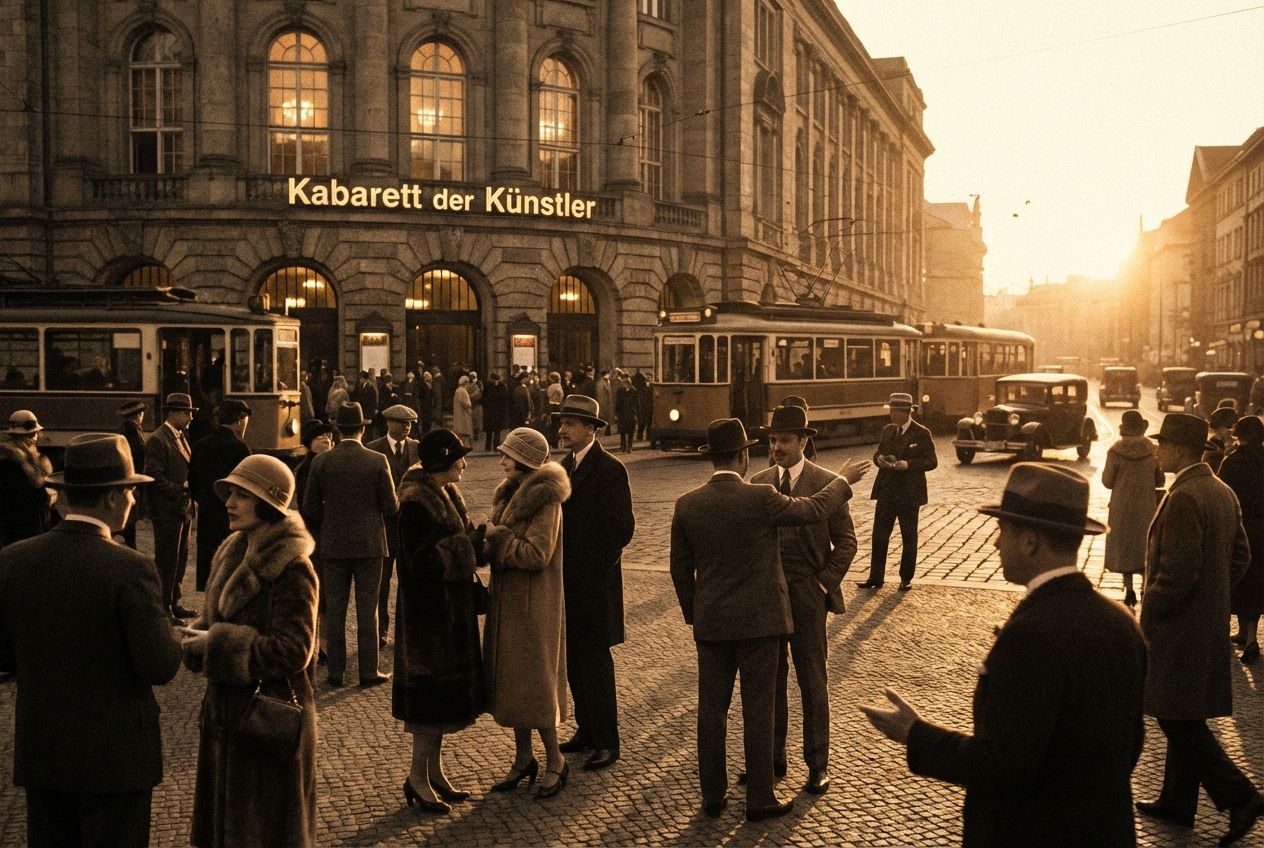
GCSE History: The Weimar Republic, 1918–29
This deck covers Key Topic 1 of the Edexcel specification. It includes the origins of the Weimar Republic after World War One, the strengths and weaknesses of its constitution, the early challenges it faced from 1919 to 1923 including the Treaty of Versailles and hyperinflation, its recovery during the 'Golden Years' from 1924 to 1929 under Stresemann, and the social and cultural changes of this period.
Management & Tools
Deck Contents
47 CardsKaiser Wilhelm the Second
Friedrich Ebert
November 11th
Login to View Content
Create a free account or log in to see all 47 cards and start studying this deck.
Learn GCSE History: The Weimar Republic, 1918–29 differently
Auracle is an audio-first learning platform built for busy people. Memorize anything without looking at a screen.
Hands-Free Learning
Listen, interact, and review cards entirely through audio. Perfect for commuting, walking, or at the gym.
Spaced Repetition
Auracle uses a scientific algorithm to schedule your reviews at the optimal time, ensuring you never forget what you learn.
Learn how it works