c1500–c1700: Crime and punishment in early modern England
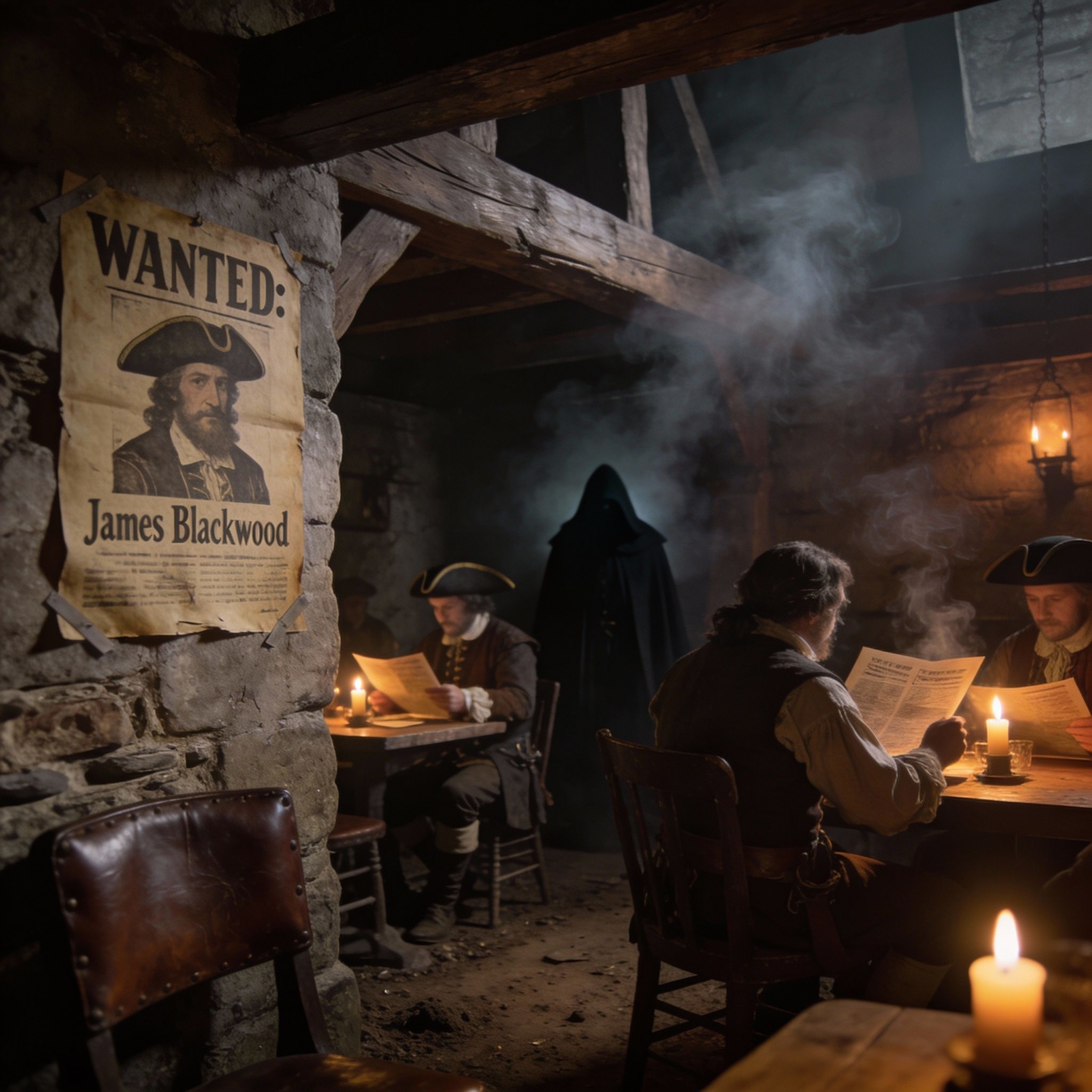
This deck examines crime and punishment in the turbulent early modern period. It covers continuity and change in crimes like heresy and treason, and the emergence of new crimes such as vagabondage and witchcraft. You will learn about the role of town watchmen in law enforcement and the evolution of punishment, including the continued use of corporal and capital punishment, the introduction of transportation, and the beginning of the Bloody Code. The deck features case studies on the Gunpowder Plot of 1605 and the witch-hunts led by Matthew Hopkins from 1645–47.
c1500–c1700: Crime and punishment in early modern England
This deck examines crime and punishment in the turbulent early modern period. It covers continuity and change in crimes like heresy and treason, and the emergence of new crimes such as vagabondage and witchcraft. You will learn about the role of town watchmen in law enforcement and the evolution of punishment, including the continued use of corporal and capital punishment, the introduction of transportation, and the beginning of the Bloody Code. The deck features case studies on the Gunpowder Plot of 1605 and the witch-hunts led by Matthew Hopkins from 1645–47.
Management & Tools
Deck Contents
49 Cardscrimes against person and property
the monarch
Login to View Content
Create a free account or log in to see all 49 cards and start studying this deck.
Learn c1500–c1700: Crime and punishment in early modern England differently
Auracle is an audio-first learning platform built for busy people. Memorize anything without looking at a screen.
Hands-Free Learning
Listen, interact, and review cards entirely through audio. Perfect for commuting, walking, or at the gym.
Spaced Repetition
Auracle uses a scientific algorithm to schedule your reviews at the optimal time, ensuring you never forget what you learn.
Learn how it works