Tutorial

Chemistry: Ionic Compounds

Master the structure of ionic compounds and giant ionic lattices for AQA GCSE Chemistry, including electrostatic attractions and interpreting lattice models.
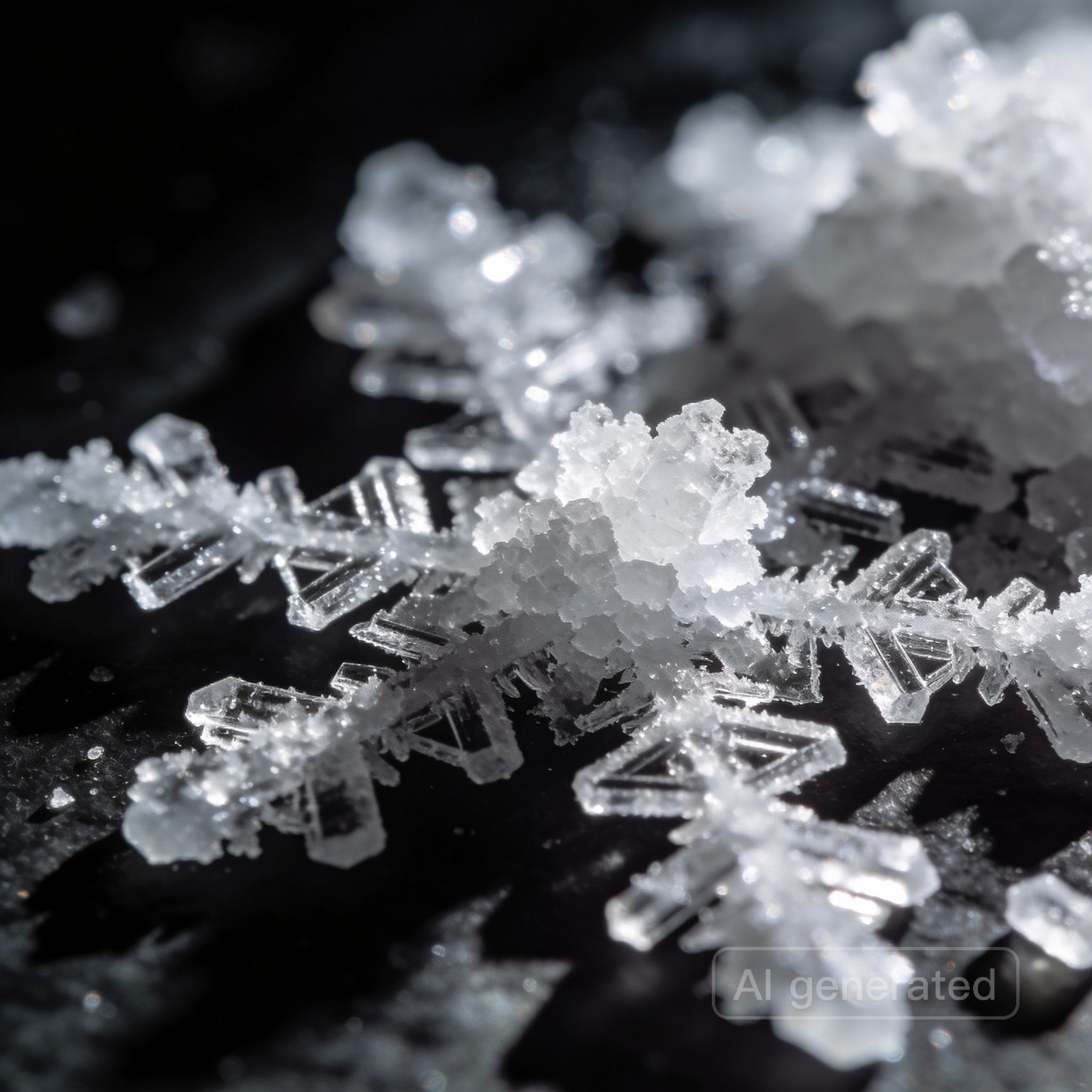
A macro photograph of salt crystals forming on a dark surface, illuminated with dramatic side lighting to emphasize the geometric lattice structure.

Management & Tools

Deck Contents

20 Cards
Lesson#1
In this deck, you will learn how ionic compounds are structured for GCSE Chemistry. We will explore how oppositely charged ions form giant lattices, how electrostatic forces act in all directions, and how to interpret different models of an ionic lattice.
Lesson#2
An ionic compound forms a regular, three-dimensional structure called a giant ionic lattice. In this lattice, positive and negative ions alternate throughout the structure. A standard example of a substance with a giant ionic lattice is sodium chloride.
Quiz#3
What regular, three-dimensional structure do ionic compounds form?

giant ionic lattice

Quiz#4
In a giant ionic lattice, what two types of ions alternate throughout the structure?

positive and negative

Quiz#5
In chemistry, what common substance is a standard example of a giant ionic lattice?

sodium chloride

Lesson#6
The ions in a giant ionic lattice are held together by strong electrostatic attractions between oppositely charged ions. In an ionic lattice, these electrostatic forces of attraction act in all directions throughout the entire structure.

Login to View Content

Create a free account or log in to see all 20 cards and start studying this deck.

Learn Chemistry: Ionic Compounds differently

Auracle is an audio-first learning platform built for busy people. Memorize anything without looking at a screen.

Hands-Free Learning

Listen, interact, and review cards entirely through audio. Perfect for commuting, walking, or at the gym.

Spaced Repetition

Auracle uses a scientific algorithm to schedule your reviews at the optimal time, ensuring you never forget what you learn.

Learn how it works

Ready to start the Chemistry: Ionic Compounds audio deck?