Tutorial
Food and Eating Habits
Learn essential Mandarin vocabulary for staple foods, Chinese dishes, and fruits, and practise expressing meal preferences using xǐhuan, xiǎng chī, and yào chī.
en-GB → zh-CN
Tutorial
Food and Eating Habits
Learn essential Mandarin vocabulary for staple foods, Chinese dishes, and fruits, and practise expressing meal preferences using xǐhuan, xiǎng chī, and yào chī.
Management & Tools
Deck Contents
42 CardsLesson#1
In this deck, you will learn how to talk about everyday food in Mandarin, from staple dishes to fresh fruit. You will also learn how to express what you like and dislike eating, so you can easily share your meal preferences.
Lesson#2
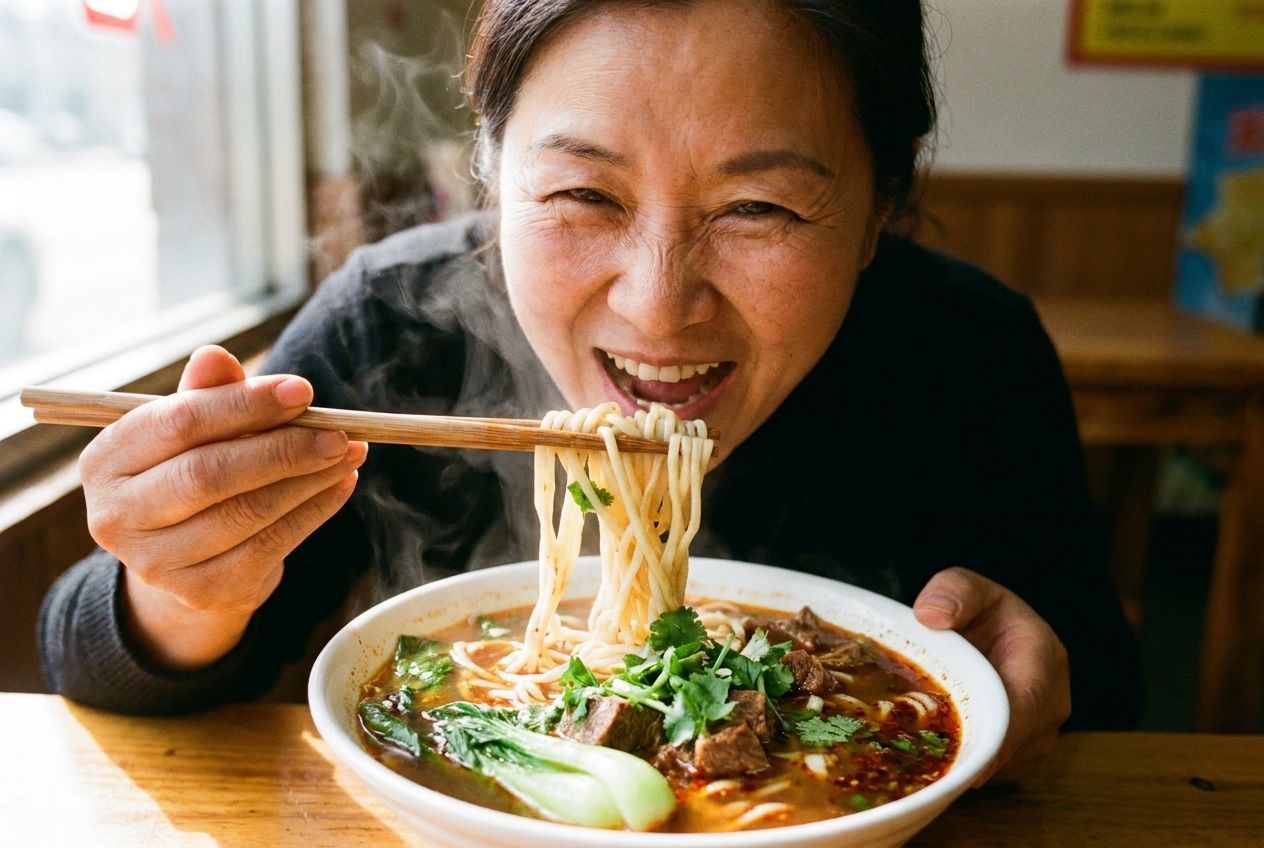
In China, two of the most popular staple foods are cooked rice and noodles. Cooked rice is mǐfàn, and noodles are miàntiáo. For example, chī mǐfàn means to eat rice, while chī miàntiáo means to eat noodles.
Quiz#3
How do you say 'cooked rice' in Mandarin?
米饭
Quiz#4
How do you say 'noodles' in Mandarin?
面条
Quiz#5
Translate into Mandarin: 'to eat noodles'.
吃面条
Lesson#6
Two other classic favourites are dumplings and steamed buns. Dumplings are called jiǎozi, and steamed stuffed buns are called bāozi.
Login to View Content
Create a free account or log in to see all 42 cards and start studying this deck.
Learn Food and Eating Habits differently
Auracle is an audio-first learning platform built for busy people. Memorize anything without looking at a screen.
Hands-Free Learning
Listen, interact, and review cards entirely through audio. Perfect for commuting, walking, or at the gym.
Spaced Repetition
Auracle uses a scientific algorithm to schedule your reviews at the optimal time, ensuring you never forget what you learn.
Learn how it works