Tutorial

GCSE History: The end of the Cold War, 1970–91

This deck covers the final two decades of the Cold War, from the period of détente in the 1970s to the collapse of the Soviet Union. It includes the SALT treaties, the Helsinki Accords, the Soviet invasion of Afghanistan, the 'Second Cold War' under Reagan, Gorbachev's reforms, the fall of the Berlin Wall, and the dissolution of the Warsaw Pact and the USSR.
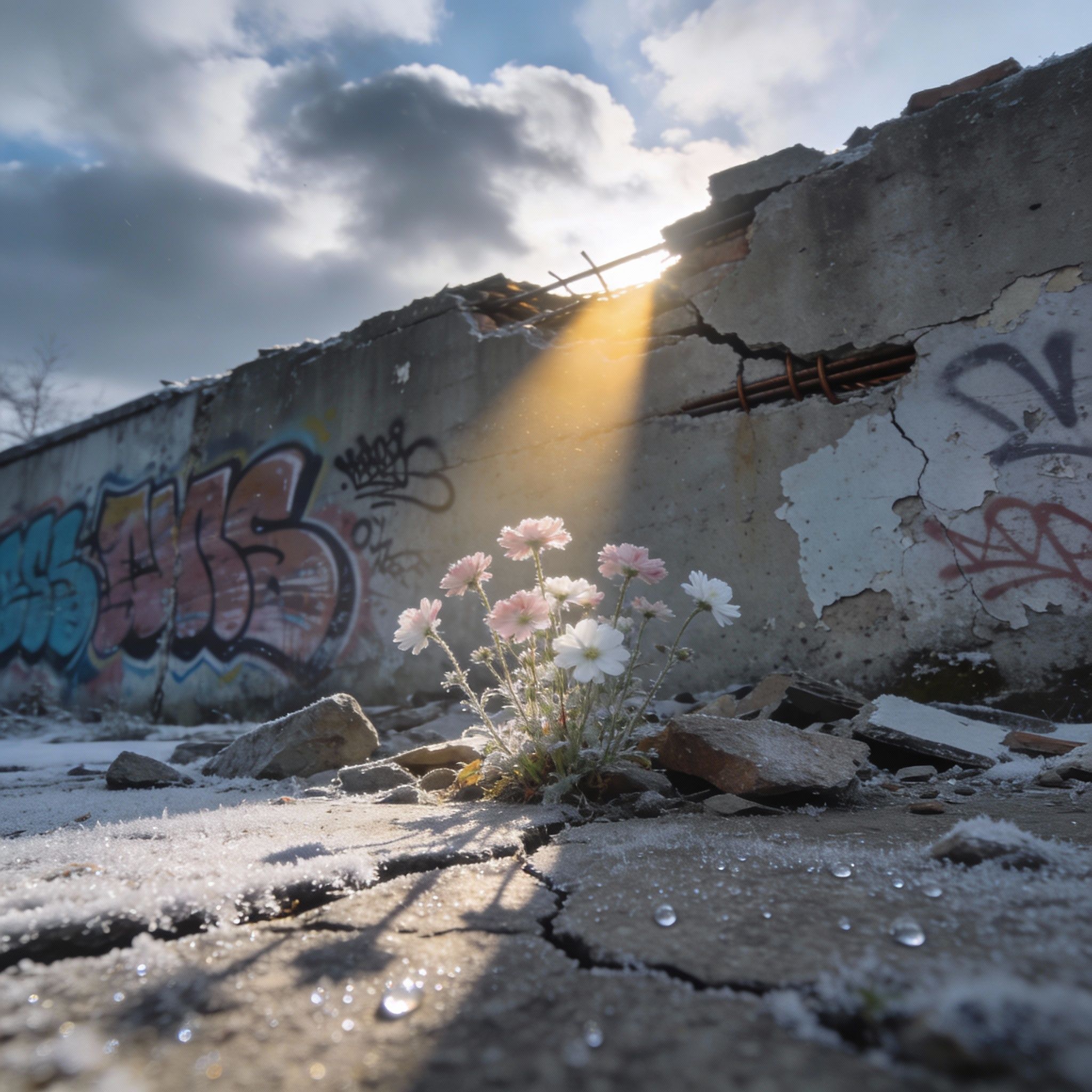
A half-demolished concrete wall, covered in graffiti, bathed in the cold light of a dawning winter day. A single ray of sunlight breaks through the clouds, illuminating a patch of wildflowers pushing through the rubble.

Management & Tools

Deck Contents

34 Cards
Lesson#1
Welcome to this deck on the end of the Cold War, covering the years 1970 to 1991. In this final chapter of the superpower struggle, you'll learn how the intense rivalry of the 1960s gave way to a period of cooperation, before tensions flared up again. We will explore the key events that led to the dramatic collapse of communism in Eastern Europe and the dissolution of the Soviet Union itself, bringing the Cold War to a surprising and sudden end.
Lesson#2
The early 1970s saw a new phase in superpower relations known as détente. This was a period of easing tensions between the USA and the Soviet Union. Both sides had reasons to pursue this policy. They were frightened by how close they had come to nuclear war during the Cuban Missile Crisis, and both were spending vast amounts of money on the arms race, which their economies could no longer sustain.
Quiz#3
What is the French term for the period of easing hostility between superpowers in the 1970s?

détente

Lesson#4
The most significant achievement of détente was the Strategic Arms Limitation Talks, or SALT. The first agreement, SALT 1, was signed in 1972 by US President Richard Nixon and Soviet leader Leonid Brezhnev. For your exam, it's important to know that this was the first agreement to place limits on the number of nuclear weapons each side could have. Specifically, it limited Anti-Ballistic Missiles and placed a temporary freeze on the number of Intercontinental Ballistic Missiles, or ICBMs.
Quiz#5
What does the acronym SALT stand for in the context of Cold War treaties?

Strategic Arms Limitation Talks

Quiz#6
What was the name of the first major arms limitation treaty signed by the US and USSR in 1972?

SALT 1

Login to View Content

Create a free account or log in to see all 34 cards and start studying this deck.

Learn GCSE History: The end of the Cold War, 1970–91 differently

Auracle is an audio-first learning platform built for busy people. Memorize anything without looking at a screen.

Hands-Free Learning

Listen, interact, and review cards entirely through audio. Perfect for commuting, walking, or at the gym.

Spaced Repetition

Auracle uses a scientific algorithm to schedule your reviews at the optimal time, ensuring you never forget what you learn.

Learn how it works

Ready to start the GCSE History: The end of the Cold War, 1970–91 audio deck?