Tutorial

Chemistry: Catalysts

Learn how catalysts increase reaction rates by lowering activation energy and providing alternative pathways in AQA GCSE Chemistry.
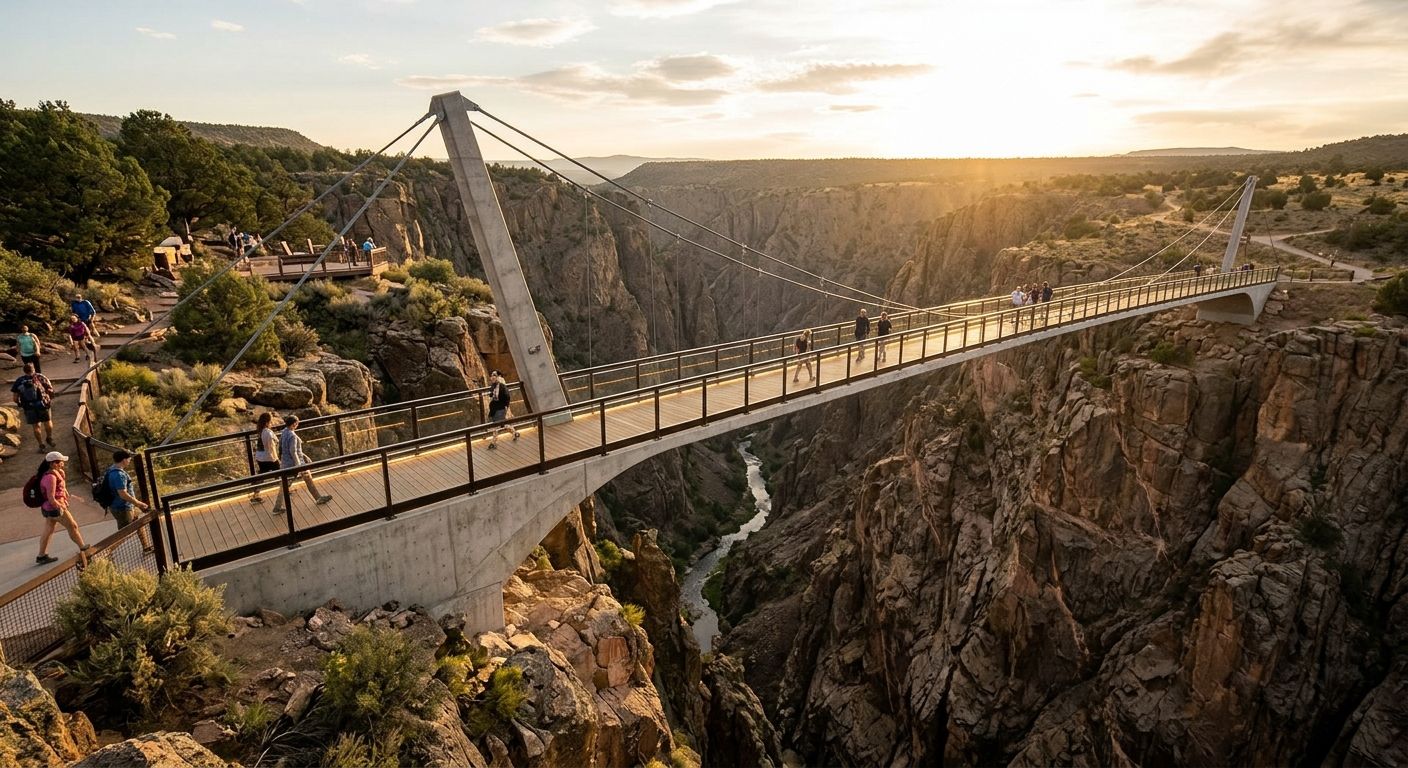
A sleek, modern pedestrian bridge elegantly spans a deep, rugged canyon, bathed in the warm, golden light of late afternoon. The smooth, inviting path across the bridge contrasts with the steep, rocky slopes below, visually representing an easier, faster journey across the landscape.

Management & Tools

Deck Contents

13 Cards
Lesson#1
In this deck, you will learn how catalysts work in chemical reactions. We will cover how they increase reaction rates without being used up, how they lower activation energy, and how enzymes act as biological catalysts.
Lesson#2
A catalyst changes how fast reactions occur. When added to a reaction, a catalyst increases the rate of reaction. During the reaction, it is not used up.
Quiz#3
How does a catalyst affect the speed of a chemical reaction?

increases the rate of reaction

Quiz#4
During a chemical reaction, what happens to the catalyst itself?

it is not used up

Lesson#5
To speed up a reaction, a catalyst changes the route that particles take to react. Specifically, a catalyst provides an alternative reaction pathway with a lower activation energy.
Quiz#6
To speed up a chemical reaction, what does a catalyst provide?

an alternative reaction pathway

Login to View Content

Create a free account or log in to see all 13 cards and start studying this deck.

Learn Chemistry: Catalysts differently

Auracle is an audio-first learning platform built for busy people. Memorize anything without looking at a screen.

Hands-Free Learning

Listen, interact, and review cards entirely through audio. Perfect for commuting, walking, or at the gym.

Spaced Repetition

Auracle uses a scientific algorithm to schedule your reviews at the optimal time, ensuring you never forget what you learn.

Learn how it works

Ready to start the Chemistry: Catalysts audio deck?