GCSE History: c1900–present: Medicine in modern Britain
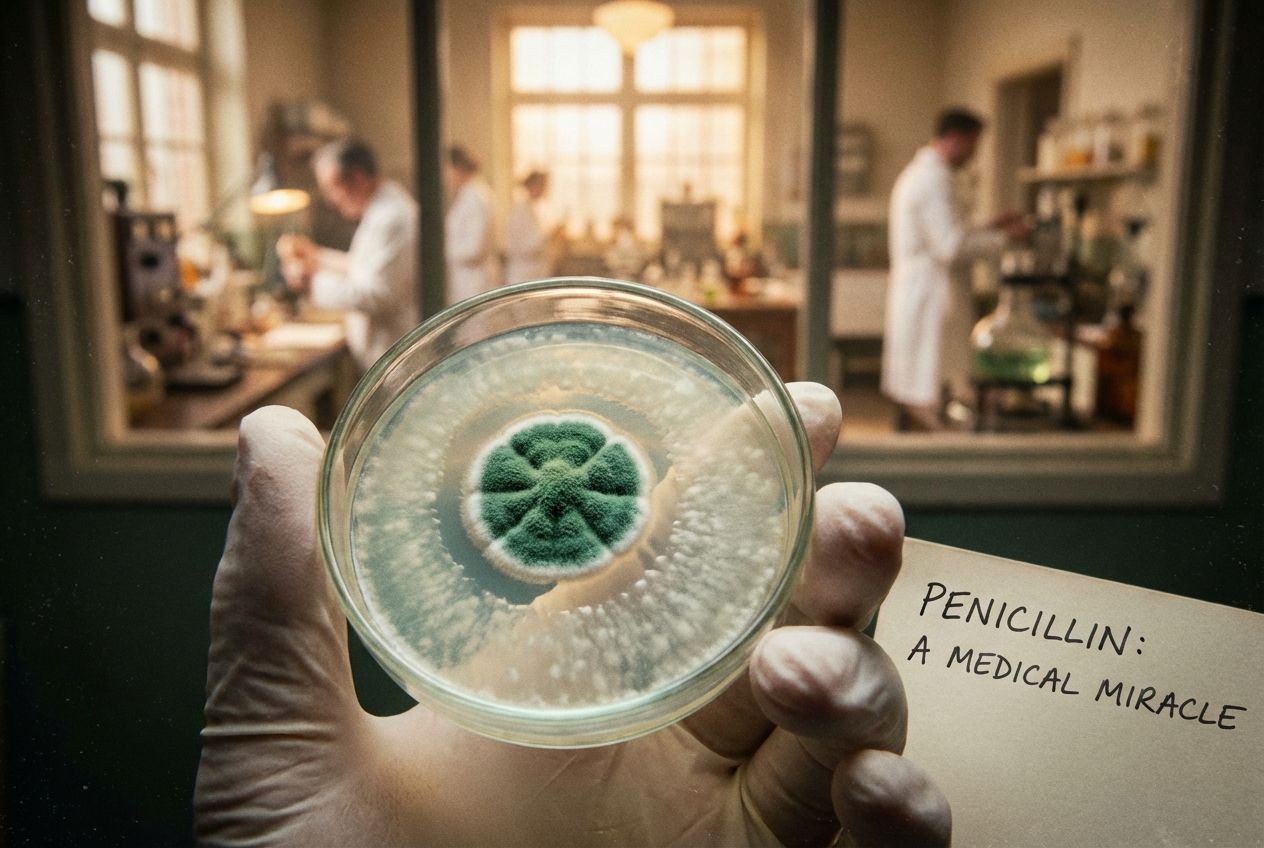
This deck covers medicine from 1900 to the present day. It explores modern understandings of disease, including genetic and lifestyle factors, and improvements in diagnosis through technology like scans and blood tests. It examines the impact of the NHS, advances in medicines like magic bullets and antibiotics, and new prevention methods like mass vaccination and government campaigns. Case studies cover the development of penicillin by Fleming, Florey, and Chain, and the 21st-century fight against lung cancer.
GCSE History: c1900–present: Medicine in modern Britain
This deck covers medicine from 1900 to the present day. It explores modern understandings of disease, including genetic and lifestyle factors, and improvements in diagnosis through technology like scans and blood tests. It examines the impact of the NHS, advances in medicines like magic bullets and antibiotics, and new prevention methods like mass vaccination and government campaigns. Case studies cover the development of penicillin by Fleming, Florey, and Chain, and the 21st-century fight against lung cancer.
Management & Tools
Deck Contents
36 CardsDNA structure
Deoxyribonucleic acid
The Human Genome Project
Lifestyle factors
Login to View Content
Create a free account or log in to see all 36 cards and start studying this deck.
Learn GCSE History: c1900–present: Medicine in modern Britain differently
Auracle is an audio-first learning platform built for busy people. Memorize anything without looking at a screen.
Hands-Free Learning
Listen, interact, and review cards entirely through audio. Perfect for commuting, walking, or at the gym.
Spaced Repetition
Auracle uses a scientific algorithm to schedule your reviews at the optimal time, ensuring you never forget what you learn.
Learn how it works