Chemistry: Diamond
Master the structure and bonding of diamond for AQA GCSE Chemistry, explaining why its rigid giant covalent structure causes extreme hardness, a high melting point, and electrical insulation.
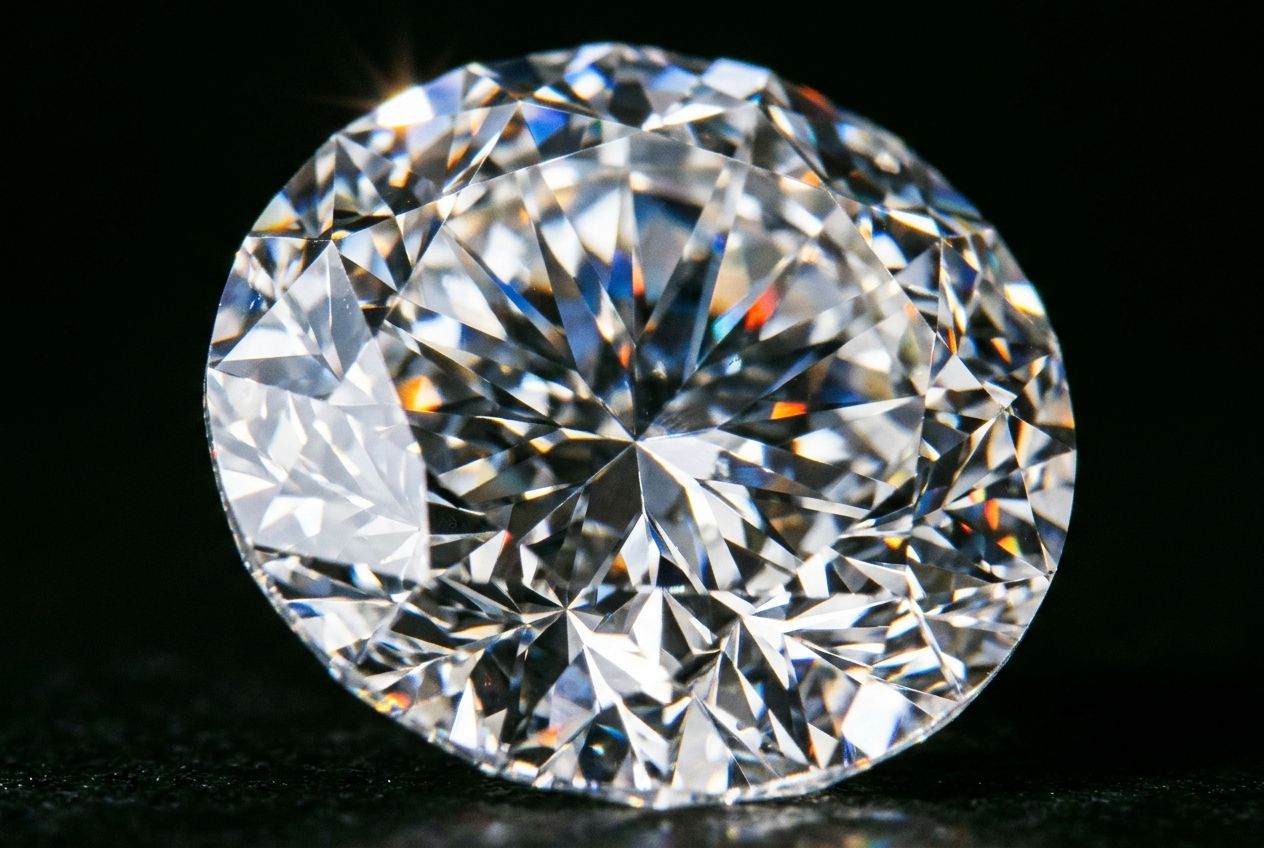
Chemistry: Diamond
Master the structure and bonding of diamond for AQA GCSE Chemistry, explaining why its rigid giant covalent structure causes extreme hardness, a high melting point, and electrical insulation.
Management & Tools
Deck Contents
12 Cardscarbon
four
covalent bonds
Login to View Content
Create a free account or log in to see all 12 cards and start studying this deck.
Learn Chemistry: Diamond differently
Auracle is an audio-first learning platform built for busy people. Memorize anything without looking at a screen.
Hands-Free Learning
Listen, interact, and review cards entirely through audio. Perfect for commuting, walking, or at the gym.
Spaced Repetition
Auracle uses a scientific algorithm to schedule your reviews at the optimal time, ensuring you never forget what you learn.
Learn how it works