Tutorial

GCSE History: The American West - Later developments in the West, c1876–c1895

This deck covers the final period of the American West, c1876–c1895. It examines the end of the open range, famous conflicts over law and order, the final major battles of the Indian Wars, and the policies that destroyed the Plains Indians' way of life.
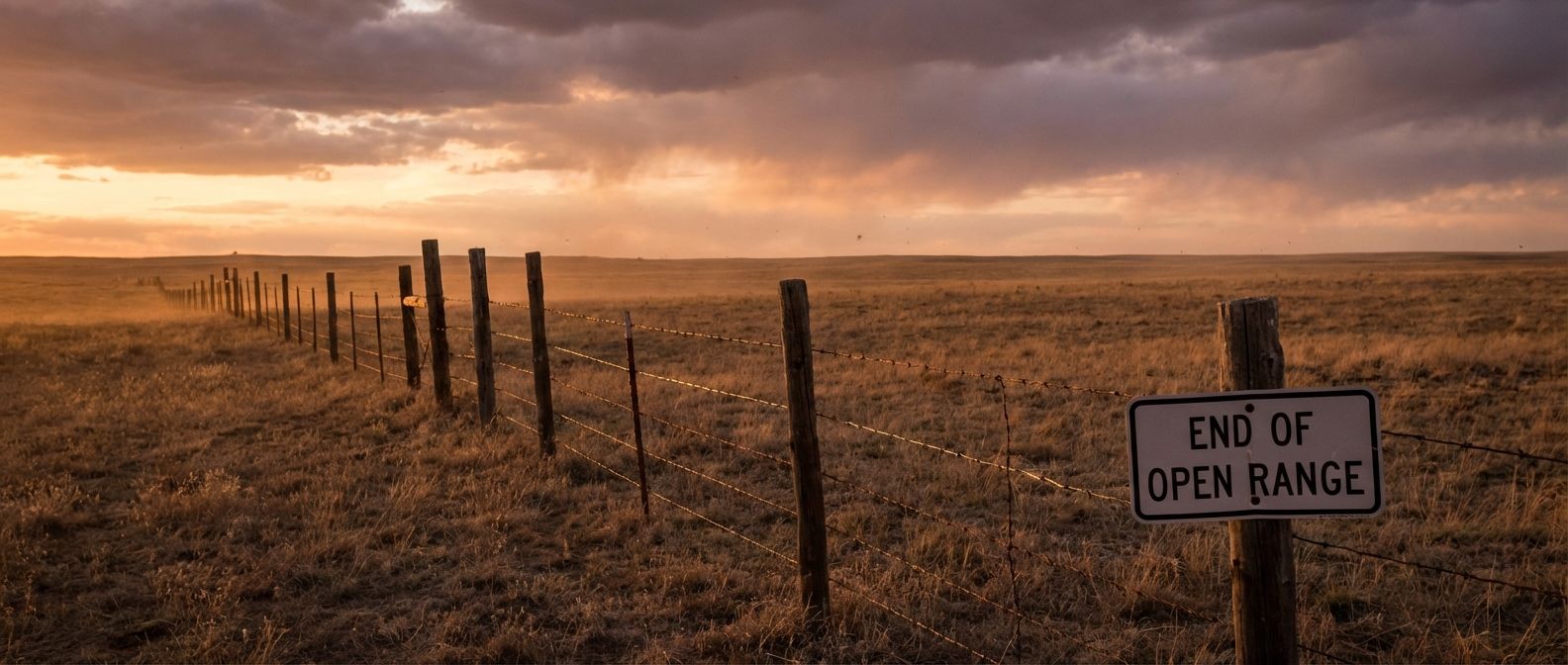
A dramatic wide-angle photograph of a weathered barbed wire fence stretching across a vast, dusty prairie under a brooding, golden hour sky. The sharp, glinting wire cuts through the raw landscape, symbolizing the division of the open range and the end of the American frontier.

Management & Tools

Deck Contents

35 Cards
Lesson#1
In this final deck on the American West, we'll cover the period from 1876 to 1895. This is the era where the frontier is finally closed. We'll explore the end of the open range cattle industry, famous gunfights like the one at the OK Corral, and the last tragic conflicts between the US Army and the Plains Indians, such as the Battle of the Little Big Horn and the Wounded Knee Massacre. Finally, we'll look at the policies that aimed to destroy the traditional way of life for the Plains Indians for good.
Lesson#2
As more people settled on the Plains, farming had to adapt to the harsh environment. Two key inventions were crucial. The first was the steel windmill, which could pump water from deep underground. The second, and perhaps more important, was barbed wire, invented in 1874. On the vast, treeless Plains, barbed wire was a cheap and effective way to fence off land, protect crops from cattle, and mark property boundaries. This invention was a direct challenge to the open range.
Quiz#3
What invention from 1874 allowed homesteaders to cheaply fence their land on the treeless Plains?

barbed wire

Quiz#4
What new technology was used on the Plains to pump water from deep underground for farming?

steel windmills

Lesson#5
The open range cattle industry, with its long cattle drives and vast unfenced areas, was brought to a dramatic end by a single event. The winter of 1886 to 1887 was incredibly harsh, with deep snow and freezing temperatures. Cattle could not reach the grass to graze and millions died. This event is known as the 'Great Die-Up'. For your exam, this is the key turning point that ended the open range. After this, ranching changed to a smaller-scale system with smaller herds, fenced-in ranches, and hay grown for winter feed.
Quiz#6
What name is given to the harsh winter of 1886 to 1887 that killed millions of cattle and helped end the open range?

The Great Die-Up

Login to View Content

Create a free account or log in to see all 35 cards and start studying this deck.

Learn GCSE History: The American West - Later developments in the West, c1876–c1895 differently

Auracle is an audio-first learning platform built for busy people. Memorize anything without looking at a screen.

Hands-Free Learning

Listen, interact, and review cards entirely through audio. Perfect for commuting, walking, or at the gym.

Spaced Repetition

Auracle uses a scientific algorithm to schedule your reviews at the optimal time, ensuring you never forget what you learn.

Learn how it works

Ready to start the GCSE History: The American West - Later developments in the West, c1876–c1895 audio deck?