Tutorial

Giant covalent structures

Learn to describe giant covalent structures, explain their high melting points, and identify examples like diamond, graphite, and silicon dioxide.
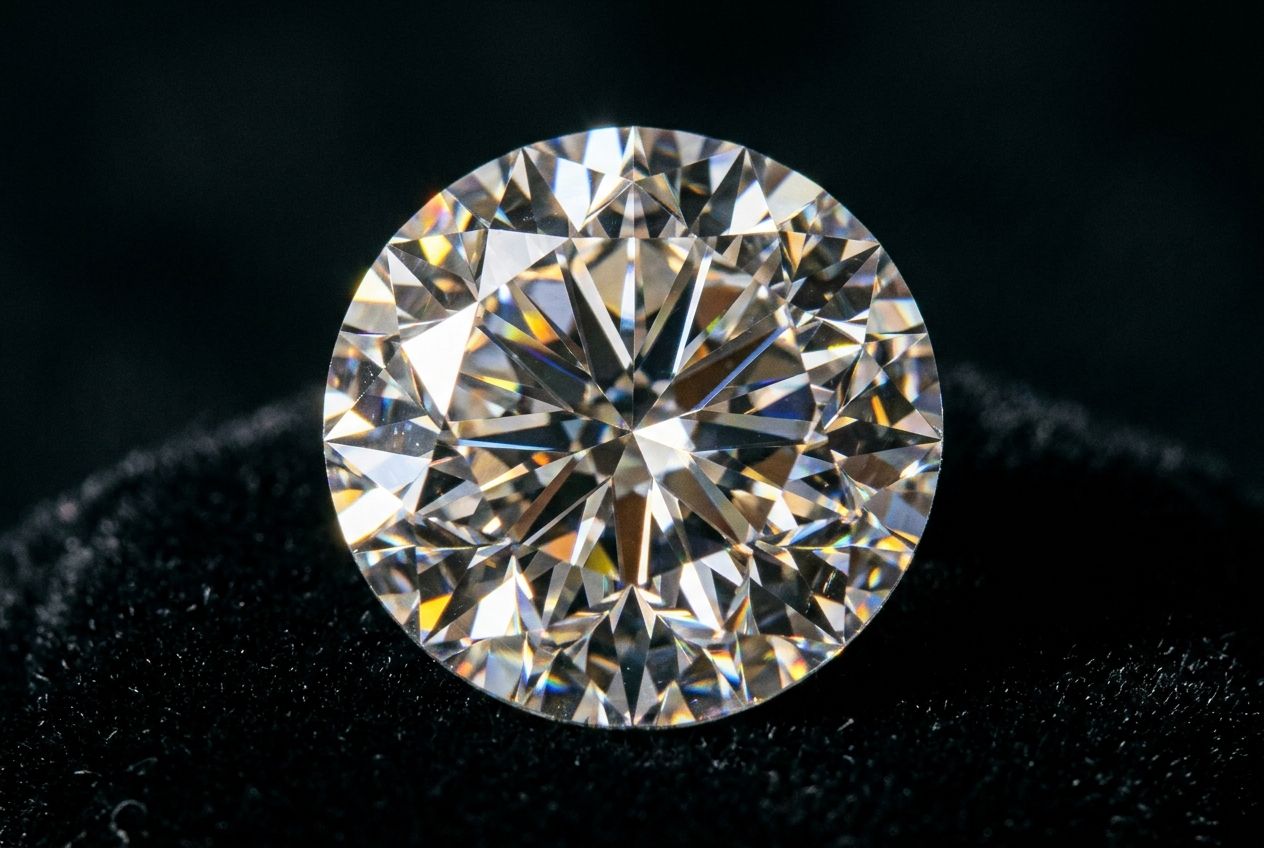
An extreme close-up photograph of a brilliant, perfectly cut diamond, its sharp facets catching crisp side light to reveal internal crystalline patterns and intense sparkle. The diamond fills the 3:2 landscape frame, emphasizing its intricate structure against a dark, dramatic background.

Management & Tools

Deck Contents

17 Cards
Lesson#1
In this deck, you will learn about giant covalent structures and why they have such high melting points. We will explore how their atoms are bonded, look at the three key examples for your exam, and see how to recognise them in diagrams.
Lesson#2
Giant covalent structures contain large networks of atoms. In these substances, the atoms are joined together by strong covalent bonds.
Quiz#3
In chemistry, what do giant covalent structures contain that are joined together by covalent bonds?

large networks of atoms

Quiz#4
What type of chemical bonds join the atoms in a giant covalent structure?

strong covalent bonds

Lesson#5
Giant covalent substances have very high melting points. They have very high melting points because many strong covalent bonds must be overcome.
Quiz#6
What kind of melting points do giant covalent substances have?

very high

Login to View Content

Create a free account or log in to see all 17 cards and start studying this deck.

Learn Giant covalent structures differently

Auracle is an audio-first learning platform built for busy people. Memorize anything without looking at a screen.

Hands-Free Learning

Listen, interact, and review cards entirely through audio. Perfect for commuting, walking, or at the gym.

Spaced Repetition

Auracle uses a scientific algorithm to schedule your reviews at the optimal time, ensuring you never forget what you learn.

Learn how it works

Ready to start the Giant covalent structures audio deck?