Tutorial

GCSE History: The origins of the Cold War, 1941–58

This deck covers the breakdown of the Grand Alliance after World War Two and the initial development of the Cold War. It includes the key post-war conferences, ideological clashes, the impact of the atomic bomb, the division of Europe, the Truman Doctrine, the Marshall Plan, the Berlin Blockade and Airlift, the formation of NATO and the Warsaw Pact, and the Hungarian Uprising of 1956.
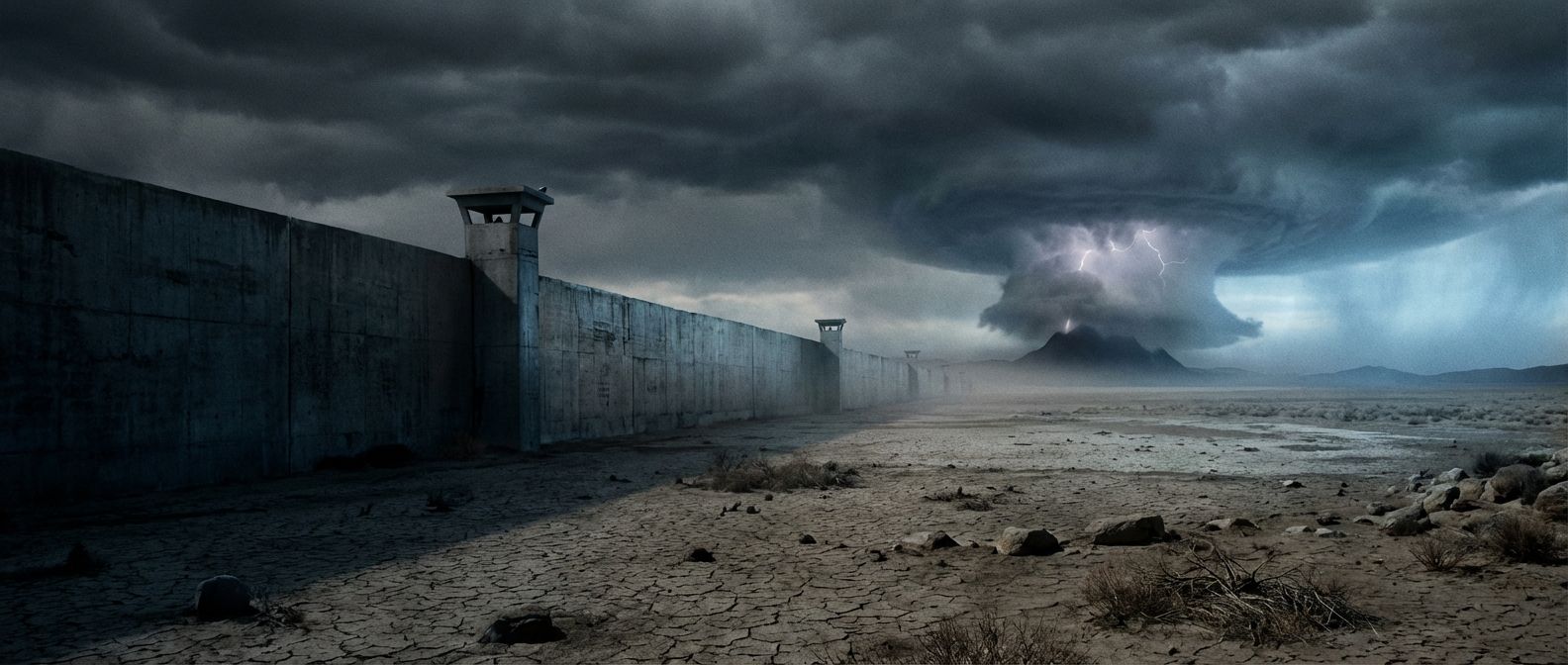
A wide, stark landscape under a dramatic, foreboding sky, dramatically bisected by a towering, imposing concrete barrier that stretches into the distant horizon. The cold, desolate ground emphasizes the deep division, with a subtle contrast in lighting on either side of the barrier. In the far distance, an ominous cloud formation hints at immense, contained power.

Management & Tools

Deck Contents

57 Cards
Lesson#1
Welcome to this deck on the origins of the Cold War. We'll explore how the United States and the Soviet Union went from being allies in World War Two to bitter rivals in a global standoff. Understanding this period, from 1941 to 1958, is crucial for your GCSE exam. We'll cover the key events, from post-war conferences to the Berlin Blockade and the Hungarian Uprising, and focus on the facts and consequences you need to build top-grade answers.
Lesson#2
During the Second World War, the USA, the Soviet Union, and Great Britain formed an alliance. It was called the Grand Alliance, but it was an alliance of convenience, not friendship. They had one thing in common: a powerful enemy, Nazi Germany. Ideologically, they were worlds apart. The USA and Britain were capitalist democracies, while the Soviet Union was a communist one-party state. Once their common enemy was defeated, these deep-seated differences quickly came to the surface.
Quiz#3
Who were the three main powers in the Grand Alliance during World War Two?

USA, USSR, and UK

Lesson#4
The leaders of the Grand Alliance, Roosevelt, Stalin, and Churchill, met for the first time in Tehran, Iran, in 1943. The main outcome was an agreement that the USA and Britain would open a 'second front' in Western Europe to relieve pressure on the Soviet Union, who were doing the bulk of the fighting against Germany on the Eastern Front. This decision led to the D-Day landings in 1944. They also agreed in principle to set up an international body to settle disputes after the war, which would later become the United Nations.
Quiz#5
At the Tehran Conference in 1943, what did the USA and Britain agree to open in Western Europe?

a second front

Lesson#6
The 'Big Three' met again in February 1945 at Yalta, in the Soviet Union. With Germany close to defeat, the mood was still relatively optimistic. They confirmed that Germany would be divided into four zones of occupation after the war, as would the city of Berlin. Stalin also agreed to allow free elections in the countries of Eastern Europe that his Red Army was liberating from the Nazis. For your exam, this promise of 'free elections' is a key point of tension, as the West and the Soviets had very different ideas about what that meant.

Login to View Content

Create a free account or log in to see all 57 cards and start studying this deck.

Learn GCSE History: The origins of the Cold War, 1941–58 differently

Auracle is an audio-first learning platform built for busy people. Memorize anything without looking at a screen.

Hands-Free Learning

Listen, interact, and review cards entirely through audio. Perfect for commuting, walking, or at the gym.

Spaced Repetition

Auracle uses a scientific algorithm to schedule your reviews at the optimal time, ensuring you never forget what you learn.

Learn how it works

Ready to start the GCSE History: The origins of the Cold War, 1941–58 audio deck?