Tutorial
Whitechapel, c1870–c1900: crime, policing and the inner city
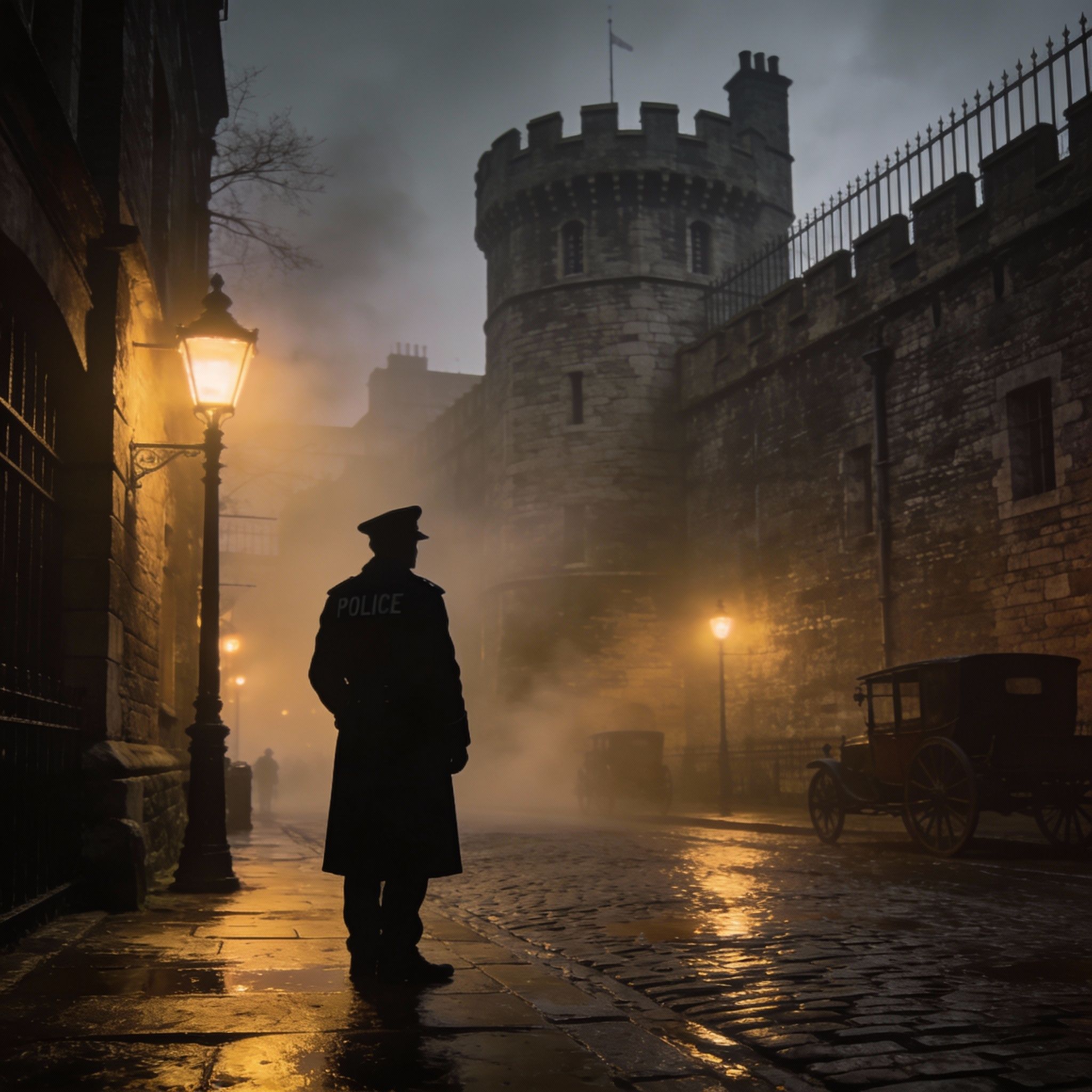
This deck provides an in-depth study of the historic environment of Whitechapel. It covers the local context, policing challenges, and the Jack the Ripper case, as well as the skills of using historical sources for an enquiry into this topic.
Tutorial
Whitechapel, c1870–c1900: crime, policing and the inner city
This deck provides an in-depth study of the historic environment of Whitechapel. It covers the local context, policing challenges, and the Jack the Ripper case, as well as the skills of using historical sources for an enquiry into this topic.
Management & Tools
Deck Contents
39 CardsLesson#1
Welcome to this deck on Whitechapel in the late Victorian era. Between 1870 and 1900, this small area of East London was one of the most notorious places in the British Empire. It was a place of extreme poverty, overcrowding, and crime. We will explore what life was like for the people who lived there, the challenges faced by the police, and the infamous case of Jack the Ripper that made Whitechapel famous around the world.
Lesson#2
The living conditions in Whitechapel were desperate. Many people were crammed into slum housing in areas known as 'rookeries'. These were mazes of narrow, dark alleyways and courtyards, with houses that were poorly built and lacked basic sanitation like clean water or proper sewers. Disease spread rapidly in these conditions, making life dangerous even before you consider crime.
Quiz#3
What name was given to the overcrowded and maze-like slum areas in 19th-century Whitechapel?
Rookeries
Lesson#4
There were some attempts to improve housing. One of the most famous was the Peabody Estate, opened in 1881. Funded by an American philanthropist, George Peabody, it offered clean, secure flats with fresh air and shared laundry facilities. However, the rents were too high for the poorest residents of Whitechapel, who were often forced back into the rookeries. For your exam, the Peabody Estate is a good example of an attempt at social reform, but one with limited success.
Quiz#5
What was the name of the charitable housing block built to offer better living conditions in Whitechapel?
The Peabody Estate
Lesson#6
Poverty was the root of many of Whitechapel's problems. Many jobs were insecure, such as working in the London docks. This was known as casual labour, where you might only get a day's work at a time. Many others, especially women and children, worked in so-called 'sweatshops'. These were small, cramped workshops, often in people's homes, where they worked long hours for very low pay in industries like tailoring and shoemaking.
Login to View Content
Create a free account or log in to see all 39 cards and start studying this deck.
Learn Whitechapel, c1870–c1900: crime, policing and the inner city differently
Auracle is an audio-first learning platform built for busy people. Memorize anything without looking at a screen.
Hands-Free Learning
Listen, interact, and review cards entirely through audio. Perfect for commuting, walking, or at the gym.
Spaced Repetition
Auracle uses a scientific algorithm to schedule your reviews at the optimal time, ensuring you never forget what you learn.
Learn how it works