c1700–c1900: Crime and punishment in eighteenth- and nineteenth-century Britain
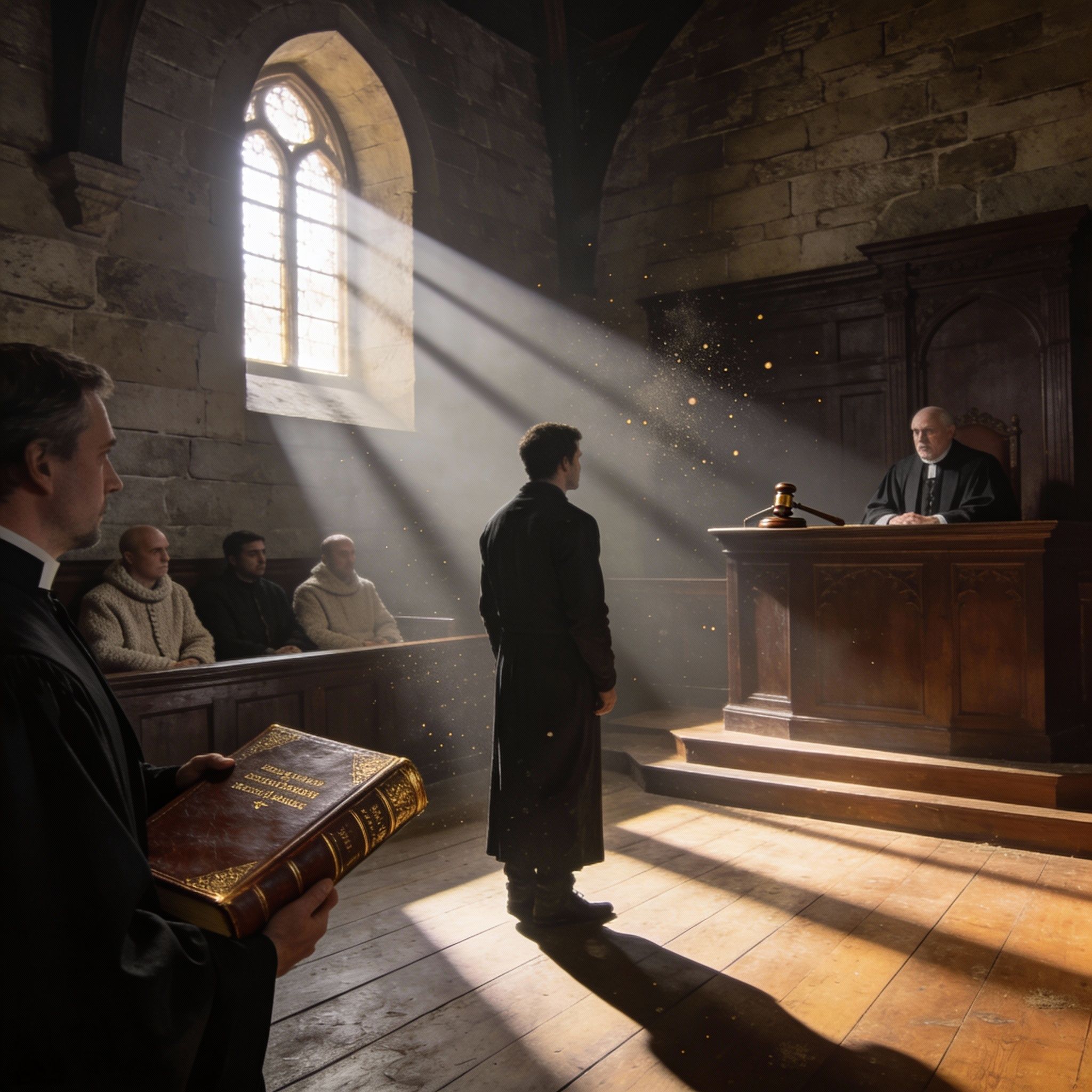
This deck explores the significant changes in crime and punishment during the Industrial Revolution. It covers crimes like highway robbery, poaching, and smuggling, and changing attitudes exemplified by the end of witchcraft prosecutions and the case of the Tolpuddle Martyrs. You will learn about developments in law enforcement, including the work of the Fielding brothers and the creation of professional police forces and the CID. The deck also examines changing views on punishment, the end of the Bloody Code, transportation, and public execution, and the influence of prison reformers John Howard and Elizabeth Fry. Case studies focus on Pentonville prison's separate system and the pivotal role of Robert Peel.
c1700–c1900: Crime and punishment in eighteenth- and nineteenth-century Britain
This deck explores the significant changes in crime and punishment during the Industrial Revolution. It covers crimes like highway robbery, poaching, and smuggling, and changing attitudes exemplified by the end of witchcraft prosecutions and the case of the Tolpuddle Martyrs. You will learn about developments in law enforcement, including the work of the Fielding brothers and the creation of professional police forces and the CID. The deck also examines changing views on punishment, the end of the Bloody Code, transportation, and public execution, and the influence of prison reformers John Howard and Elizabeth Fry. Case studies focus on Pentonville prison's separate system and the pivotal role of Robert Peel.
Management & Tools
Deck Contents
43 Cardshighway robbery
more travel and trade
smuggling
poaching
Login to View Content
Create a free account or log in to see all 43 cards and start studying this deck.
Learn c1700–c1900: Crime and punishment in eighteenth- and nineteenth-century Britain differently
Auracle is an audio-first learning platform built for busy people. Memorize anything without looking at a screen.
Hands-Free Learning
Listen, interact, and review cards entirely through audio. Perfect for commuting, walking, or at the gym.
Spaced Repetition
Auracle uses a scientific algorithm to schedule your reviews at the optimal time, ensuring you never forget what you learn.
Learn how it works