Tutorial
Biology: Microscopy
Learn to compare light and electron microscopes and use the magnification equation for GCSE Biology.
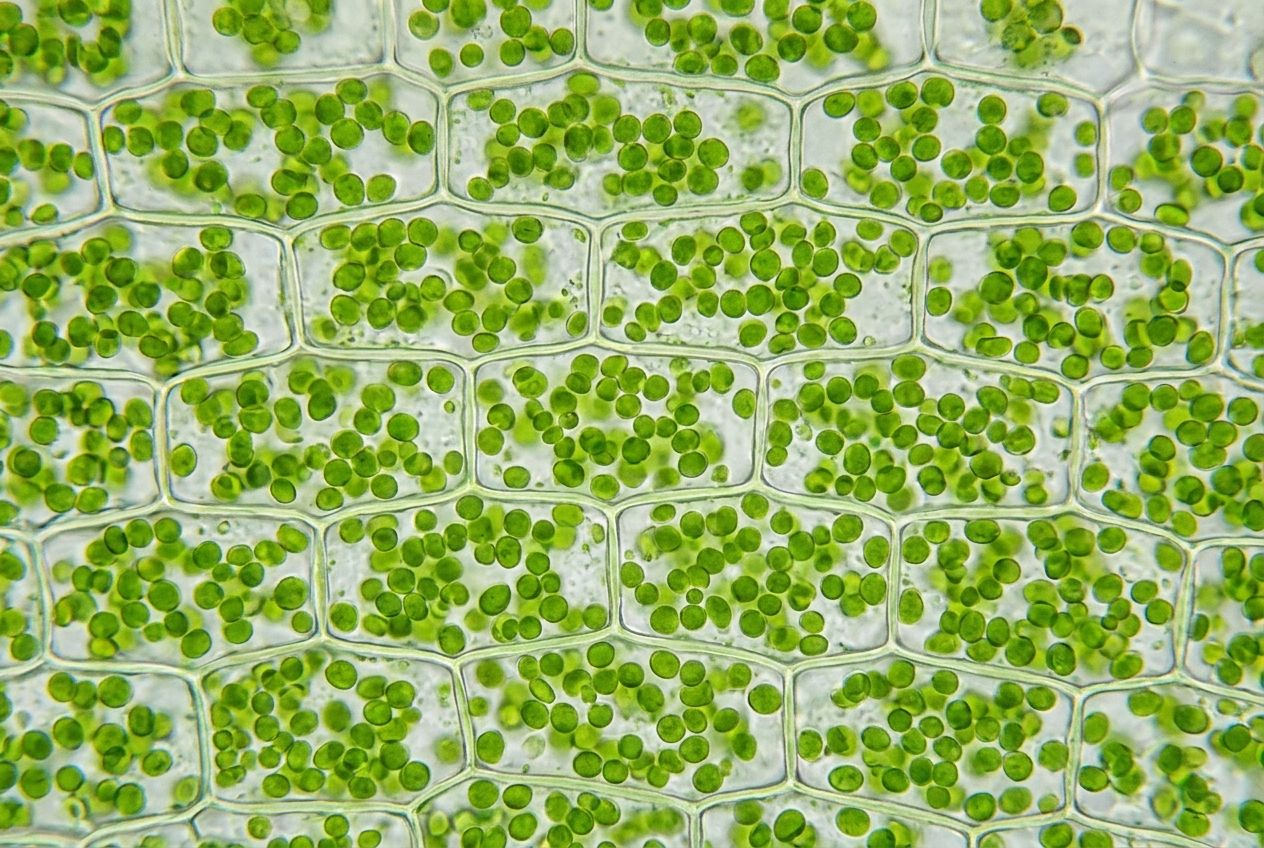
Tutorial
Biology: Microscopy
Learn to compare light and electron microscopes and use the magnification equation for GCSE Biology.
Management & Tools
Deck Contents
20 CardsLesson#1
In this deck, you will learn how light and electron microscopes work and compare their magnification and resolution. You will also learn the magnification formula and how to rearrange it for exam questions.
Lesson#2
Light microscopes use light to produce magnified images of specimens. Magnification is the number of times larger an image is than the actual object.
Quiz#3
In microscopy, what do light microscopes use to produce magnified images of specimens?
light
Quiz#4
In microscopy, what term describes the number of times larger an image is than the actual object?
magnification
Lesson#5
Resolution, or resolving power, is the ability to distinguish two close points as separate. Compared with light microscopes, electron microscopes have much higher resolving power.
Quiz#6
In microscopy, what term describes the ability to distinguish two close points as separate?
resolution
Login to View Content
Create a free account or log in to see all 20 cards and start studying this deck.
Learn Biology: Microscopy differently
Auracle is an audio-first learning platform built for busy people. Memorize anything without looking at a screen.
Hands-Free Learning
Listen, interact, and review cards entirely through audio. Perfect for commuting, walking, or at the gym.
Spaced Repetition
Auracle uses a scientific algorithm to schedule your reviews at the optimal time, ensuring you never forget what you learn.
Learn how it works