AQA GCSE Chemistry 8462 Paper 1
Get exam-ready for AQA GCSE Chemistry 8462 Paper 1! 🧪 Master Atomic Structure, Bonding, Chemical Changes and Energy Changes with Auracle.
AQA GCSE Chemistry 8462 Paper 1
Get exam-ready for AQA GCSE Chemistry 8462 Paper 1! 🧪 Master Atomic Structure, Bonding, Chemical Changes and Energy Changes with Auracle.
Decks in this Course
65 itemsPart 1: AQA GCSE Chemistry: Atomic Structure & The Periodic Table (Higher)
Atoms, elements and compounds
Master the fundamental definitions of atoms, elements, and compounds for AQA GCSE Chemistry, including chemical formulae, word equations, and balanced symbol equations.
Mixtures
Learn the definition of mixtures and master physical separation techniques including filtration, crystallisation, distillation, and chromatography for GCSE Chemistry.
Chemistry: Development of the Atomic Model
Learn how experimental evidence shaped the atomic model from indivisible spheres and the plum pudding model to Rutherford, Bohr, and Chadwick.
Relative charges of subatomic particles
Learn the relative charges of subatomic particles including protons, neutrons, and electrons, and understand why atoms have no overall charge.

Chemistry: Atomic Size, Mass and Isotopes
Master atomic and nuclear dimensions, relative masses of subatomic particles, calculations of proton, neutron, and electron numbers, and isotopes for AQA GCSE Chemistry.

Relative atomic mass
Learn the definition of relative atomic mass and how to calculate it from isotope abundances for AQA GCSE Chemistry.
Chemistry: Electronic Structure
Learn how electrons occupy energy levels and shells, and master deriving the electronic structures of the first twenty elements for AQA GCSE Chemistry.
The periodic table
Master the arrangement of the periodic table by atomic number, groups, and periods, and connect electronic structure to chemical properties for AQA GCSE Chemistry.
Development of the periodic table
Explore how early periodic tables arranged elements by atomic weight, how Mendeleev used gaps and predictions to refine the table, and how atomic number and isotopes define the modern periodic table.
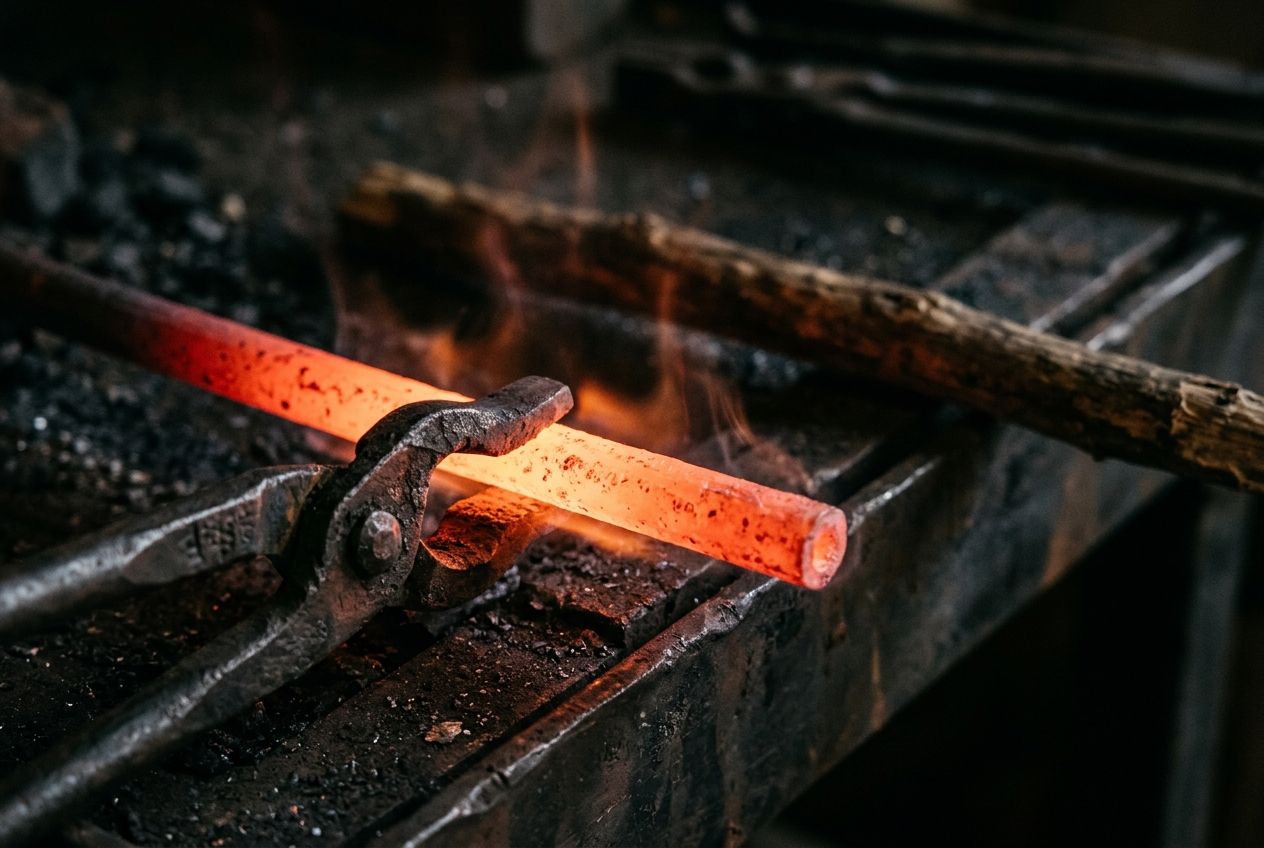
Metals and non-metals
Learn how to distinguish metals from non-metals on the periodic table by comparing their locations, electron reactions, and conductivity.
Group Zero
Learn about the noble gases in Group 0, their stable electronic structures, unreactivity, and boiling point trends for AQA GCSE Chemistry.
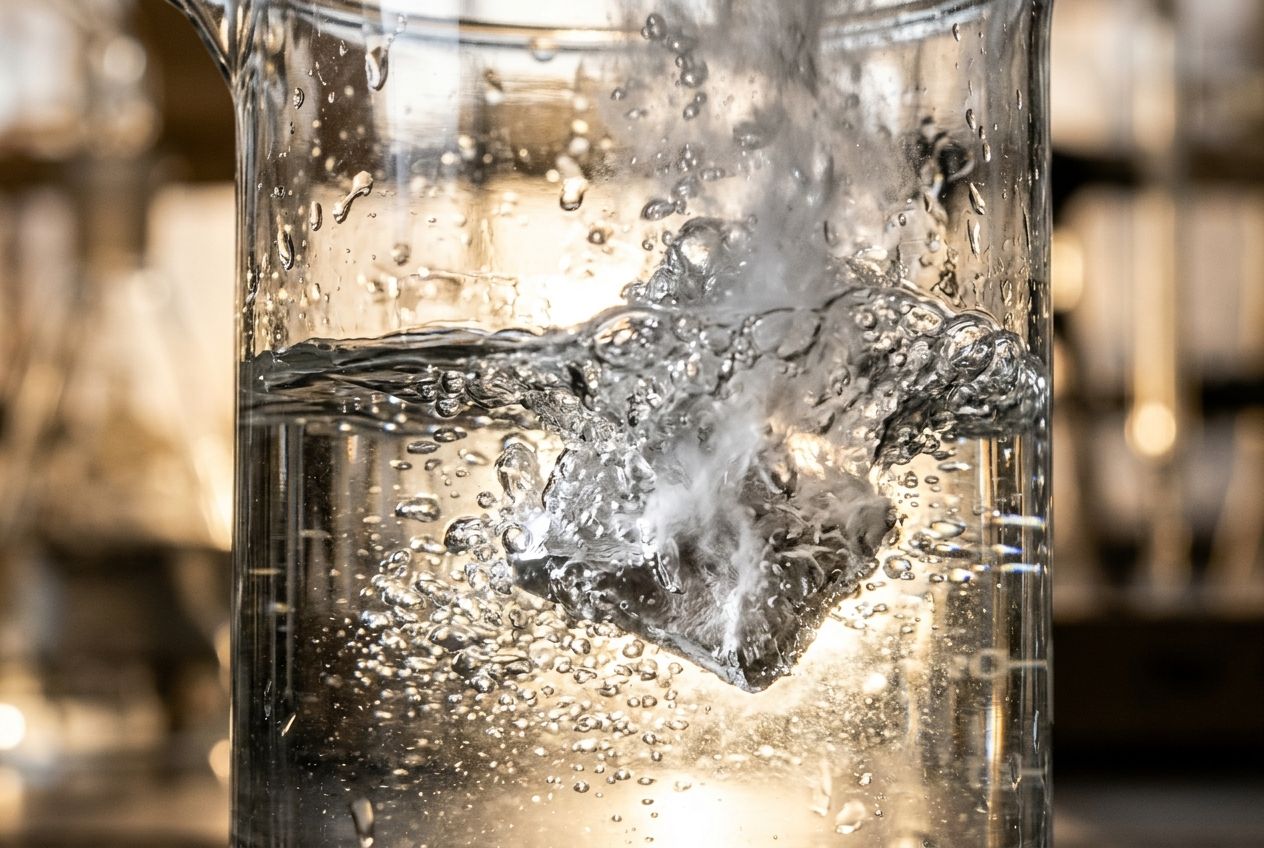
Chemistry: Group 1 Alkali Metals
Master the properties, chemical reactions, and reactivity trends of the Group 1 alkali metals for AQA GCSE Chemistry.
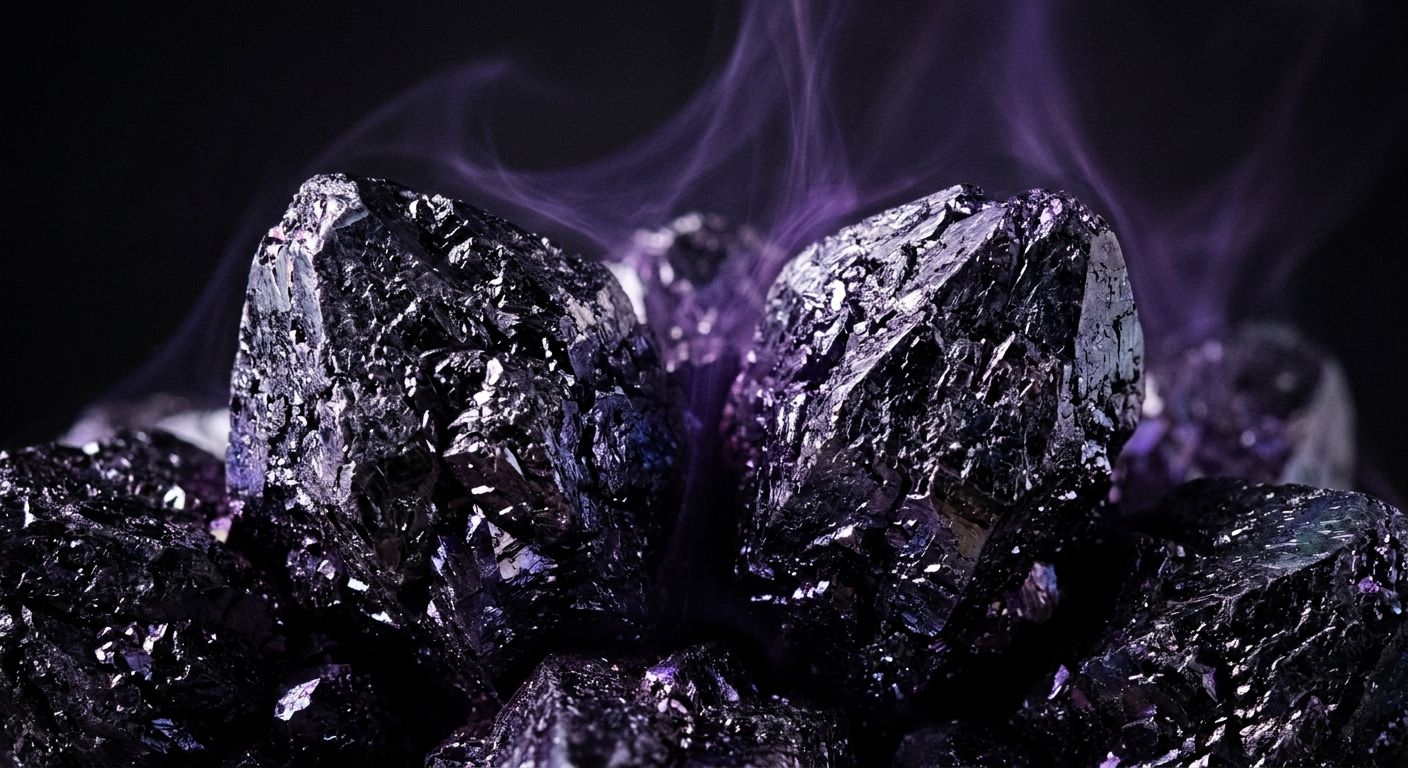
Chemistry: Group Seven
Master Group 7 halogens for AQA GCSE Chemistry, covering electronic structure, physical trends, reactivity, and displacement reactions.
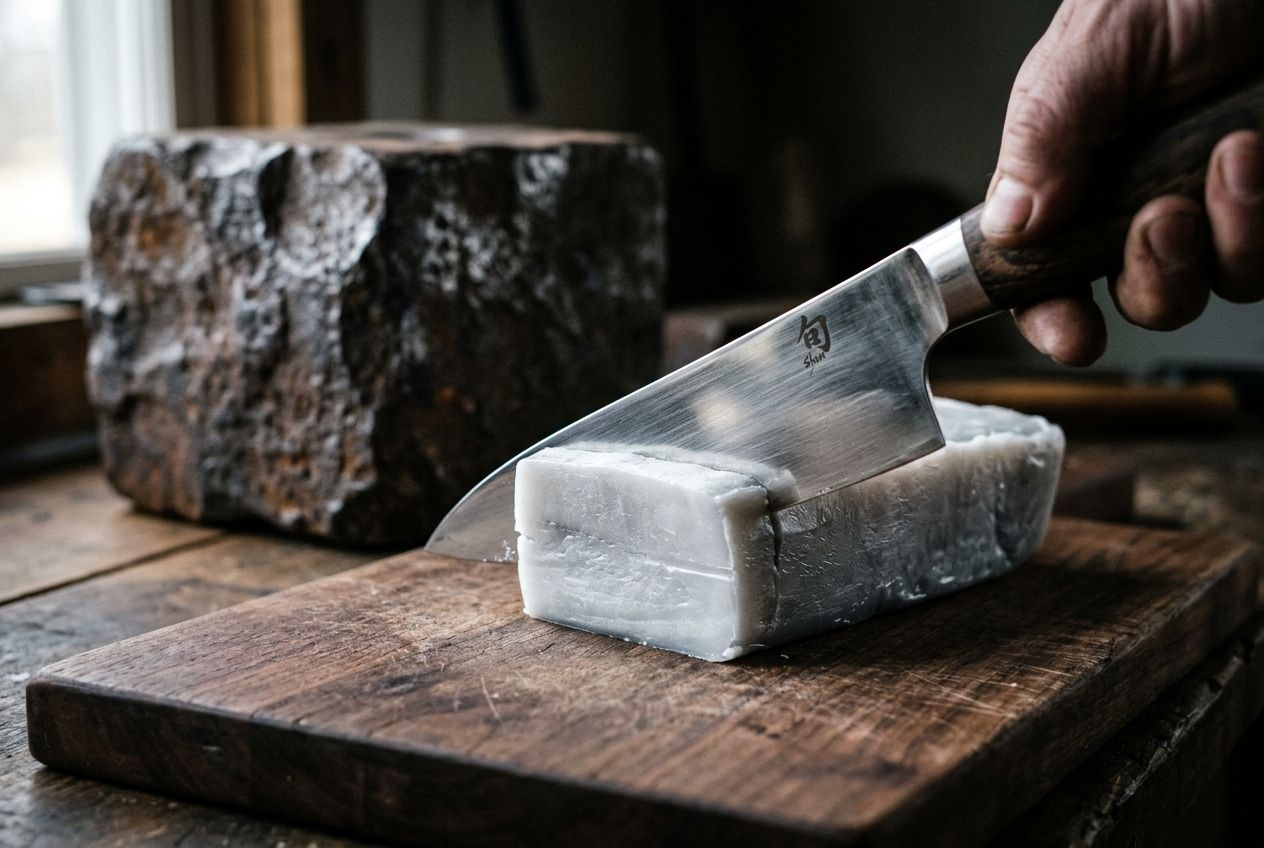
Transition metals compared with Group One
Compare transition metals with Group 1 alkali metals for AQA GCSE Chemistry, focusing on differences in melting point, density, strength, and chemical reactivity.
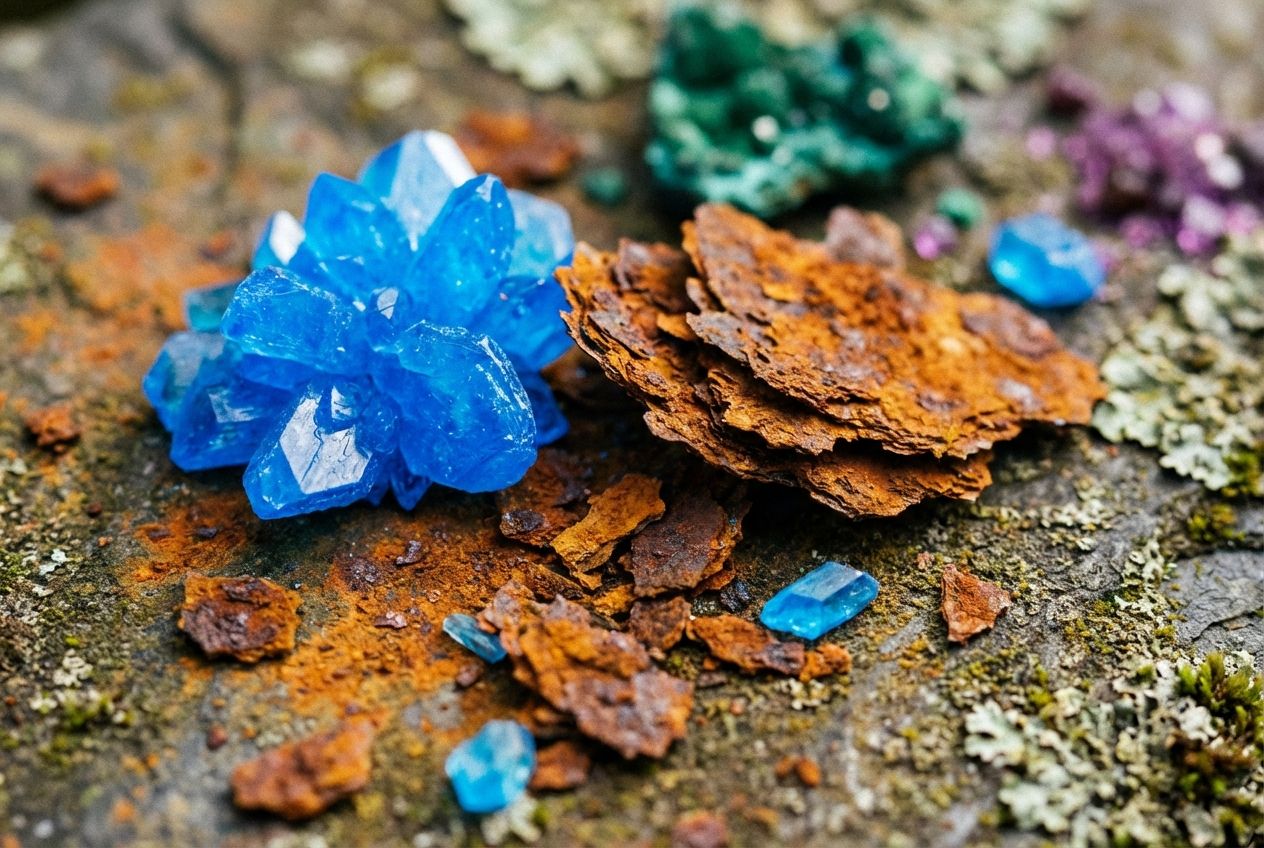
Properties of Transition Metals
Learn the characteristic properties of transition metals for AQA GCSE Chemistry, including variable ion charges, catalytic activity, and compound colours.
Learn AQA GCSE Chemistry 8462 Paper 1 differently
Auracle is an audio-first learning platform built for busy people. Memorize anything without looking at a screen.
Hands-Free Learning
Listen, interact, and review cards entirely through audio. Perfect for commuting, walking, or at the gym.
Spaced Repetition
Auracle uses a scientific algorithm to schedule your reviews at the optimal time, ensuring you never forget what you learn.
Learn how it works