Tutorial

Metals and non-metals

Learn how to distinguish metals from non-metals on the periodic table by comparing their locations, electron reactions, and conductivity.
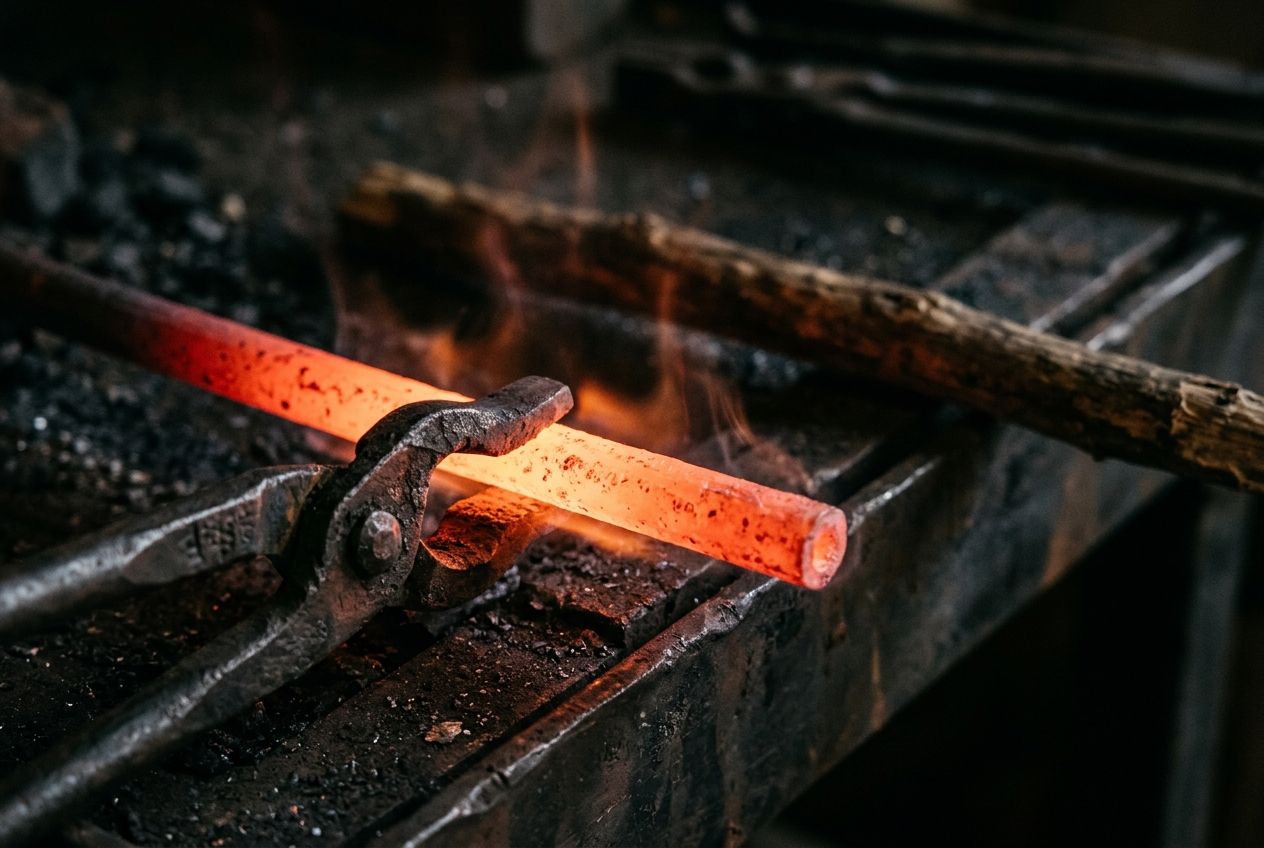
A close-up, dramatic photograph of a glowing red-hot copper rod, held by tongs, with visible heat ripples distorting the air around it. In the background, slightly out of focus, a dull, unheated wooden stick rests on a dark surface, with warm, intense lighting emphasizing the stark contrast between the two materials, composed for a 3:2 landscape frame.

Management & Tools

Deck Contents

12 Cards
Lesson#1
In this deck, you will learn how to distinguish metals from non-metals using the periodic table. We will explore where each type of element is located, how their atoms react in terms of electrons, and how their physical conductivity compares.
Lesson#2
Looking across the periodic table, most elements are metals. Metals are located mainly on the left and towards the bottom of the periodic table. In contrast, non-metals are located mainly towards the top right.
Quiz#3
In the periodic table as a whole, what type of element makes up most of the elements?

metals

Quiz#4
In the periodic table, where are metals mainly located?

on the left and towards the bottom

Quiz#5
In the periodic table, where are non-metals mainly located?

towards the top right

Lesson#6
When chemical reactions take place, atoms change how their electrons are arranged. Metal atoms generally lose electrons to form positive ions. In contrast, non-metal atoms generally gain or share electrons.

Login to View Content

Create a free account or log in to see all 12 cards and start studying this deck.

Learn Metals and non-metals differently

Auracle is an audio-first learning platform built for busy people. Memorize anything without looking at a screen.

Hands-Free Learning

Listen, interact, and review cards entirely through audio. Perfect for commuting, walking, or at the gym.

Spaced Repetition

Auracle uses a scientific algorithm to schedule your reviews at the optimal time, ensuring you never forget what you learn.

Learn how it works

Ready to start the Metals and non-metals audio deck?