Tutorial

AQA GCSE Geography: Paper 1 (Optional) - The Living World: Cold Environments

This deck covers the characteristics of polar and tundra environments, including their climate, soil, and the adaptations of plants and animals. It also explores the opportunities and challenges for development in these extreme regions. This is an optional topic, so check with your teacher before studying.
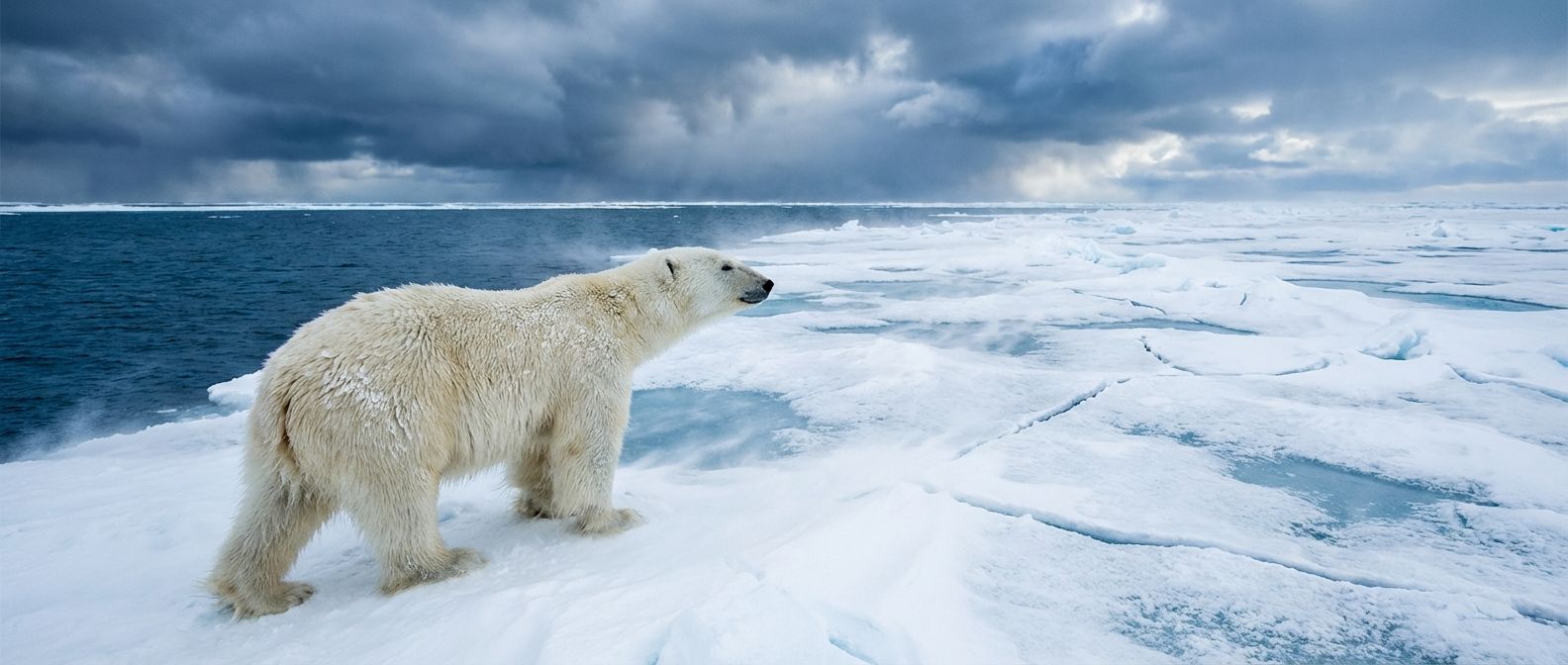
A majestic polar bear stands on a vast, windswept ice floe, its thick white fur a stark contrast against the deep blue of the arctic ocean and a dramatic, cloudy sky. The bear looks out across the expansive, frozen landscape, conveying both the harshness and beauty of polar environments. Wide-angle photograph.

Management & Tools

Deck Contents

33 Cards
Lesson#1
Welcome to this deck on cold environments, an optional topic in the Living World section of AQA GCSE Geography. Before you start, please check with your teacher that this is one of the options your school is studying. In this deck, we'll explore the harsh physical characteristics of polar and tundra regions, discover the amazing ways plants and animals have adapted to survive, and investigate the opportunities and challenges for human development in these extreme parts of our planet.
Lesson#2
When we talk about cold environments, we're generally referring to two main types: polar environments and tundra environments. Polar regions are the coldest places on Earth, found around the North and South Poles. Tundra environments are found just south of the polar regions in the Northern Hemisphere, for example, in northern Canada and Siberia. They are still extremely cold, but not quite as severe as the polar regions.
Quiz#3
For GCSE Geography, what are the two main types of cold environment?

polar and tundra

Lesson#4
The climate in cold environments is defined by extreme cold and very low levels of precipitation. Winters are long and dark, with temperatures often plummeting far below freezing. Summers are very short and cool. In terms of precipitation, these areas are often described as 'cold deserts' because the air is too cold to hold much moisture, so snowfall is actually quite light.
Quiz#5
What are the two main characteristics of the climate in cold environments?

low temperatures and precipitation

Lesson#6
Let's look more closely at polar environments. These are areas covered by ice caps and glaciers, like Antarctica and most of Greenland. The climate is incredibly severe. Average winter temperatures can drop below minus 50 degrees Celsius. There is almost no soil, and very little vegetation can survive here.

Login to View Content

Create a free account or log in to see all 33 cards and start studying this deck.

Learn AQA GCSE Geography: Paper 1 (Optional) - The Living World: Cold Environments differently

Auracle is an audio-first learning platform built for busy people. Memorize anything without looking at a screen.

Hands-Free Learning

Listen, interact, and review cards entirely through audio. Perfect for commuting, walking, or at the gym.

Spaced Repetition

Auracle uses a scientific algorithm to schedule your reviews at the optimal time, ensuring you never forget what you learn.

Learn how it works

Ready to start the AQA GCSE Geography: Paper 1 (Optional) - The Living World: Cold Environments audio deck?