GCSE Geography (AQA)
The entire AQA GCSE Geography course, covering every topic for Papers 1, 2, and 3. From tectonic hazards to urban challenges in Lagos, it's all in here.
GCSE Geography (AQA)
The entire AQA GCSE Geography course, covering every topic for Papers 1, 2, and 3. From tectonic hazards to urban challenges in Lagos, it's all in here.
Decks in this Course
42 items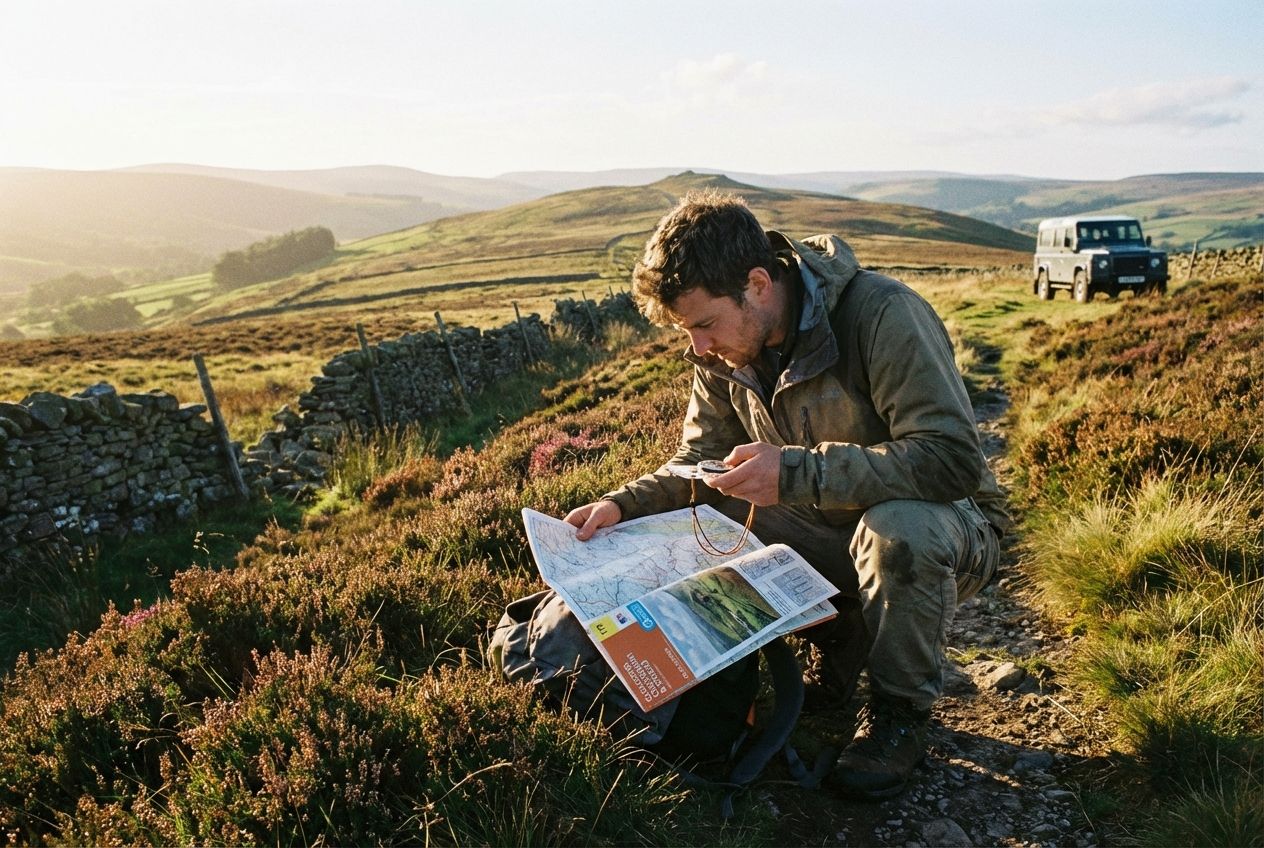
AQA GCSE Geography: Geographical Skills - Master Cartographic Skills
Learn to interpret, analyse, and use a range of maps at different scales, including Ordnance Survey maps. This deck covers grid references, scale, distance, direction, contour lines, and identifying physical and human features.
AQA GCSE Geography: Geographical Skills - Master Graphical Skills
Learn to select, construct, and interpret a range of graphs and charts used in geography, including line graphs, bar charts, pie charts, pictograms, histograms, scattergraphs, and population pyramids.
AQA GCSE Geography: Geographical Skills - Master Numerical and Statistical Skills
Learn to use and interpret numerical and statistical data. This deck covers calculating mean, median, mode, range, and interquartile range, as well as understanding percentages and basic statistical tests like Spearman's rank.
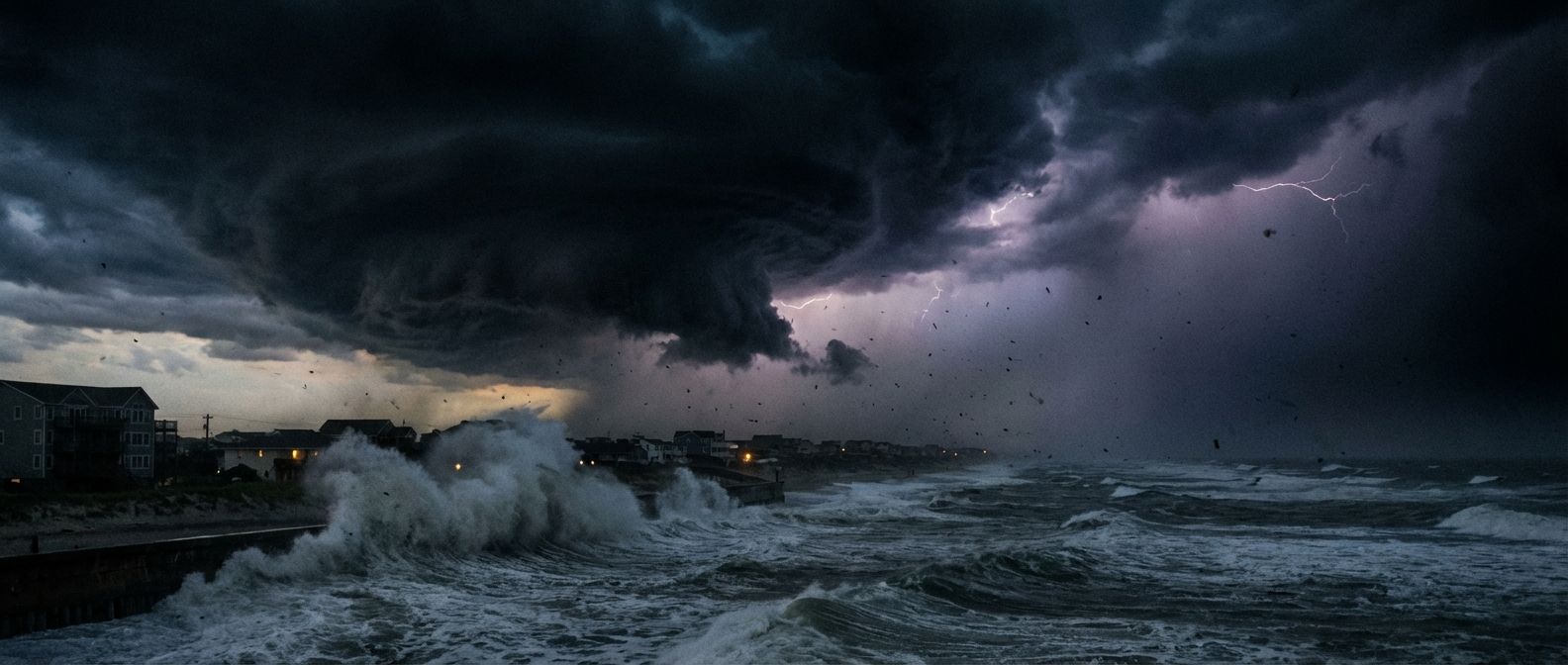
AQA GCSE Geography: Paper 1 - Introduction to Natural Hazards
Understand the key concepts of natural hazards, including the definition of a hazard, factors affecting hazard risk, and the distinction between different types of natural hazards.
AQA GCSE Geography: Paper 1 - Understand Tectonic Hazards
Learn about the structure of the Earth, plate tectonic theory, and the global distribution of earthquakes and volcanoes. This deck covers the characteristics of different plate margins (constructive, destructive, conservative) and the formation of volcanoes and earthquakes.
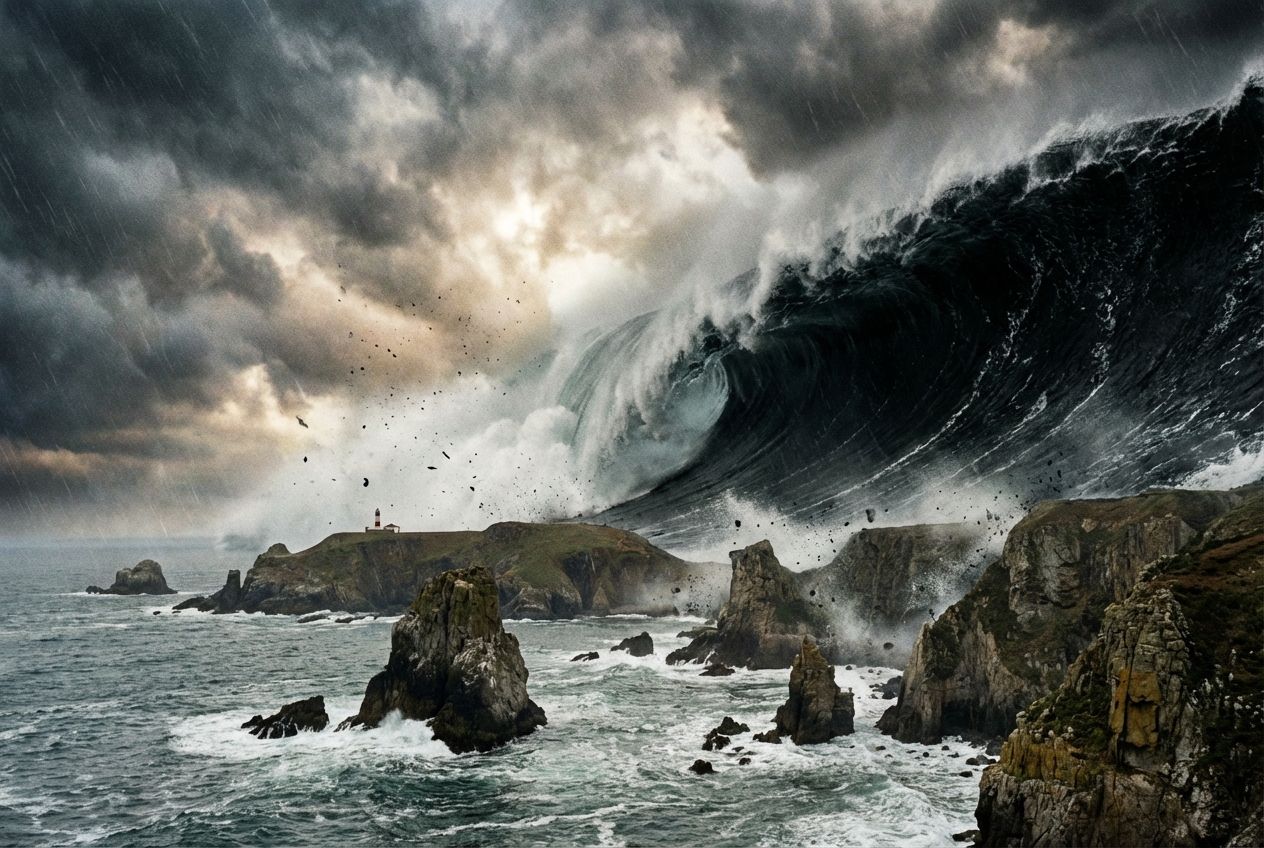
AQA GCSE Geography: Paper 1 - Case Study of a HIC Tectonic Hazard: Chile Earthquake 2010
Learn the specific details of the 2010 earthquake in Chile as a named example of a tectonic hazard in a High Income Country (HIC). This deck covers the causes, primary and secondary effects, and immediate and long-term responses.
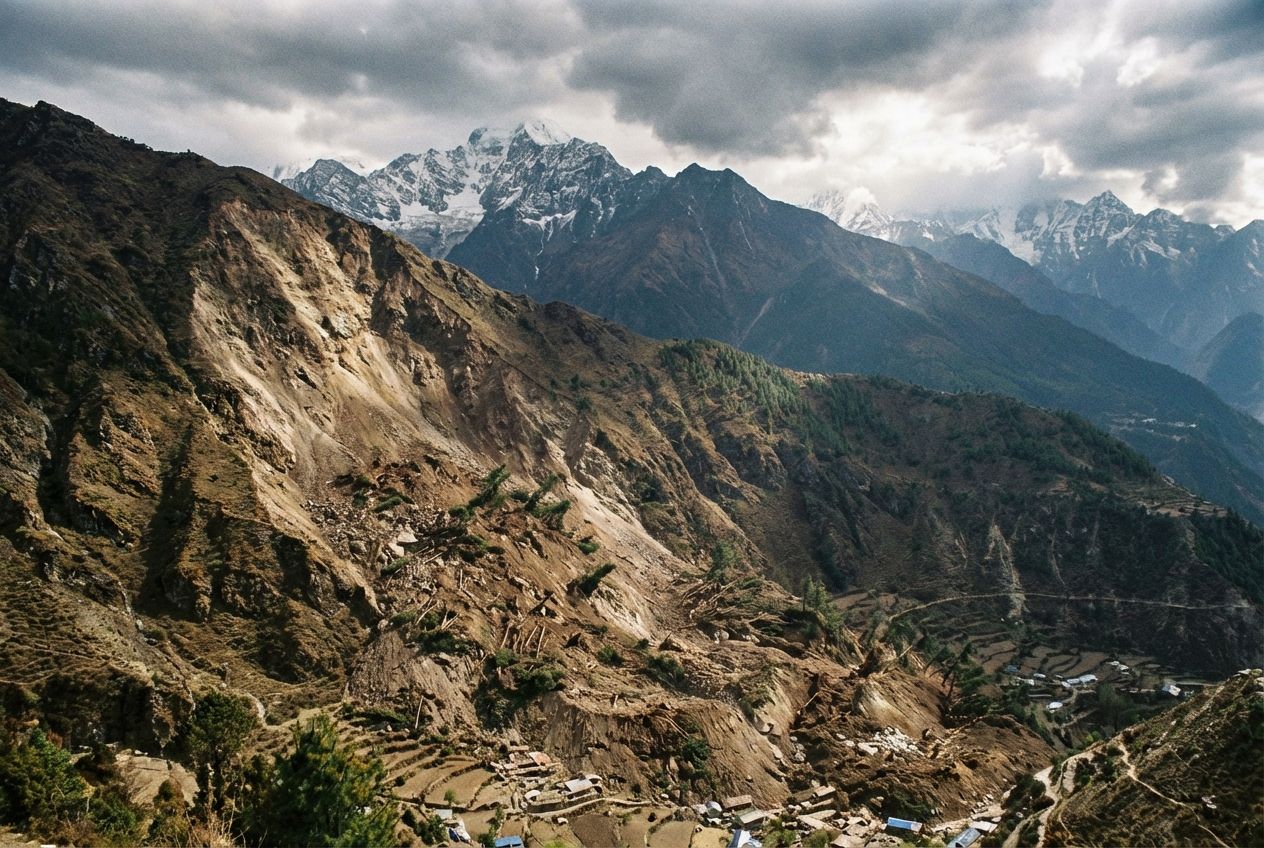
AQA GCSE Geography: Paper 1 - Case Study of a LIC/NEE Tectonic Hazard: Nepal Earthquake 2015
Learn the specific details of the 2015 earthquake in Nepal as a named example of a tectonic hazard in a Low Income Country (LIC). This deck covers the causes, primary and secondary effects, and immediate and long-term responses.
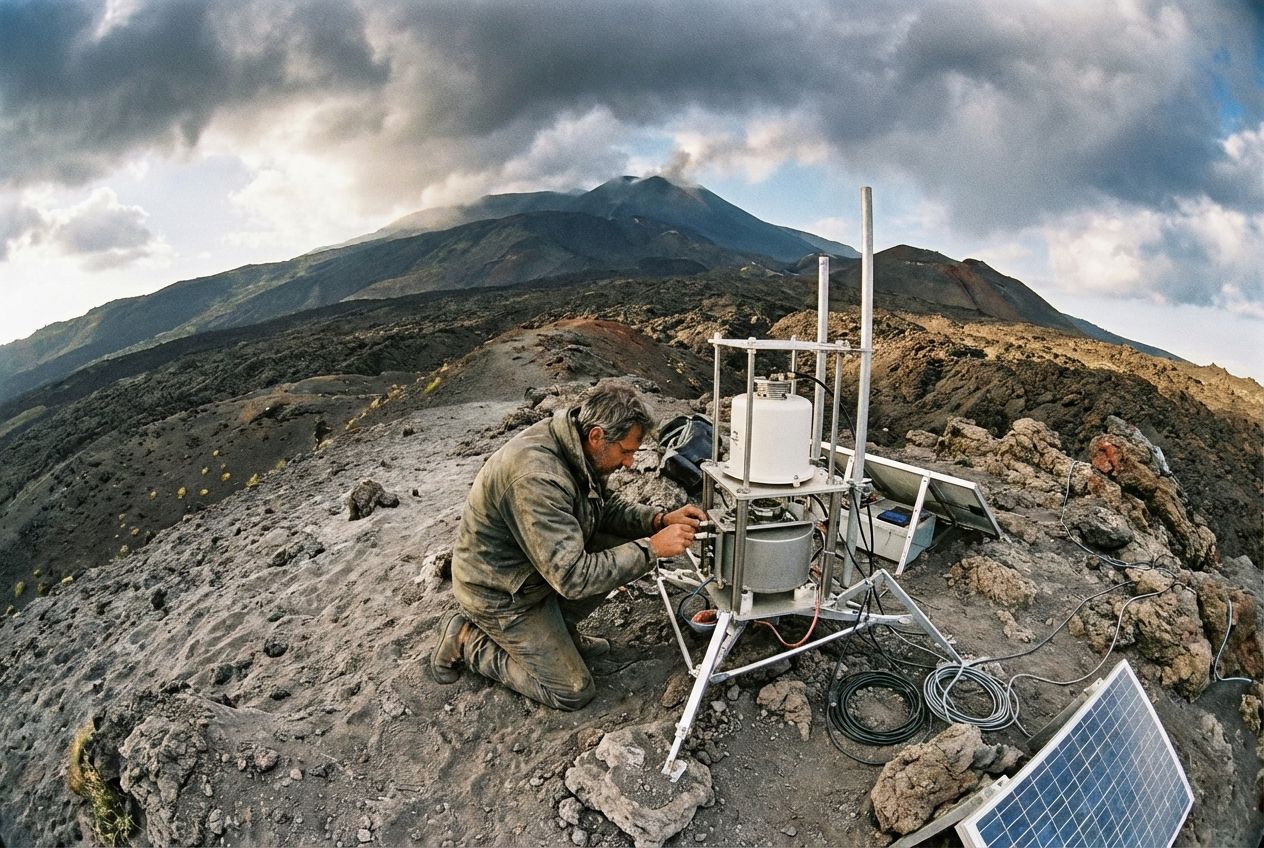
AQA GCSE Geography: Paper 1 - Managing Tectonic Hazards
Learn about the different ways tectonic hazards can be managed. This deck covers the four key management strategies: monitoring, prediction, protection, and planning.
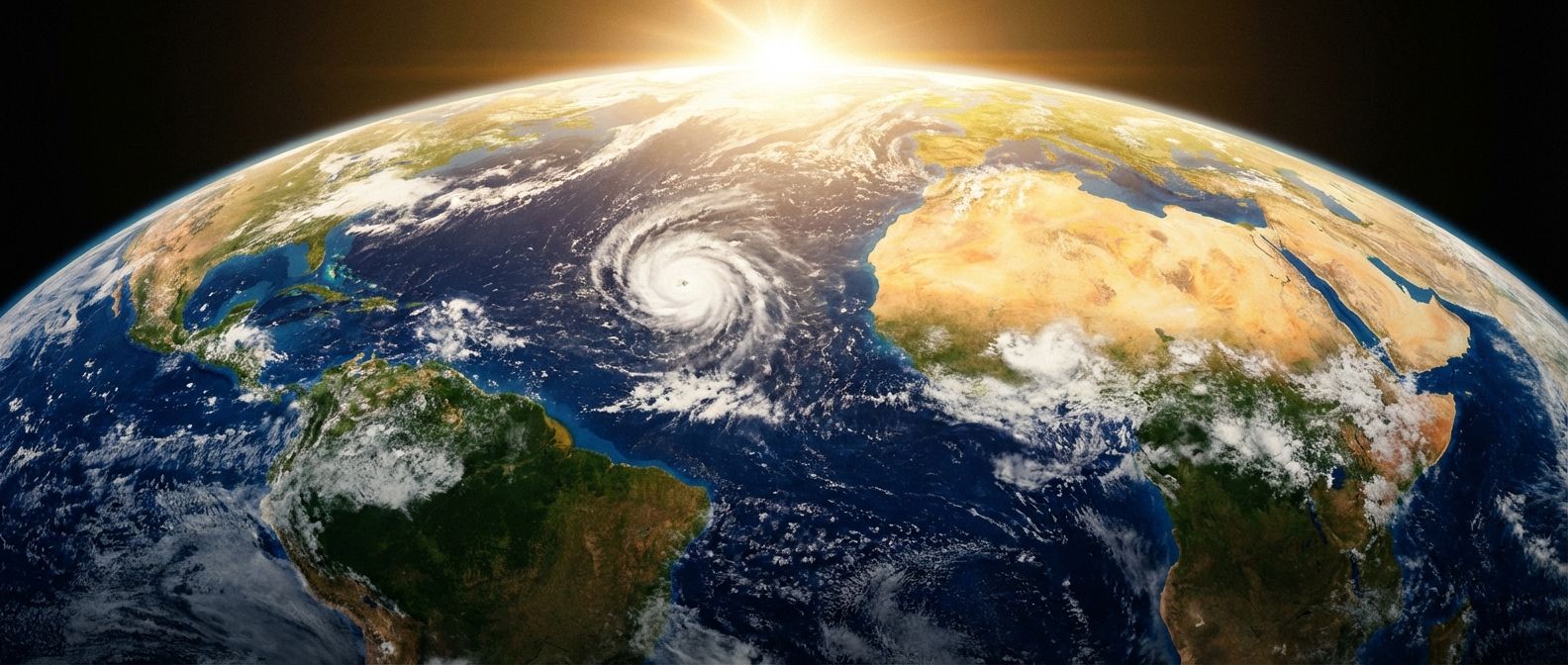
AQA GCSE Geography: Paper 1 - Understand Weather Hazards
Learn about global atmospheric circulation patterns and how they lead to different weather hazards. This deck covers the three-cell model (Hadley, Ferrel, Polar), the formation of tropical storms, and examples of extreme weather in the UK.
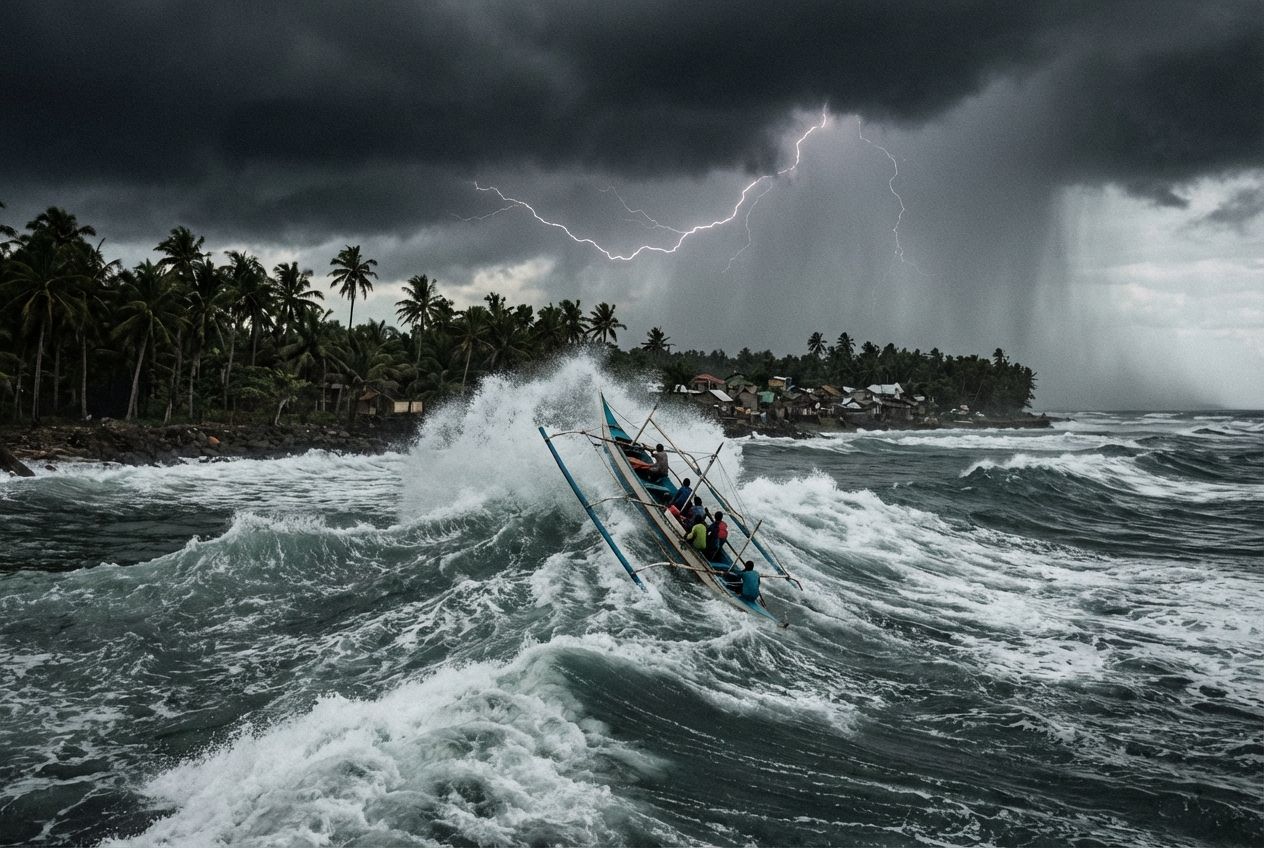
AQA GCSE Geography: Paper 1 - Case Study of a Tropical Storm: Typhoon Haiyan 2013
Learn the specific details of Typhoon Haiyan in the Philippines as a named example of a tropical storm. This deck covers the causes, primary and secondary effects, and immediate and long-term responses.

AQA GCSE Geography: Paper 1 - Understand Climate Change
Learn about the evidence for climate change, its natural and human causes, and its effects. This deck covers the enhanced greenhouse effect, evidence from ice cores and temperature records, and the environmental and social impacts of climate change.
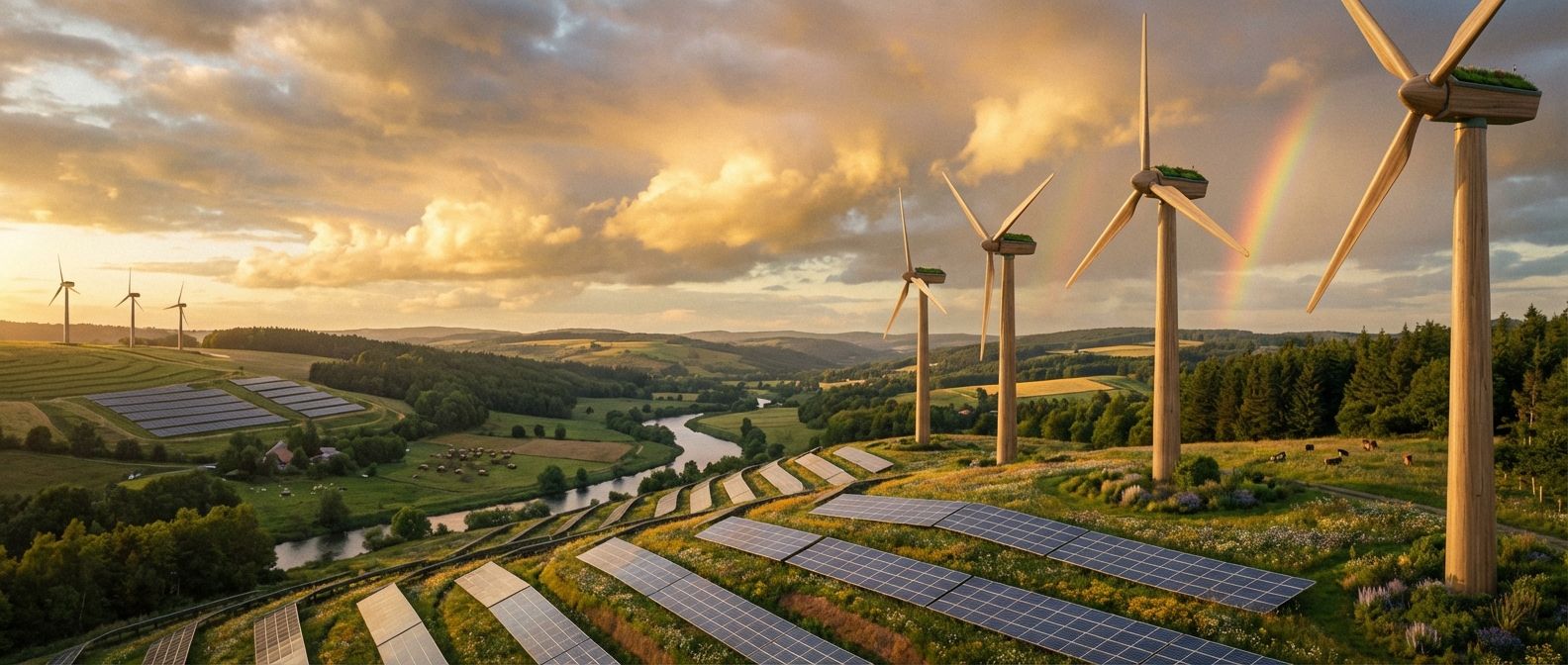
AQA GCSE Geography: Paper 1 - Managing Climate Change
Learn about the strategies used to manage climate change, distinguishing between mitigation and adaptation. This deck covers mitigation strategies like alternative energy and carbon capture, and adaptation strategies like managing water supply and reducing risk from rising sea levels.
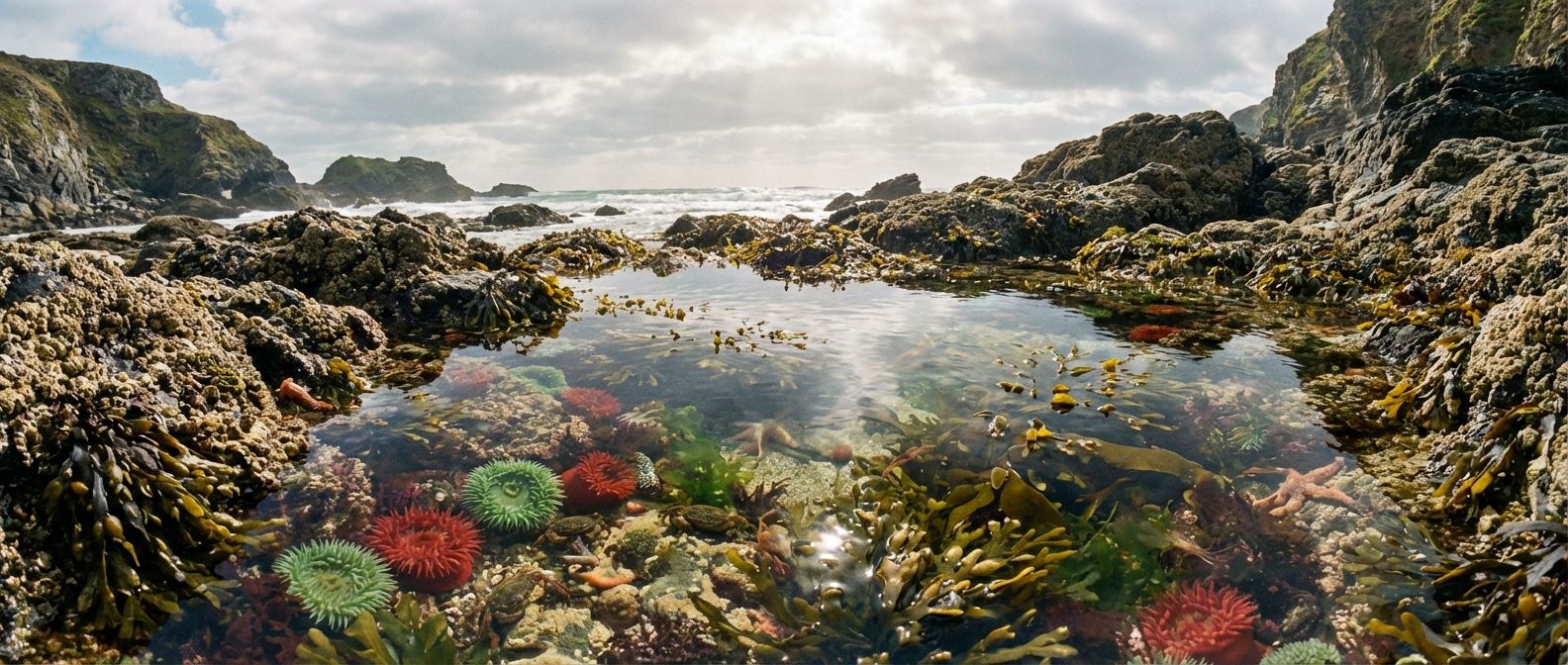
AQA GCSE Geography: Paper 1 - Understand Ecosystems
Learn the fundamental concepts of ecosystems, including biotic and abiotic components, food chains, food webs, and nutrient cycling. This deck focuses on a small-scale UK ecosystem and the concept of biomes.
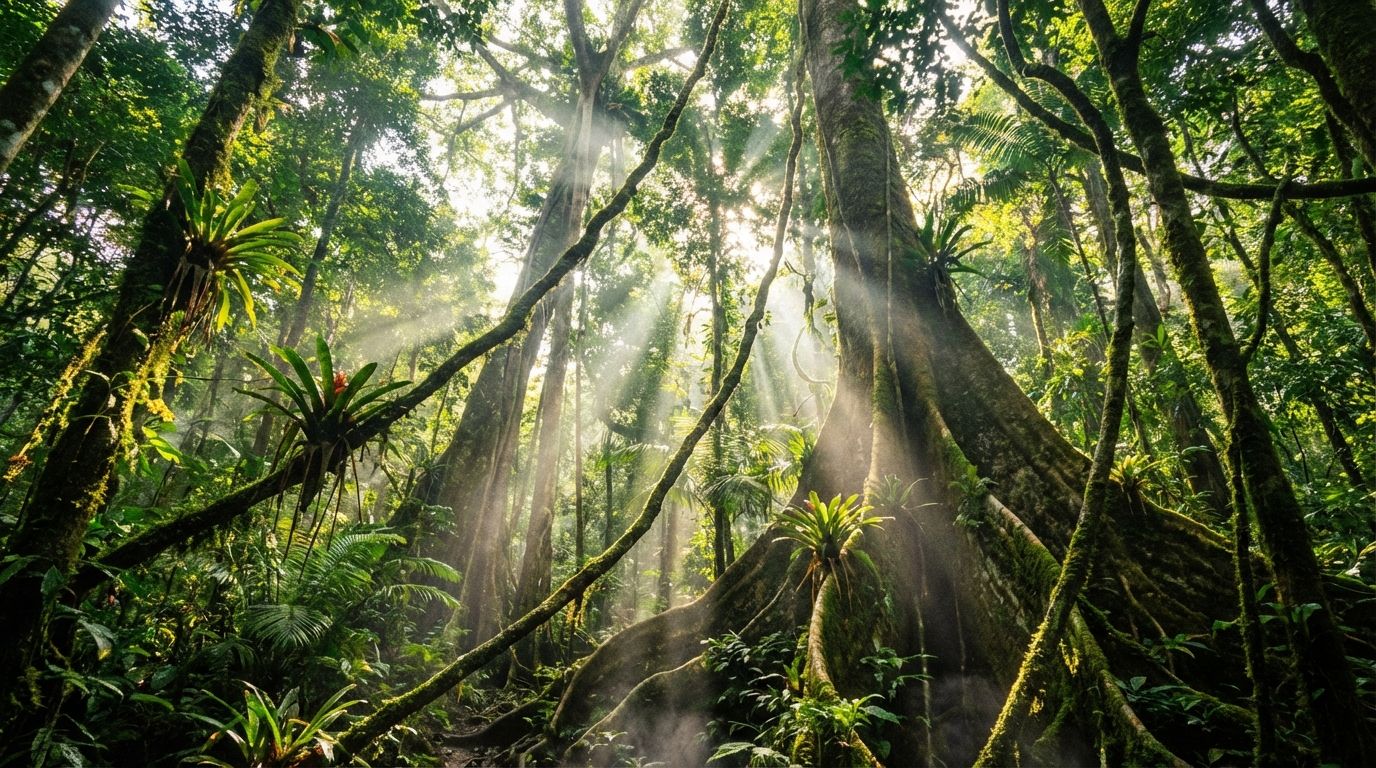
AQA GCSE Geography: Paper 1 - The Living World: Tropical Rainforests
Learn about the characteristics of tropical rainforests, including their climate, soil, and layers of vegetation. This deck also covers the causes and impacts of deforestation.
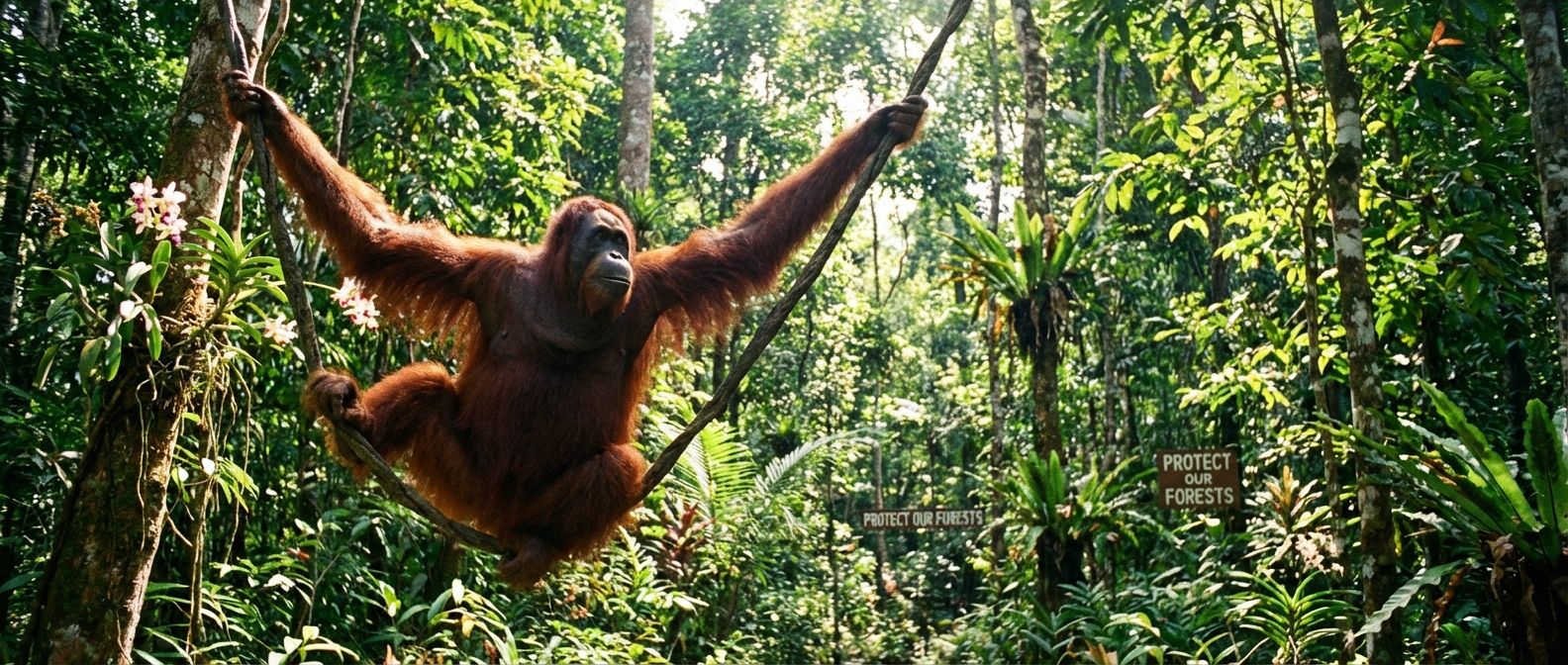
AQA GCSE Geography: Paper 1 - Case Study: Sustainable Management in Malaysia's Rainforests
Learn about the value of tropical rainforests and the strategies used for their sustainable management, using Malaysia as a named example. This deck covers selective logging, ecotourism, and international agreements.
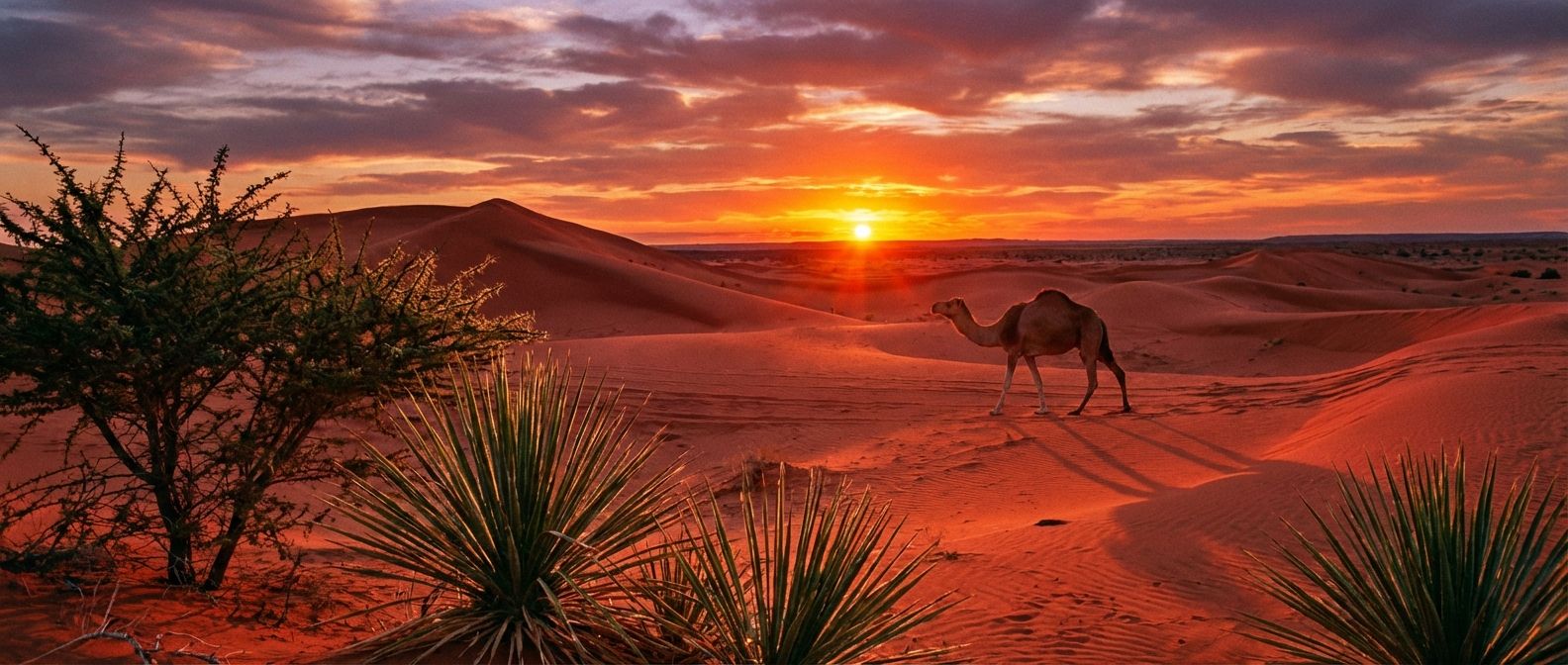
AQA GCSE Geography: Paper 1 (Optional) - The Living World: Hot Deserts
This is an optional topic. Check with your teacher before studying. Learn about the characteristics of hot deserts, including their climate and soil, and how plants and animals adapt to these extreme conditions. This deck also covers development opportunities and challenges in hot deserts, including a case study.
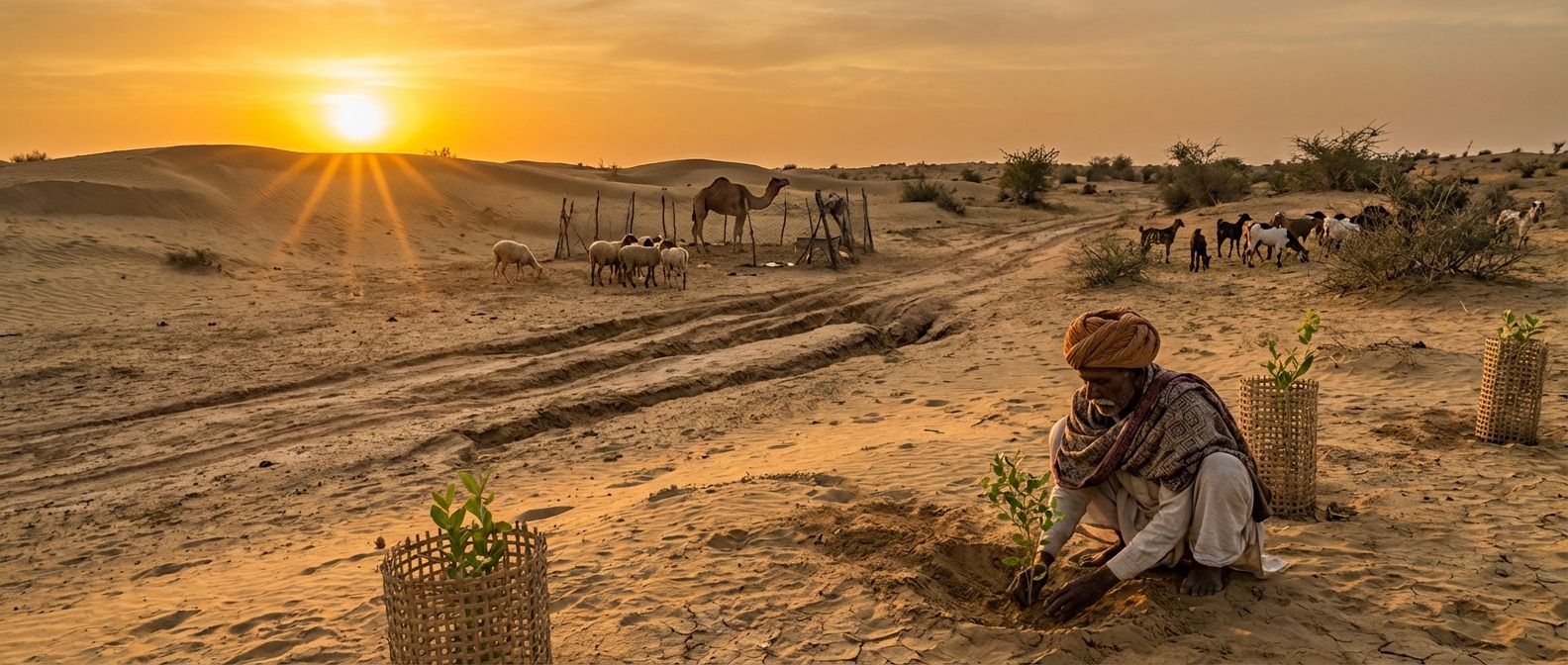
AQA GCSE Geography: Paper 1 (Optional) - Case Study: Desertification in the Thar Desert
This is an optional topic. Check with your teacher before studying. Learn about the causes and management of desertification, using the Thar Desert as a named example.
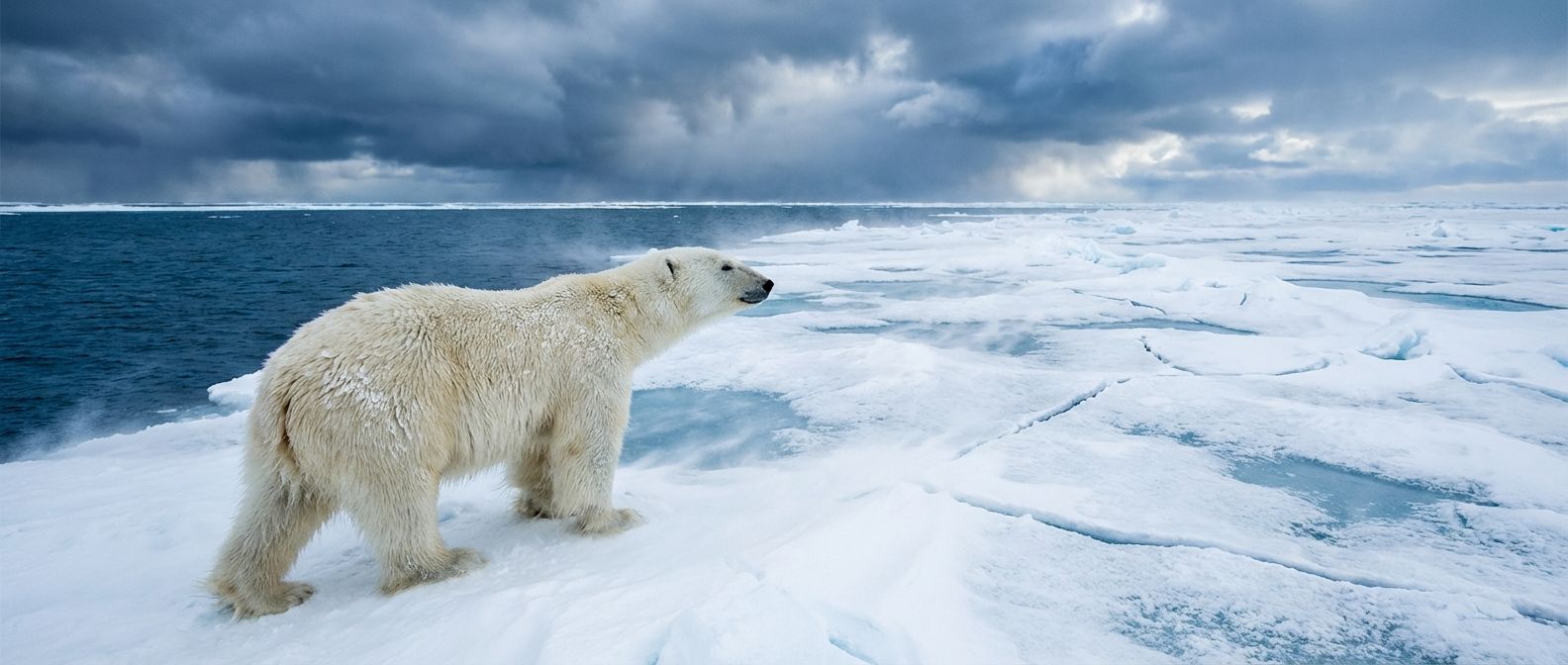
AQA GCSE Geography: Paper 1 (Optional) - The Living World: Cold Environments
This deck covers the characteristics of polar and tundra environments, including their climate, soil, and the adaptations of plants and animals. It also explores the opportunities and challenges for development in these extreme regions. This is an optional topic, so check with your teacher before studying.
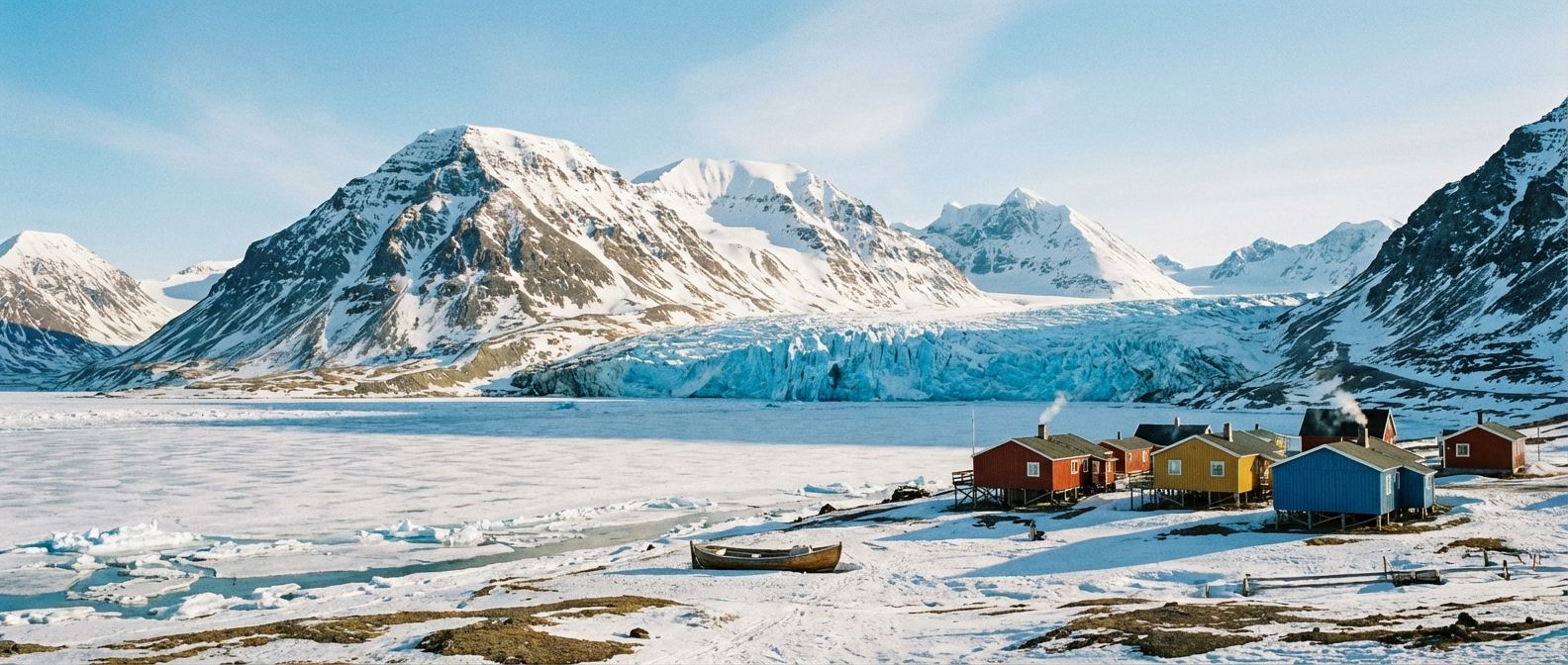
AQA GCSE Geography: Paper 1 (Optional) - Case Study: Development in Svalbard
This is an optional topic. Check with your teacher before studying. Learn about the challenges of development in cold environments and the need for sustainable management, using Svalbard as a named example.
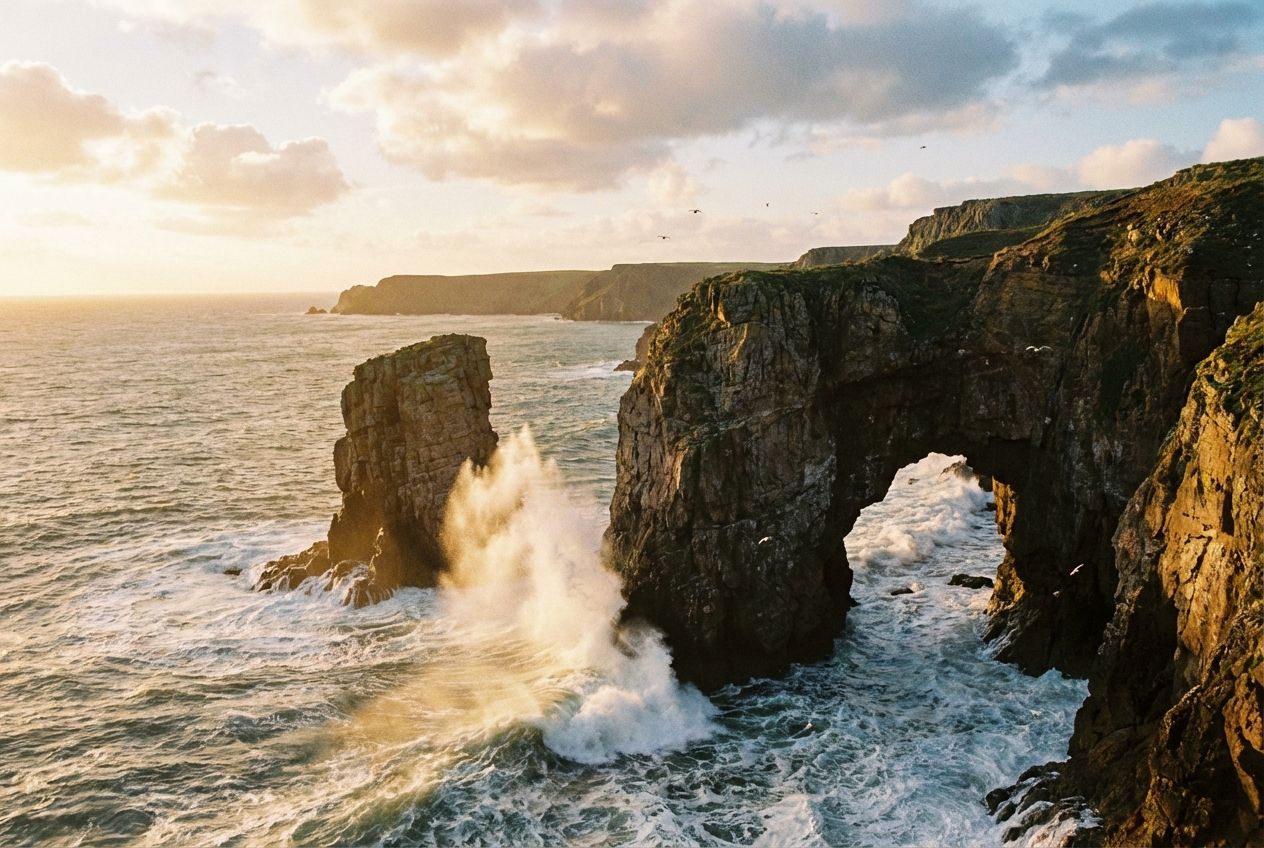
AQA GCSE Geography: Paper 1 (Optional) - Physical Landscapes: Coasts
This is an optional topic. Check with your teacher before studying. Learn about coastal processes of erosion, transportation, and deposition, and the landforms they create. This deck covers headlands, bays, cliffs, wave-cut platforms, beaches, spits, and bars.
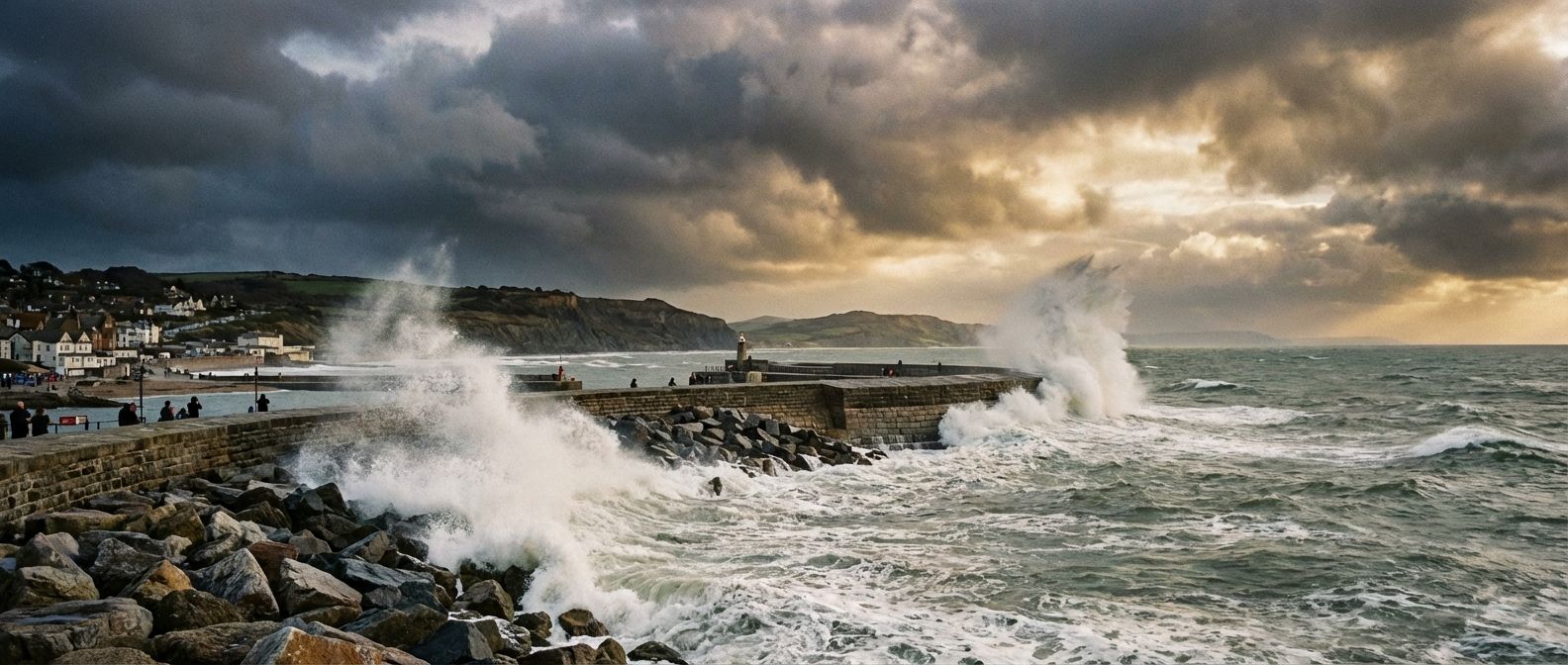
AQA GCSE Geography: Paper 1 (Optional) - Case Study: Coastal Management at Lyme Regis
This is an optional topic. Check with your teacher before studying. Learn about coastal management strategies, distinguishing between hard and soft engineering, using Lyme Regis as a named example.
AQA GCSE Geography: Paper 1 (Optional) - Physical Landscapes: Rivers
This is an optional topic. Check with your teacher before studying. Learn about river processes of erosion, transportation, and deposition, and the landforms they create in the upper, middle, and lower course of a river.
AQA GCSE Geography: Paper 1 (Optional) - Case Study: Flood Management at Boscastle
This is an optional topic. Check with your teacher before studying. Learn about the causes of river flooding and management strategies, using Boscastle as a named example.
AQA GCSE Geography: Paper 1 (Optional) - Physical Landscapes: Glacial
This is an optional topic. Check with your teacher before studying. Learn about glacial processes of erosion, transportation, and deposition, and the distinctive landforms they create.
AQA GCSE Geography: Paper 1 (Optional) - Case Study: Tourism in the Lake District
This is an optional topic. Check with your teacher before studying. Learn about the impacts of tourism on a glaciated upland area and how it is managed, using the Lake District as a named example.
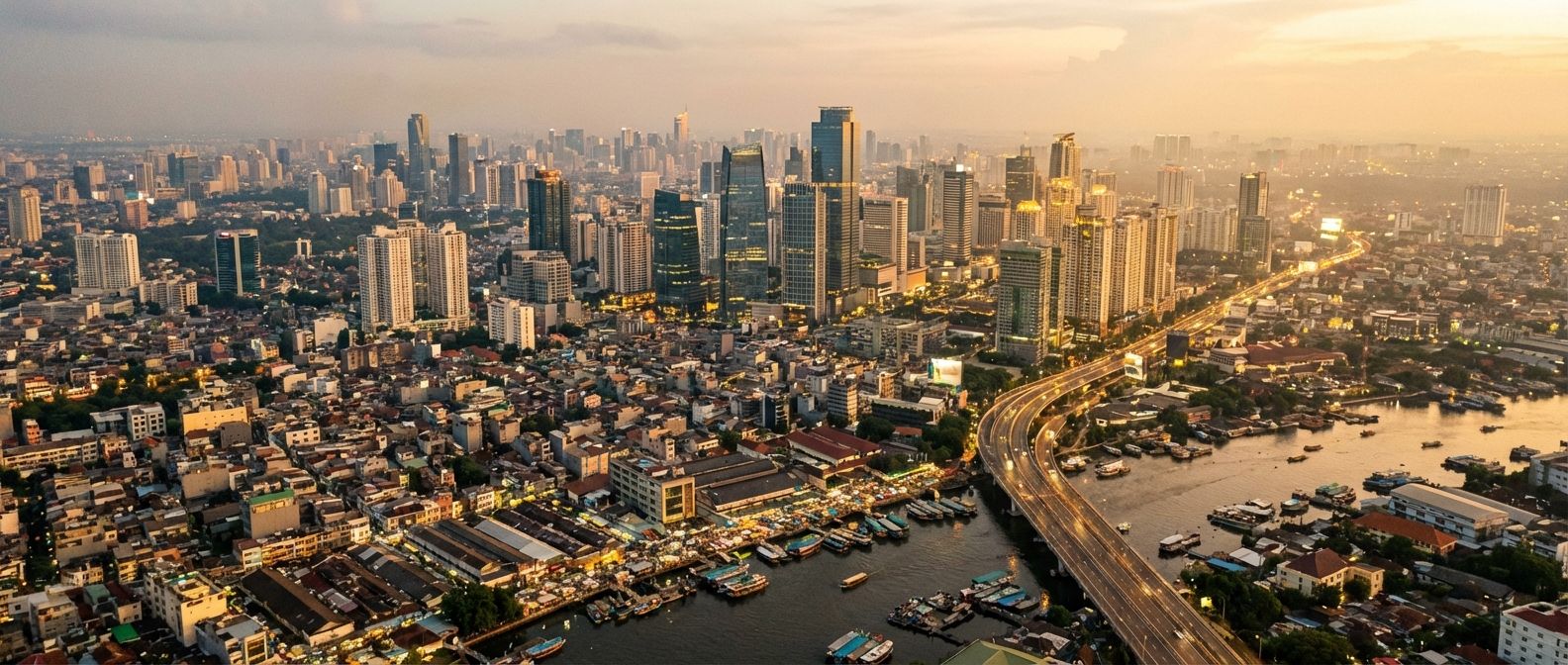
AQA GCSE Geography: Paper 2 - Urban Issues and Challenges
Learn about the global trend of urbanisation. This deck covers the causes of urban growth in different parts of the world and the emergence of megacities.
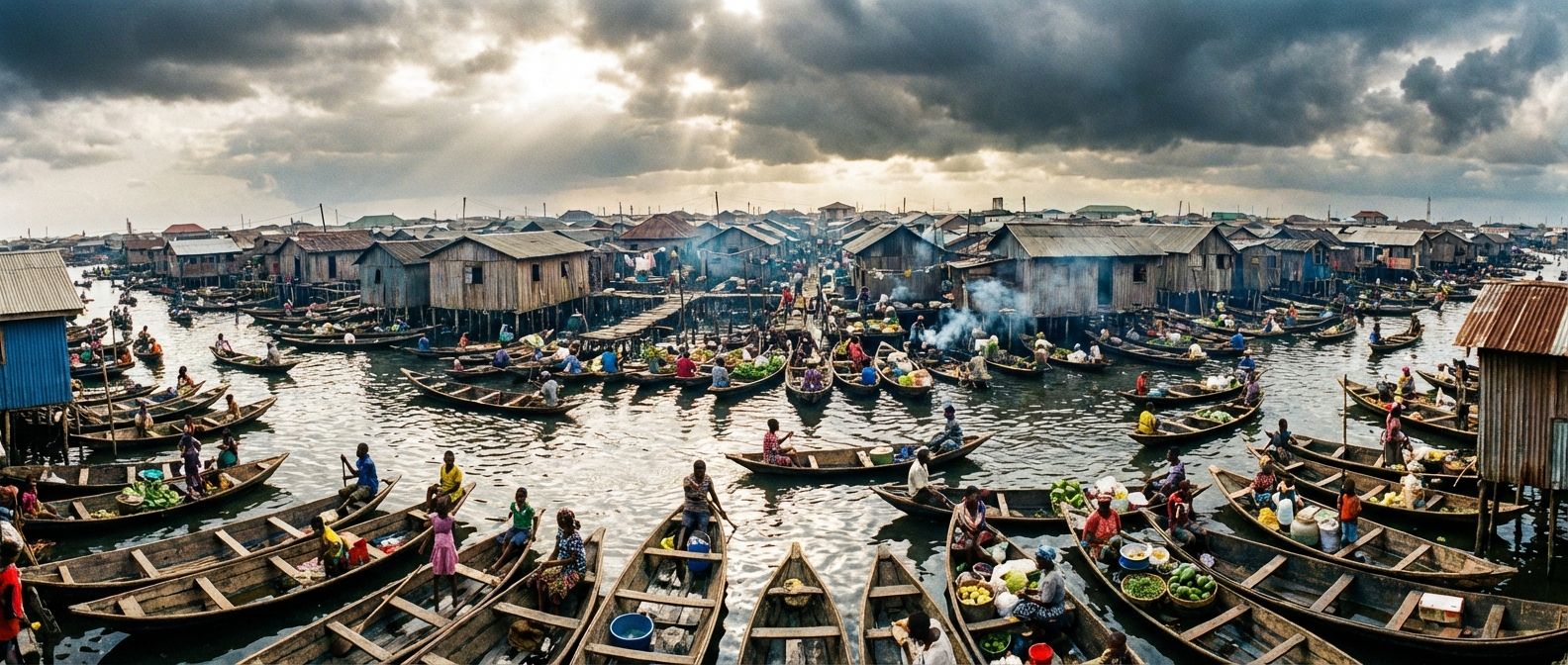
AQA GCSE Geography: Paper 2 - Case Study of a Major City in a LIC/NEE: Lagos
Learn about the city of Lagos, Nigeria. This deck covers its location and importance, causes of growth, opportunities created (social and economic), and challenges of growth such as managing squatter settlements, water, sanitation, and traffic.

AQA GCSE Geography: Paper 2 - Case Study of a Major City in a HIC: Bristol
Learn about the city of Bristol, UK. This deck covers its location and importance, impacts of migration, opportunities (social, economic, environmental), challenges (inequality, housing, waste), and the Temple Quarter regeneration project.
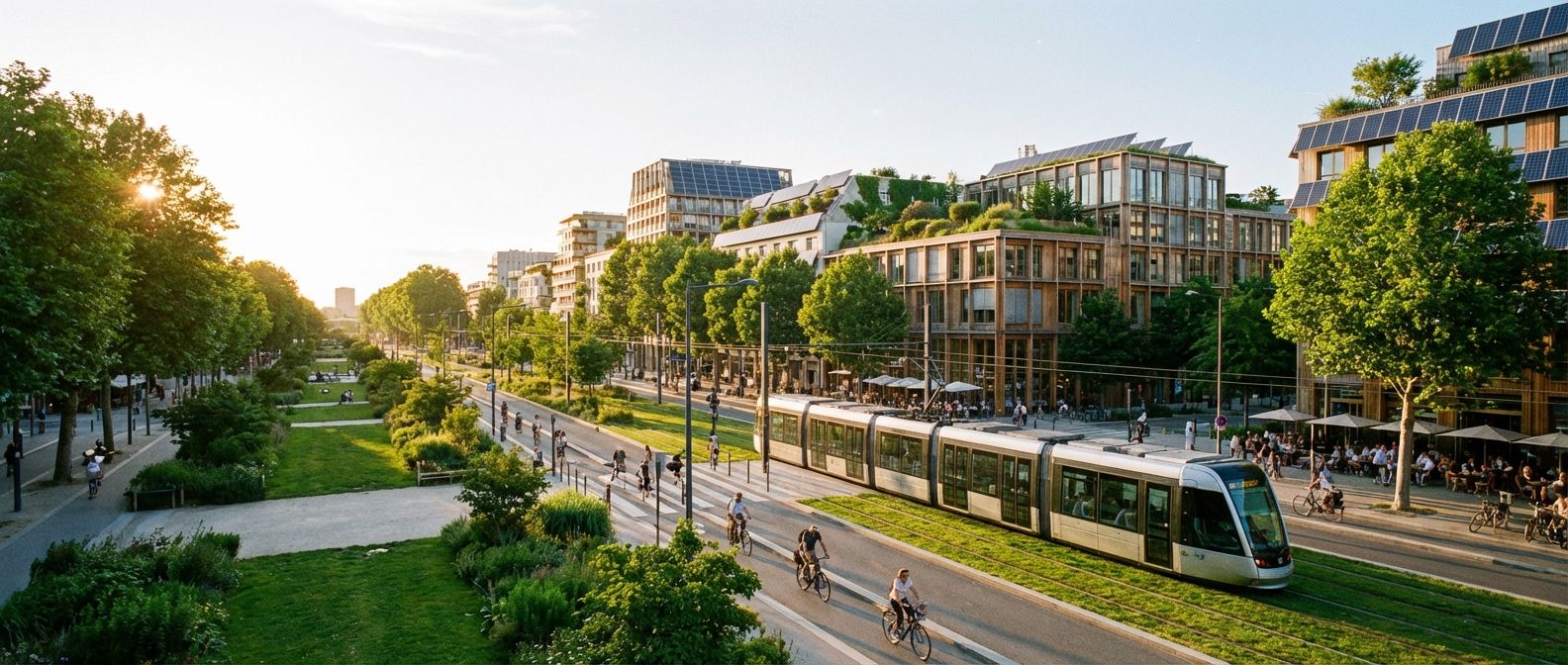
AQA GCSE Geography: Paper 2 - Sustainable Urban Living
Learn about the features of sustainable urban living. This deck covers water and energy conservation, waste recycling, and creating green space. It also explores how to reduce traffic congestion.
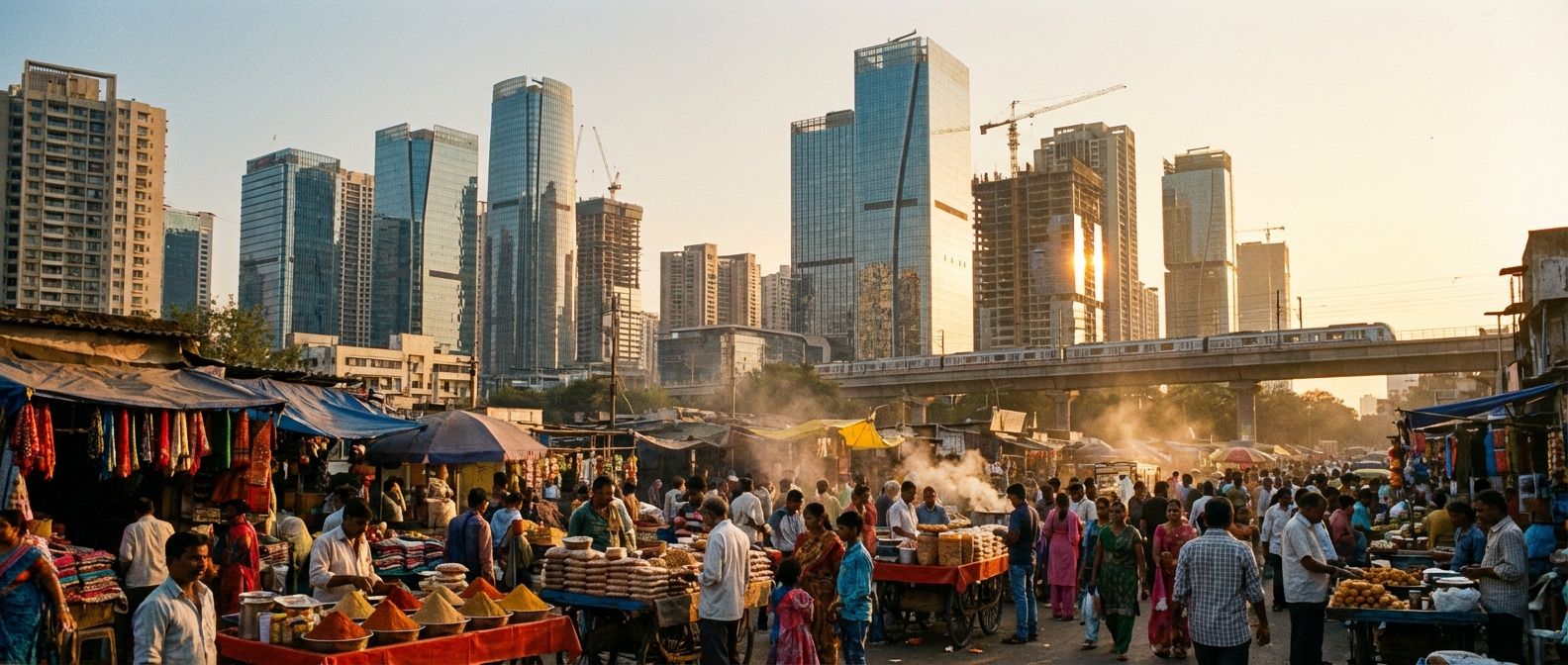
AQA GCSE Geography: Paper 2 - The Changing Economic World
Learn how development is measured and understand the causes of uneven development. This deck covers development indicators (e.g., GNI, HDI), the Demographic Transition Model, and the physical, economic, and historical causes of the development gap.
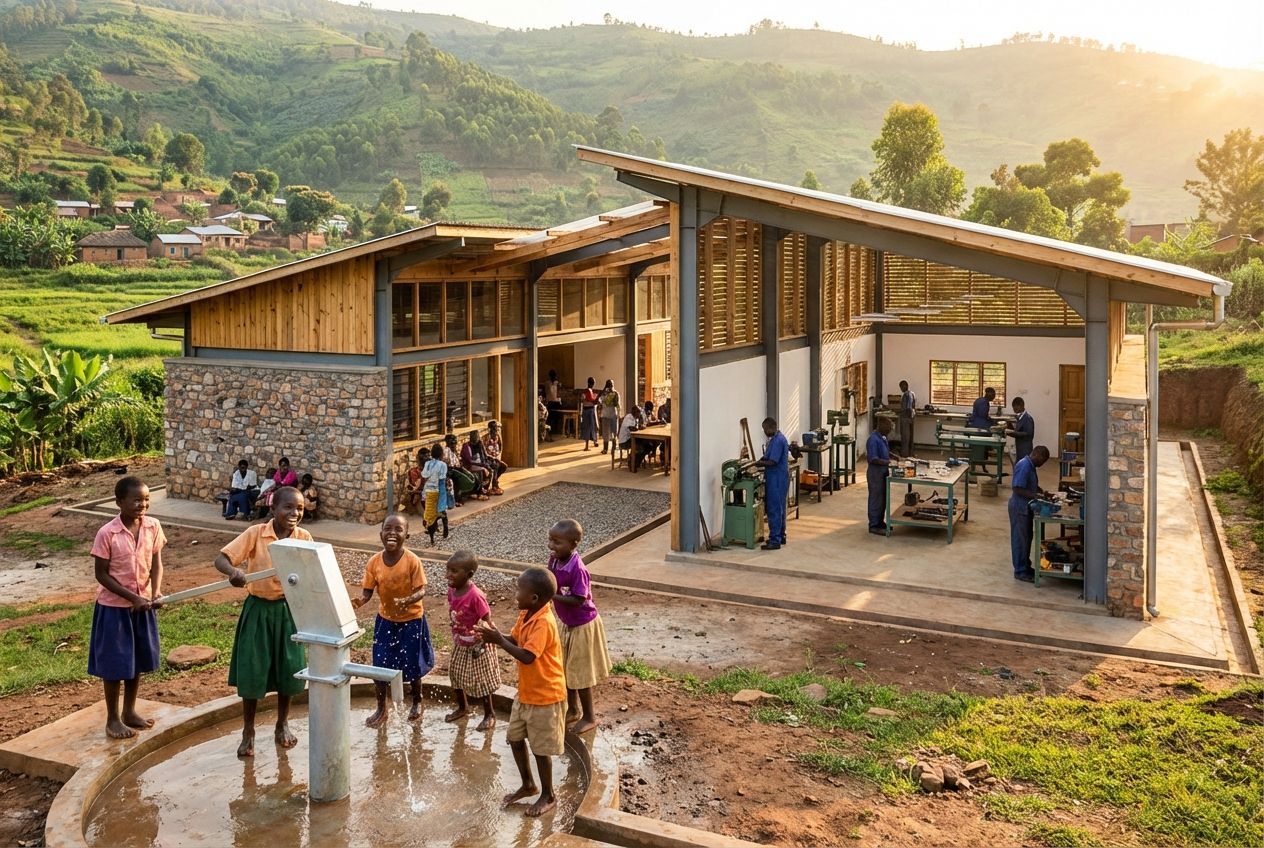
AQA GCSE Geography: Paper 2 - Reducing the Development Gap
Learn about the strategies used to reduce the global development gap. This deck covers investment, industrial development, tourism, aid, intermediate technology, fair trade, debt relief, and microfinance loans.
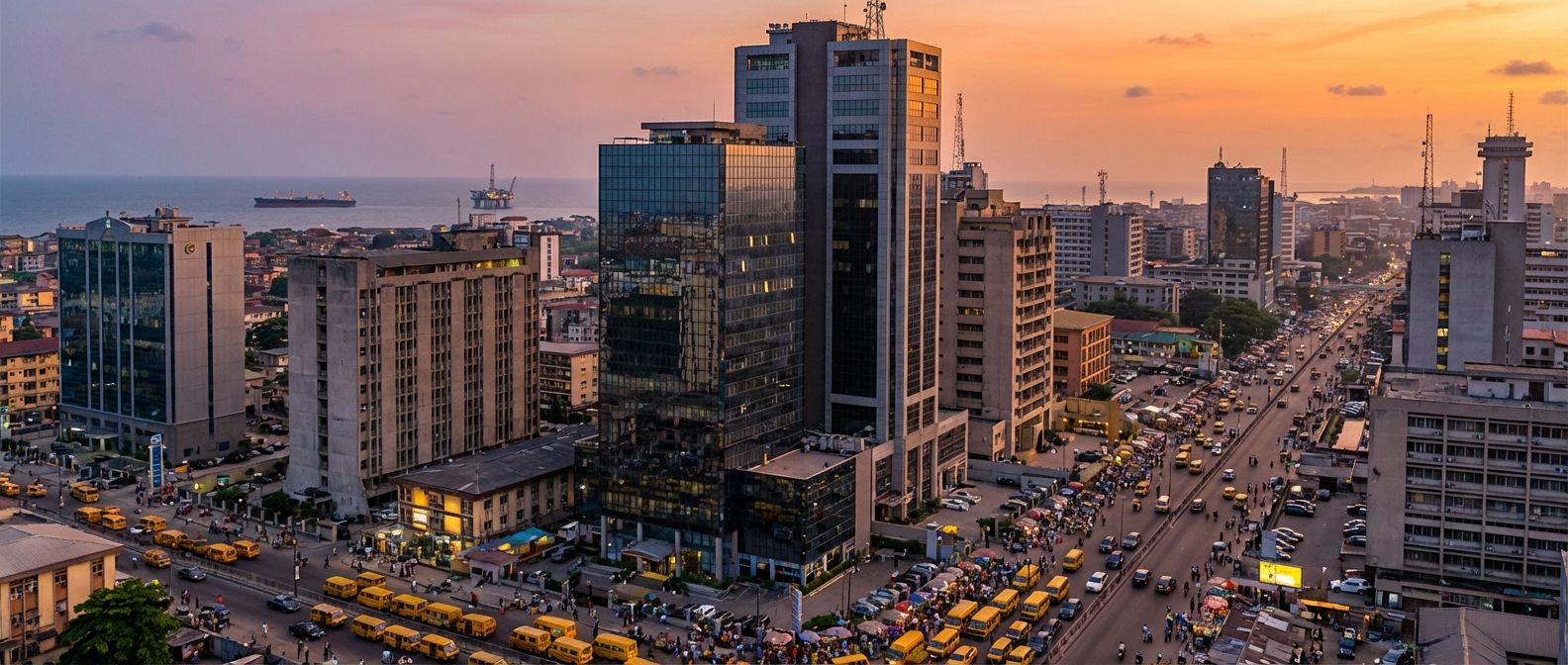
AQA GCSE Geography: Paper 2 - Case Study of a Newly Emerging Economy: Nigeria
Learn about Nigeria as an example of an NEE. This deck covers its location and importance, its changing industrial structure, the role of transnational corporations (TNCs), international aid, and the environmental impacts of economic development.
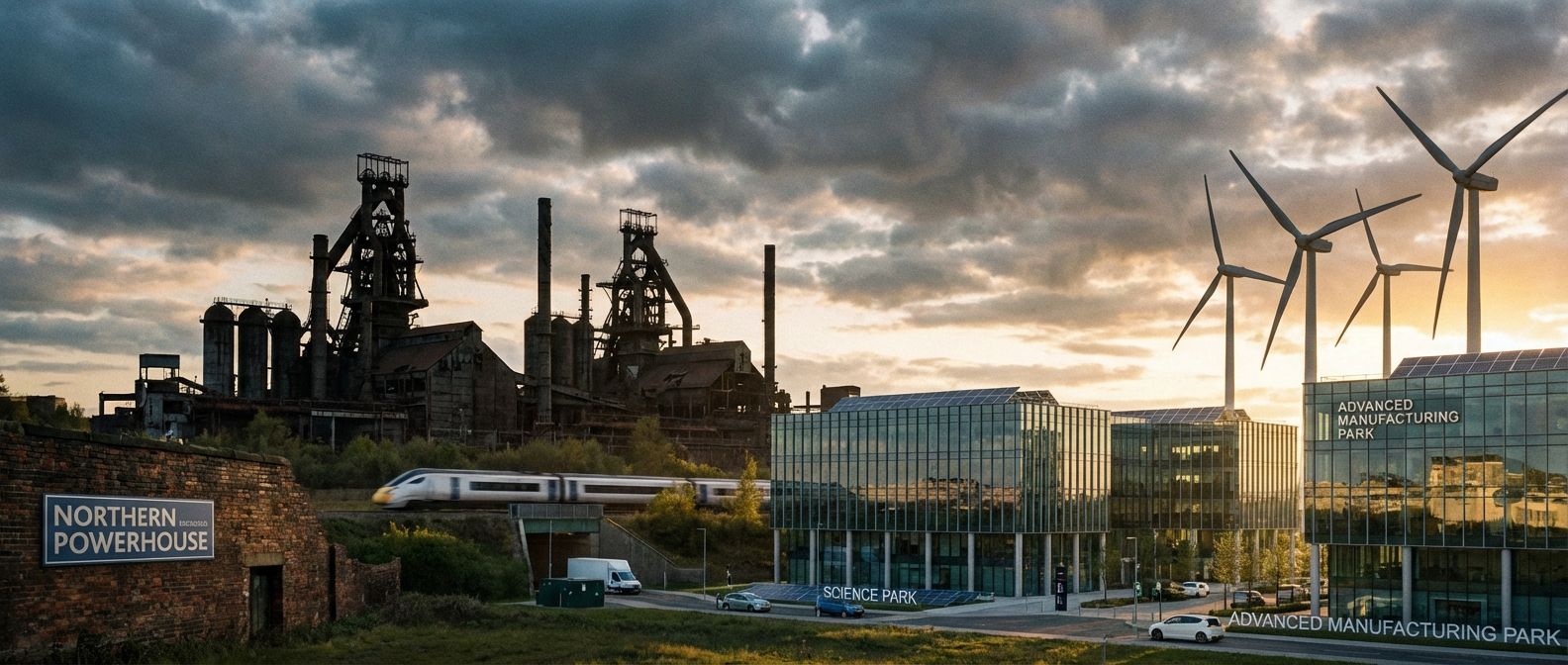
AQA GCSE Geography: Paper 2 - The UK Economy
Learn about the changing UK economy. This deck covers the move to a post-industrial economy, the development of science and business parks, the impacts of industry on the environment, and the UK's changing political and trading relationships.
AQA GCSE Geography: Paper 2 - The Challenge of Resource Management
Learn about the importance of food, water, and energy as essential resources. This deck provides an overview of global inequalities in the supply and consumption of these resources.
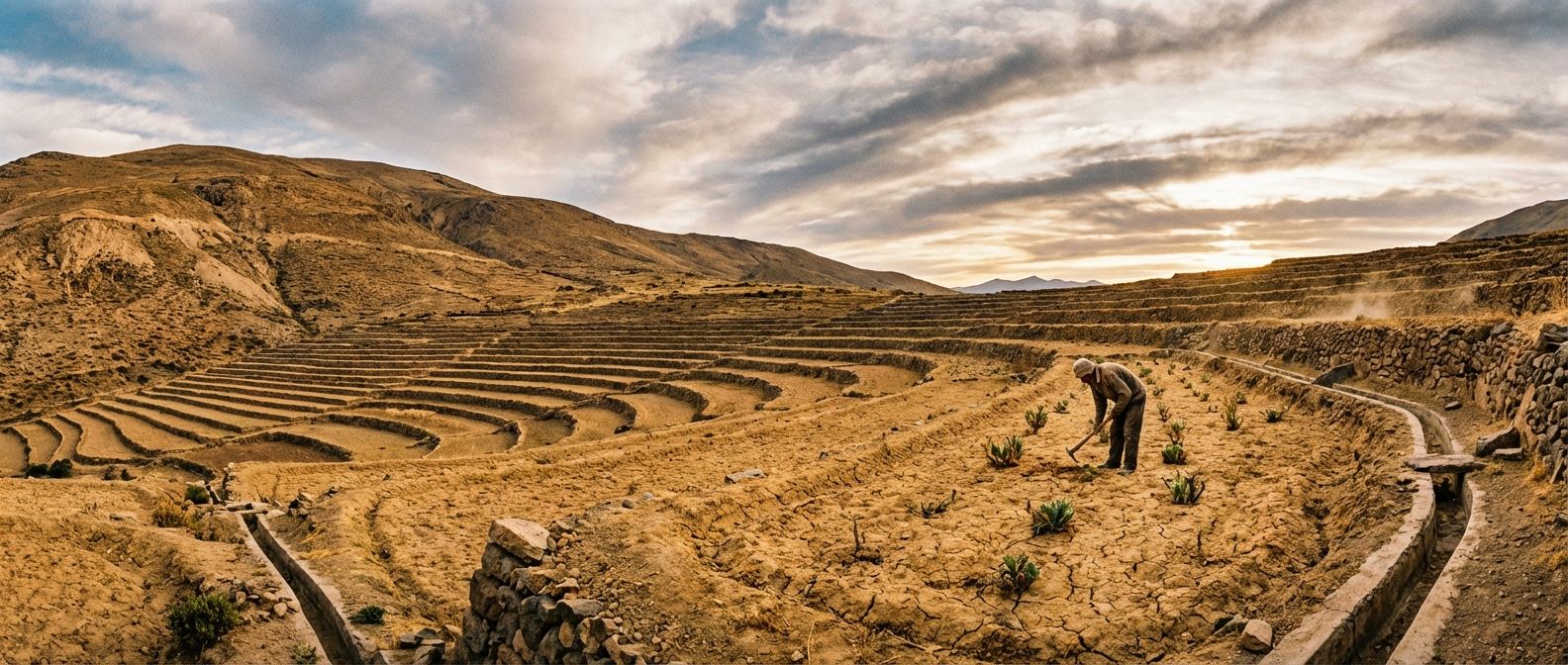
AQA GCSE Geography: Paper 2 (Optional) - Resource Management: Food
This is an optional topic. Check with your teacher before studying. Learn about global patterns of food supply and consumption, the causes and impacts of food insecurity, and strategies to increase food supply.
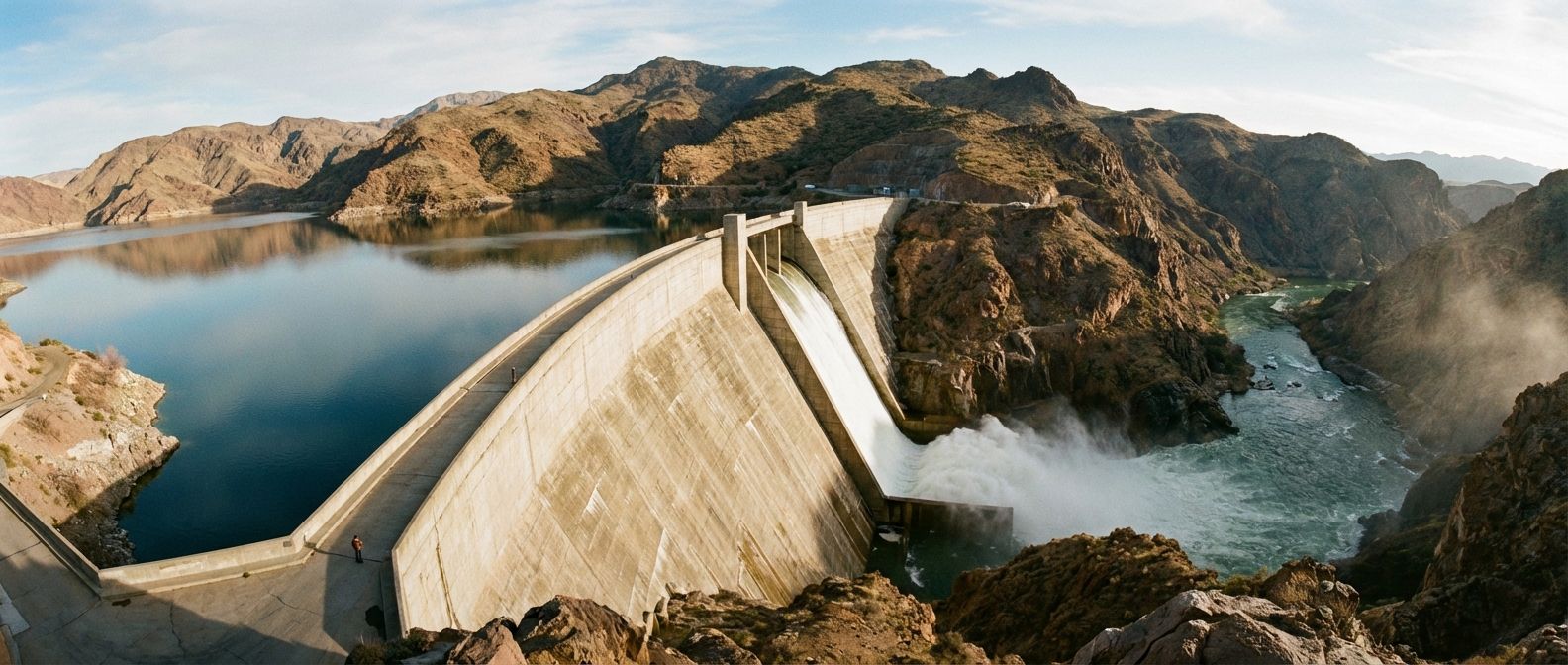
AQA GCSE Geography: Paper 2 (Optional) - Resource Management: Water
This is an optional topic. Check with your teacher before studying. Learn about global patterns of water supply and demand, the causes and impacts of water insecurity, and strategies to increase water supply.
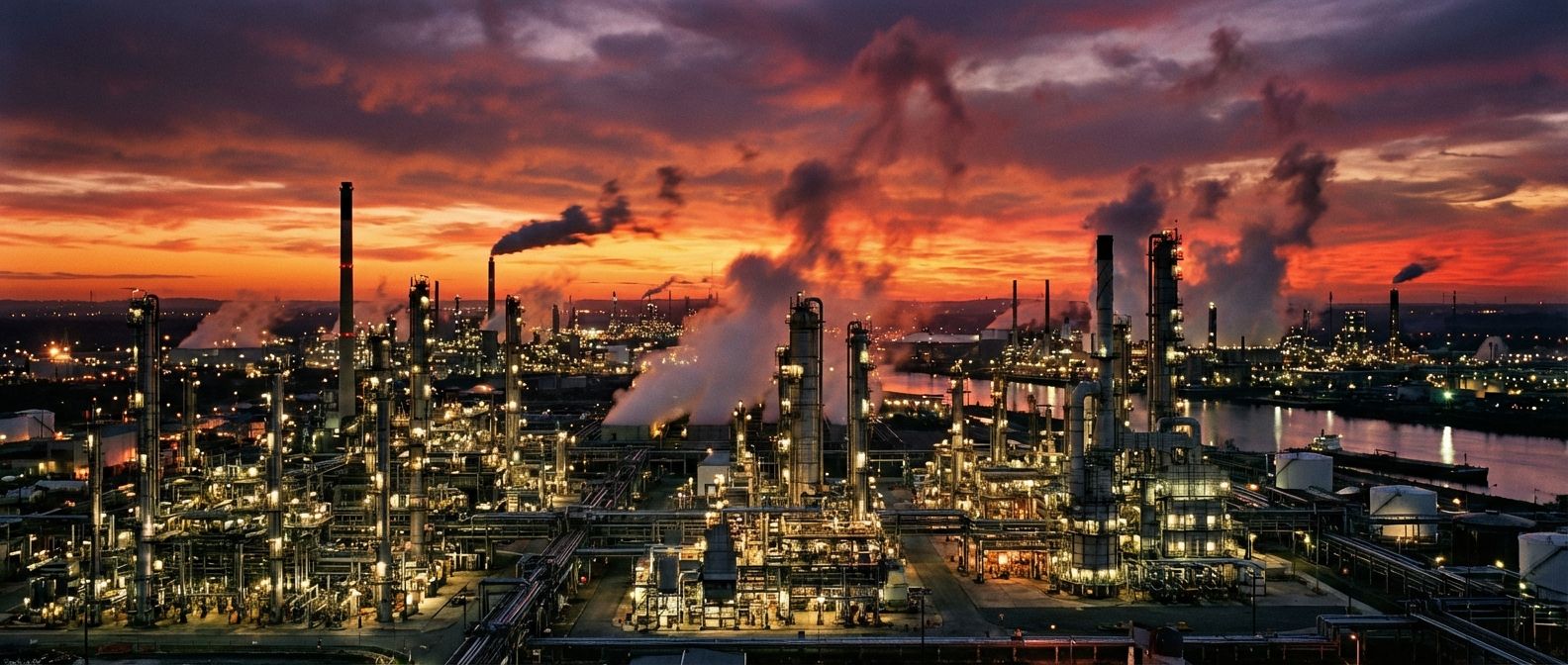
AQA GCSE Geography: Paper 2 (Optional) - Resource Management: Energy
This is an optional topic. Check with your teacher before studying. Learn about global patterns of energy supply and consumption, the causes and impacts of energy insecurity, and strategies to increase energy supply sustainably.
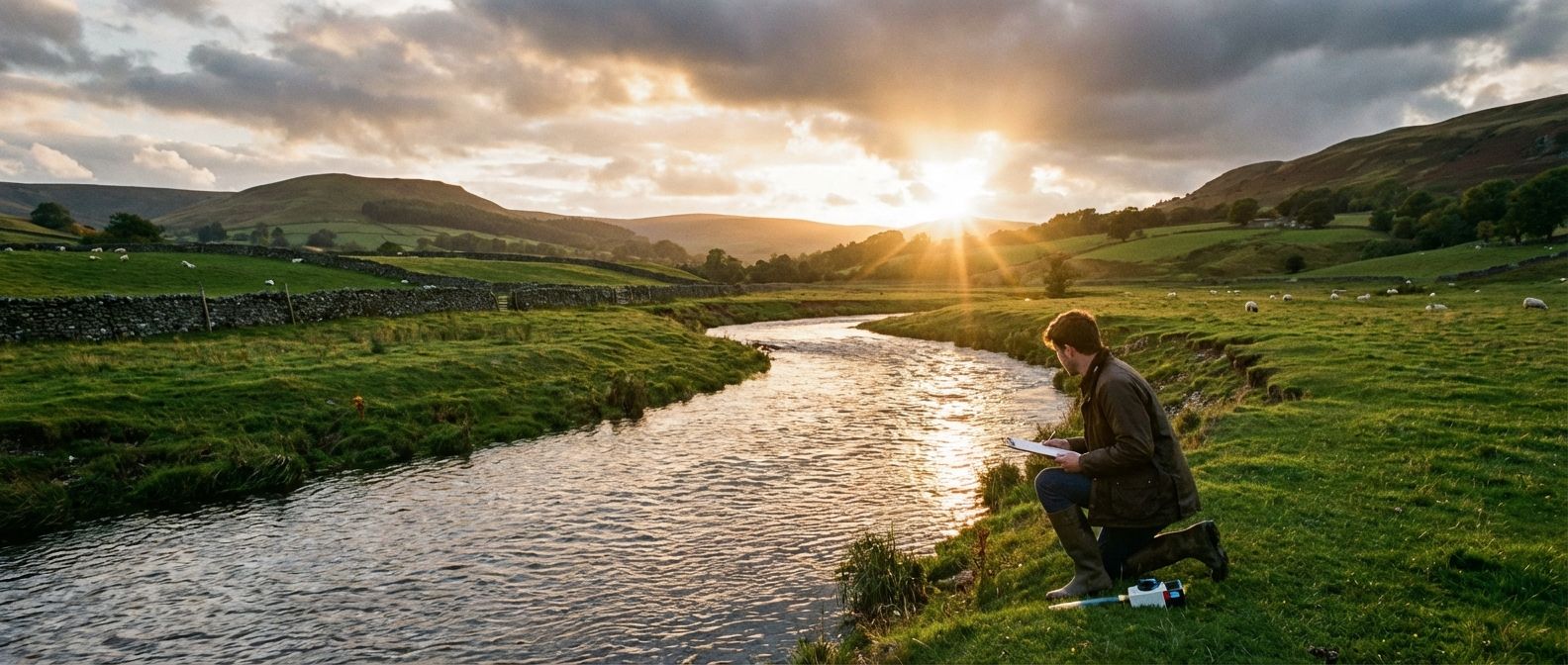
AQA GCSE Geography: Paper 3 - The Geographical Enquiry Process
Learn the theoretical stages of a geographical enquiry, which forms the basis of your two compulsory fieldwork investigations. This deck covers formulating questions, data collection methods, data presentation, analysis, and conclusion.
AQA GCSE Geography: Paper 3 - Applying Fieldwork Skills
Learn how to apply your knowledge of the enquiry process to both human and physical geography fieldwork contexts. This deck covers common methods for data collection, presentation, and analysis that you will be tested on in the exam.
AQA GCSE Geography: Paper 3 - Mastering Issue Evaluation
Learn the skills needed to succeed in the Issue Evaluation section of Paper 3. This deck focuses on how to analyse the pre-release resources booklet, form a reasoned argument, and make a justified decision on a geographical issue.
AQA GCSE Geography: Exam Technique - Master Command Words
Learn the precise meaning of AQA command words to ensure your exam answers directly address the question. This deck covers key terms like 'Describe', 'Explain', 'Assess', 'Evaluate', and 'To what extent'.

AQA GCSE Geography: Exam Technique - Structure High-Mark Answers
Learn the essential exam techniques for structuring high-mark answers in AQA GCSE Geography. This deck breaks down the PEE method for 6-mark 'explain' questions and the balanced argument structure for 9-mark 'evaluate' or 'assess' questions, helping you access the top levels of the mark scheme.
Learn GCSE Geography (AQA) differently
Auracle is an audio-first learning platform built for busy people. Memorize anything without looking at a screen.
Hands-Free Learning
Listen, interact, and review cards entirely through audio. Perfect for commuting, walking, or at the gym.
Spaced Repetition
Auracle uses a scientific algorithm to schedule your reviews at the optimal time, ensuring you never forget what you learn.
Learn how it works