Tutorial

AQA GCSE Chemistry: Reactions of Organic Compounds

Covers the characteristic reactions of alkenes, alcohols, and carboxylic acids. This includes the addition reactions of alkenes with hydrogen, halogens, and water (steam), the combustion and oxidation of alcohols, and the reactions of carboxylic acids as weak acids.
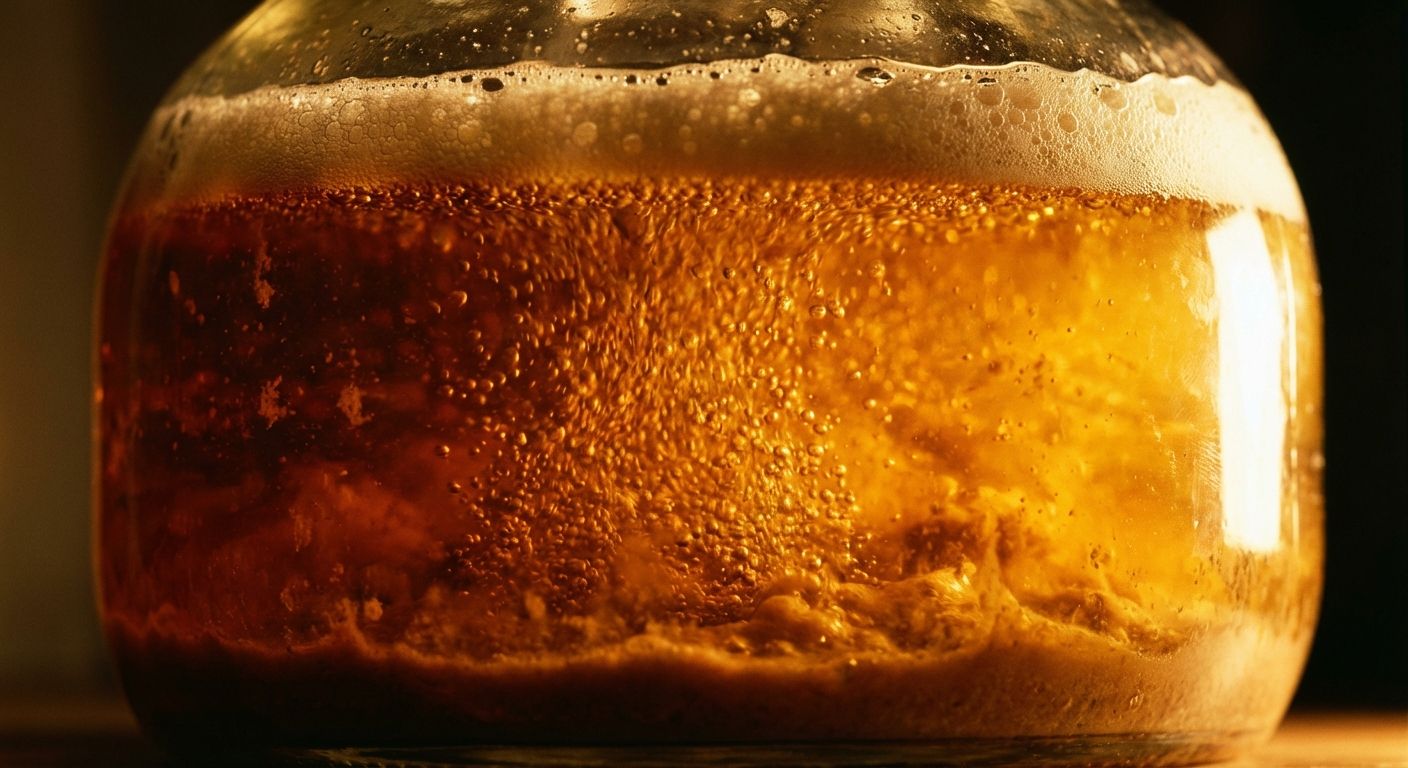
A dramatic, close-up photograph of a deep amber liquid actively fermenting inside a large glass carboy, with a cascade of small bubbles rising vigorously to the surface. The scene is bathed in warm, golden light, highlighting the organic transformation within.

Management & Tools

Deck Contents

38 Cards
Lesson#1
In this deck, we'll explore the characteristic reactions of three important families of organic compounds: alkenes, alcohols, and carboxylic acids. You'll learn how to distinguish between alkanes and alkenes, how ethanol is made and used, and how carboxylic acids behave as weak acids.
Lesson#2
Let's start with alkenes. Unlike alkanes, which have only single carbon-carbon bonds, alkenes have at least one carbon-carbon double bond. This double bond is the key to their chemistry. It's an area of high electron density, making alkenes much more reactive than alkanes because the double bond can open up and allow other atoms to add on.
Quiz#3
What type of carbon-carbon bond makes alkenes more reactive than alkanes?

A double bond

Lesson#4
The main type of reaction that alkenes undergo is called an addition reaction. In an addition reaction, the carbon-carbon double bond breaks, and a new molecule is added across the two carbon atoms. This turns the unsaturated alkene into a saturated compound with only single bonds.
Quiz#5
What is the name for the type of reaction where a molecule adds across an alkene's double bond?

Addition reaction

Lesson#6
Because alkenes undergo addition reactions and alkanes don't, we can use this difference to test for them. The test uses bromine water, which is an orange-coloured solution. If you shake an alkene with bromine water, an addition reaction happens. The bromine adds across the double bond, and the orange colour of the bromine water disappears, becoming colourless. If you do the same with an alkane, nothing happens, and the solution stays orange.

Login to View Content

Create a free account or log in to see all 38 cards and start studying this deck.

Learn AQA GCSE Chemistry: Reactions of Organic Compounds differently

Auracle is an audio-first learning platform built for busy people. Memorize anything without looking at a screen.

Hands-Free Learning

Listen, interact, and review cards entirely through audio. Perfect for commuting, walking, or at the gym.

Spaced Repetition

Auracle uses a scientific algorithm to schedule your reviews at the optimal time, ensuring you never forget what you learn.

Learn how it works

Ready to start the AQA GCSE Chemistry: Reactions of Organic Compounds audio deck?