GCSE Chemistry (AQA): Paper 2
All the content for your AQA GCSE Chemistry Paper 2 exam. Rates of reaction, organic chemistry, chemical analysis, atmosphere, and resources – it's all in here.
GCSE Chemistry (AQA): Paper 2
All the content for your AQA GCSE Chemistry Paper 2 exam. Rates of reaction, organic chemistry, chemical analysis, atmosphere, and resources – it's all in here.
Decks in this Course
14 items
AQA GCSE Chemistry: Rates of Reaction
Covers all AQA specification points on rates of reaction, including how to calculate them from graphs, the factors that affect them (concentration, pressure, temperature, surface area, catalysts), and how to explain these effects using collision theory. Includes the required practical on investigating the effect of concentration on reaction rate.

AQA GCSE Chemistry: Reversible Reactions and Equilibrium
Covers reversible reactions, dynamic equilibrium, and Le Chatelier's principle. This includes explaining the concept of equilibrium in a closed system and predicting how changes in temperature, pressure, and concentration will affect the position of equilibrium.
AQA GCSE Chemistry: Hydrocarbons and Crude Oil
Covers the fundamentals of organic chemistry, including crude oil as a source of hydrocarbons, the process of fractional distillation, the properties of alkanes, and the process of cracking to produce more useful alkanes and alkenes.
AQA GCSE Chemistry: Reactions of Organic Compounds
Covers the characteristic reactions of alkenes, alcohols, and carboxylic acids. This includes the addition reactions of alkenes with hydrogen, halogens, and water (steam), the combustion and oxidation of alcohols, and the reactions of carboxylic acids as weak acids.

AQA GCSE Chemistry: Polymers
Covers the formation of polymers through addition and condensation polymerisation. This includes drawing repeating units for addition polymers and understanding the formation of polyesters and polyamides (Higher Tier only) through condensation polymerisation.

AQA GCSE Chemistry: Naturally Occurring Polymers
Covers the structure of naturally occurring polymers, including amino acids forming proteins (polypeptides), and the basic structure of DNA as a polymer made from four different nucleotide monomers.
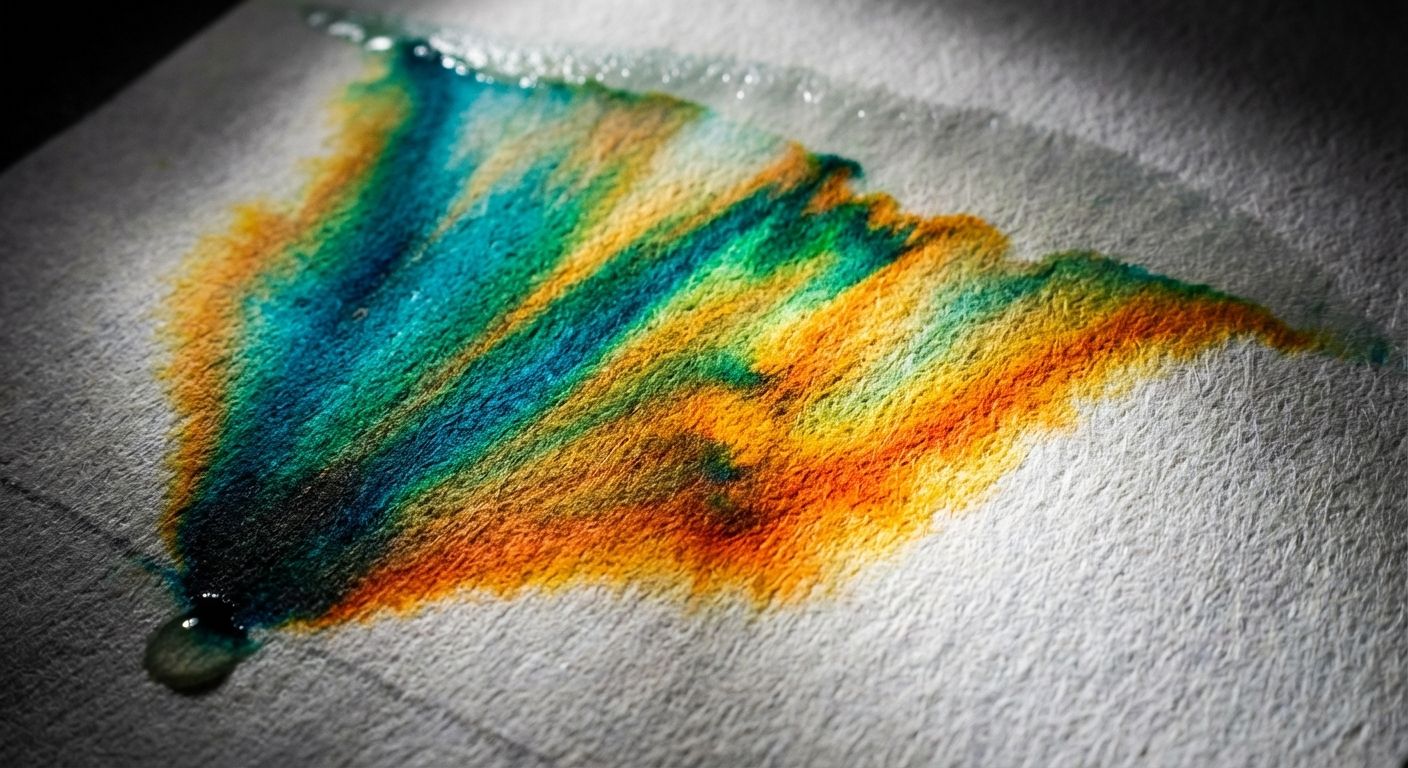
AQA GCSE Chemistry: Purity and Chromatography
Covers the chemical definitions of pure substances and mixtures, the concept of formulations, and the technique of paper chromatography. Includes the required practical on using chromatography to separate mixtures and calculating Rf values.
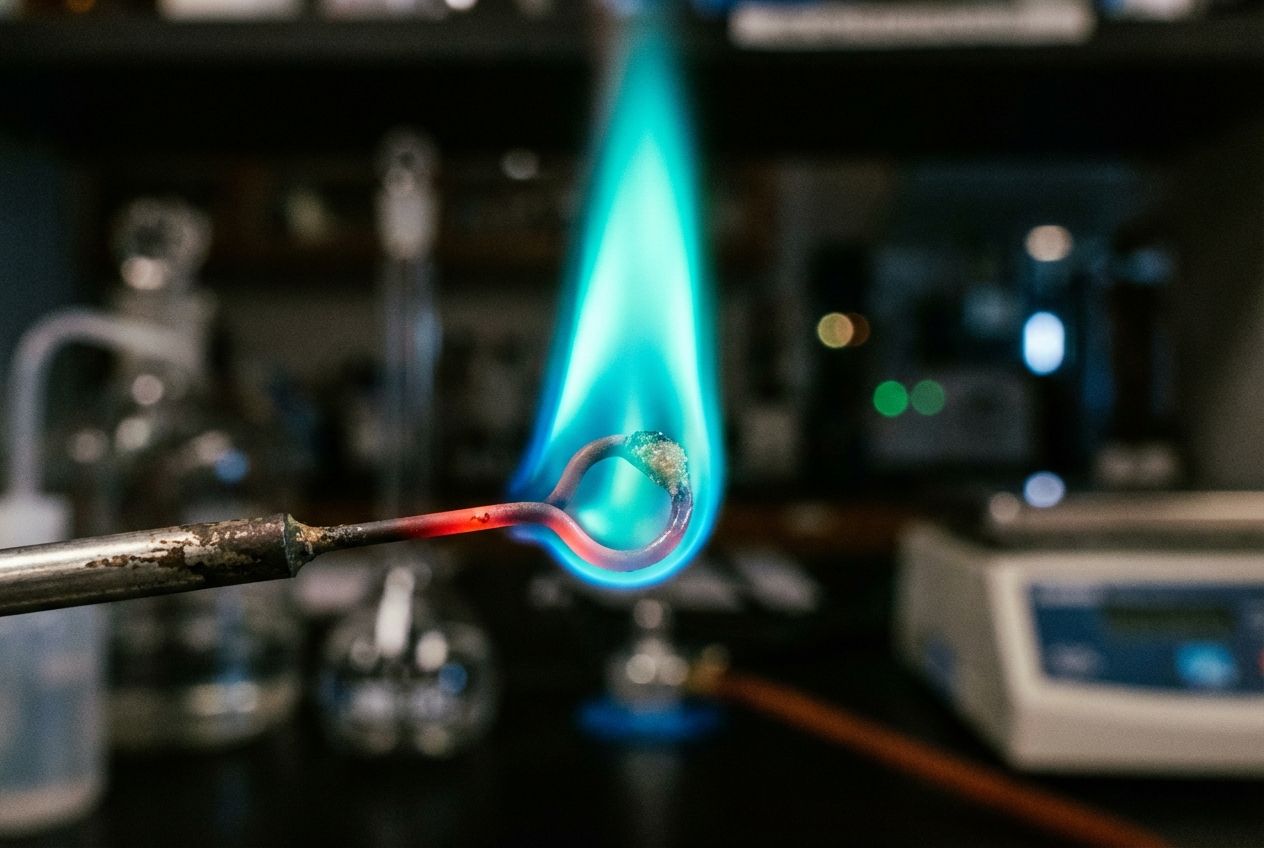
AQA GCSE Chemistry: Identifying Gases and Metal Ions
Covers the standard laboratory tests to identify common gases (hydrogen, oxygen, carbon dioxide, chlorine) and the use of flame tests to identify common metal cations (lithium, sodium, potassium, calcium, copper).
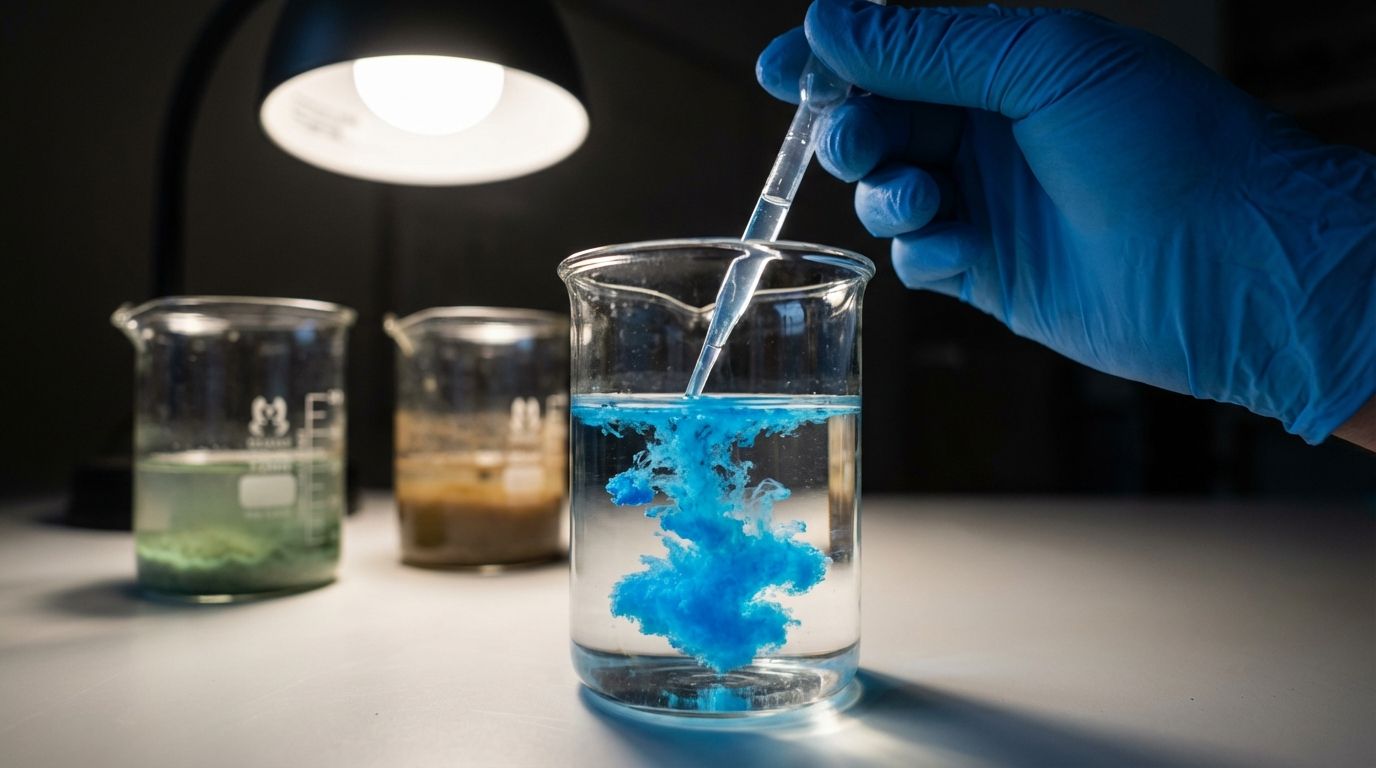
AQA GCSE Chemistry: Identifying Anions and Precipitates
Covers chemical tests for metal cations using sodium hydroxide to form precipitates, and tests for anions including carbonates, halides, and sulfates. Includes the required practical on using these tests to identify the ions in an unknown single ionic compound.

AQA GCSE Chemistry: The Evolving Atmosphere
Covers the composition of the modern atmosphere and theories about the evolution of the Earth's early atmosphere. This includes the role of volcanoes, the formation of oceans, and the increase in oxygen and decrease in carbon dioxide due to photosynthesis.
AQA GCSE Chemistry: Climate Change and Pollutants
Covers greenhouse gases and their role in maintaining Earth's temperature, the link between human activities and enhanced global warming, the potential consequences of climate change, and the formation and effects of common atmospheric pollutants from burning fuels.
AQA GCSE Chemistry: Water Treatment and Analysis
Covers the importance of potable water, methods for producing it from fresh and salt water (desalination), and the stages of waste water treatment. Includes the required practical on the analysis and purification of water samples.

AQA GCSE Chemistry: Sustainable Resources and LCAs
Covers the use of Earth's resources and sustainable development, the principles of Life Cycle Assessments (LCAs) to assess environmental impact, methods for reducing resource use (reduce, reuse, recycle), and alternative methods of metal extraction like phytomining and bioleaching.
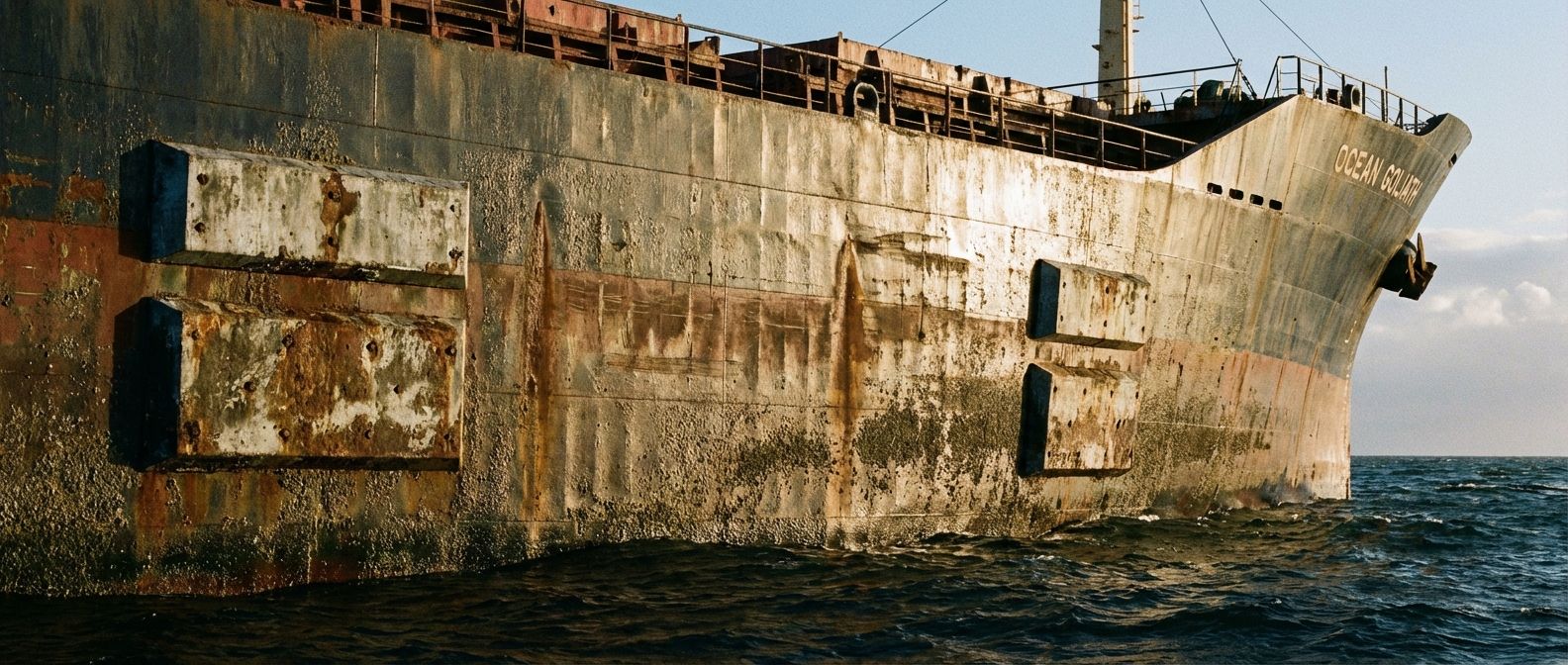
AQA GCSE Chemistry: Materials and Their Properties
Covers the corrosion of metals, specifically the rusting of iron, and methods of prevention. It also explores the properties and uses of alloys, ceramics, polymers, and composites.
Learn GCSE Chemistry (AQA): Paper 2 differently
Auracle is an audio-first learning platform built for busy people. Memorize anything without looking at a screen.
Hands-Free Learning
Listen, interact, and review cards entirely through audio. Perfect for commuting, walking, or at the gym.
Spaced Repetition
Auracle uses a scientific algorithm to schedule your reviews at the optimal time, ensuring you never forget what you learn.
Learn how it works