Tutorial

AQA GCSE Chemistry: Master Chemical Bonding (Ionic, Covalent, Metallic)

Covers the three main types of chemical bonding: ionic (transfer of electrons), covalent (sharing of electrons), and metallic (delocalised electrons). Includes understanding representations like dot and cross diagrams.
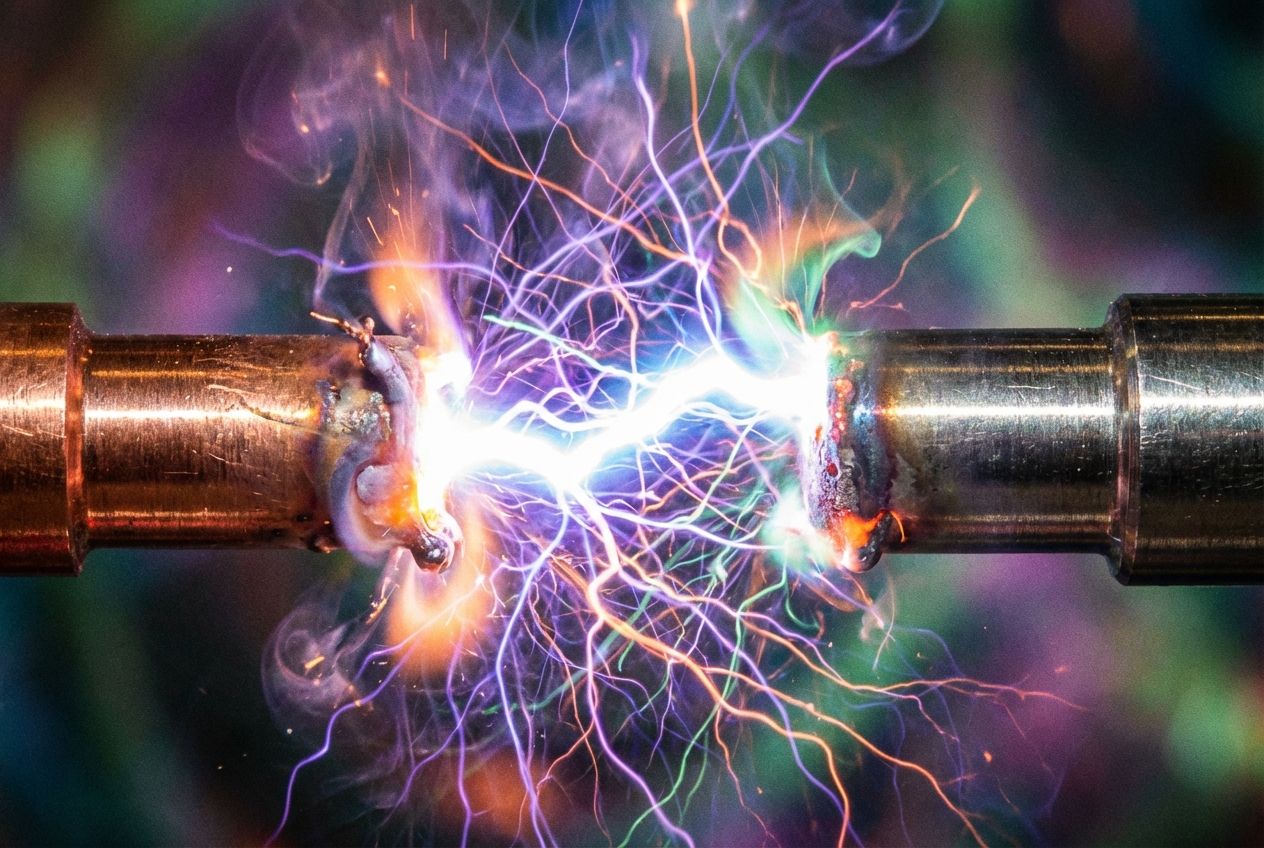
A close-up, dramatic photograph of an intense electrical arc leaping between two distinct, polished metallic electrodes, with intricate, glowing energy pathways intertwining and branching out from the central arc. The entire scene is bathed in a vibrant, ethereal glow, creating a sense of powerful connection and dynamic forces at play, composed for a 3:2 landscape frame.

Management & Tools

Deck Contents

36 Cards
Lesson#1
In this deck, we'll explore the fascinating world of chemical bonding. You'll learn about the three main types: ionic, covalent, and metallic. We'll discover how atoms join together by transferring, sharing, or delocalising their electrons. Understanding bonding is the key to explaining why different substances have such different properties. By the end, you'll be able to explain how each type of bond forms and how to represent them.
Lesson#2
So, why do atoms form chemical bonds in the first place? It's all about stability. As you learned in the topic on atomic structure, atoms are most stable when they have a full outer shell of electrons, just like the noble gases in Group 0 of the periodic table. To achieve this, atoms will either lose, gain, or share electrons with other atoms. This process of rearranging electrons is what creates a chemical bond.
Quiz#3
To become stable, what do atoms try to achieve for their outer shell of electrons?

a full outer shell

Lesson#4
Let's start with ionic bonding. This type of bonding happens between a metal and a non-metal. Metals, which are on the left side of the periodic table, have only a few electrons in their outer shell. It's easiest for them to lose these electrons to get a full outer shell. Non-metals, on the right side, have outer shells that are nearly full. It's easiest for them to gain electrons to complete their shell. Ionic bonding is all about the transfer of electrons from a metal to a non-metal.
Quiz#5
What two types of elements are involved in ionic bonding?

a metal and a non-metal

Quiz#6
In chemical bonding, what is the term for the complete movement of electrons from one atom to another?

transfer

Login to View Content

Create a free account or log in to see all 36 cards and start studying this deck.

Learn AQA GCSE Chemistry: Master Chemical Bonding (Ionic, Covalent, Metallic) differently

Auracle is an audio-first learning platform built for busy people. Memorize anything without looking at a screen.

Hands-Free Learning

Listen, interact, and review cards entirely through audio. Perfect for commuting, walking, or at the gym.

Spaced Repetition

Auracle uses a scientific algorithm to schedule your reviews at the optimal time, ensuring you never forget what you learn.

Learn how it works

Ready to start the AQA GCSE Chemistry: Master Chemical Bonding (Ionic, Covalent, Metallic) audio deck?