GCSE Chemistry (AQA): Paper 1
This is everything you need for AQA GCSE Chemistry Paper 1, from atomic structure and bonding right through to quantitative chemistry and energy changes. All Higher Tier content is included.
GCSE Chemistry (AQA): Paper 1
This is everything you need for AQA GCSE Chemistry Paper 1, from atomic structure and bonding right through to quantitative chemistry and energy changes. All Higher Tier content is included.
Decks in this Course
20 items
AQA GCSE Chemistry: Understand Atomic Structure
Covers the modern nuclear model of the atom, the properties of protons, neutrons, and electrons, and how to determine their numbers in atoms and ions. Also covers isotopes, relative atomic mass, and electronic structure.

AQA GCSE Chemistry: Navigate the Periodic Table
Covers the arrangement of the periodic table by atomic number, the work of Mendeleev, and the location of metals and non-metals. Explains how an element's position relates to its electronic structure.

AQA GCSE Chemistry: Explain Group Properties (0, 1, and 7)
Covers the properties and trends in reactivity for Group 1 (Alkali Metals), Group 7 (Halogens), and Group 0 (Noble Gases), linking these properties to their electronic structures.
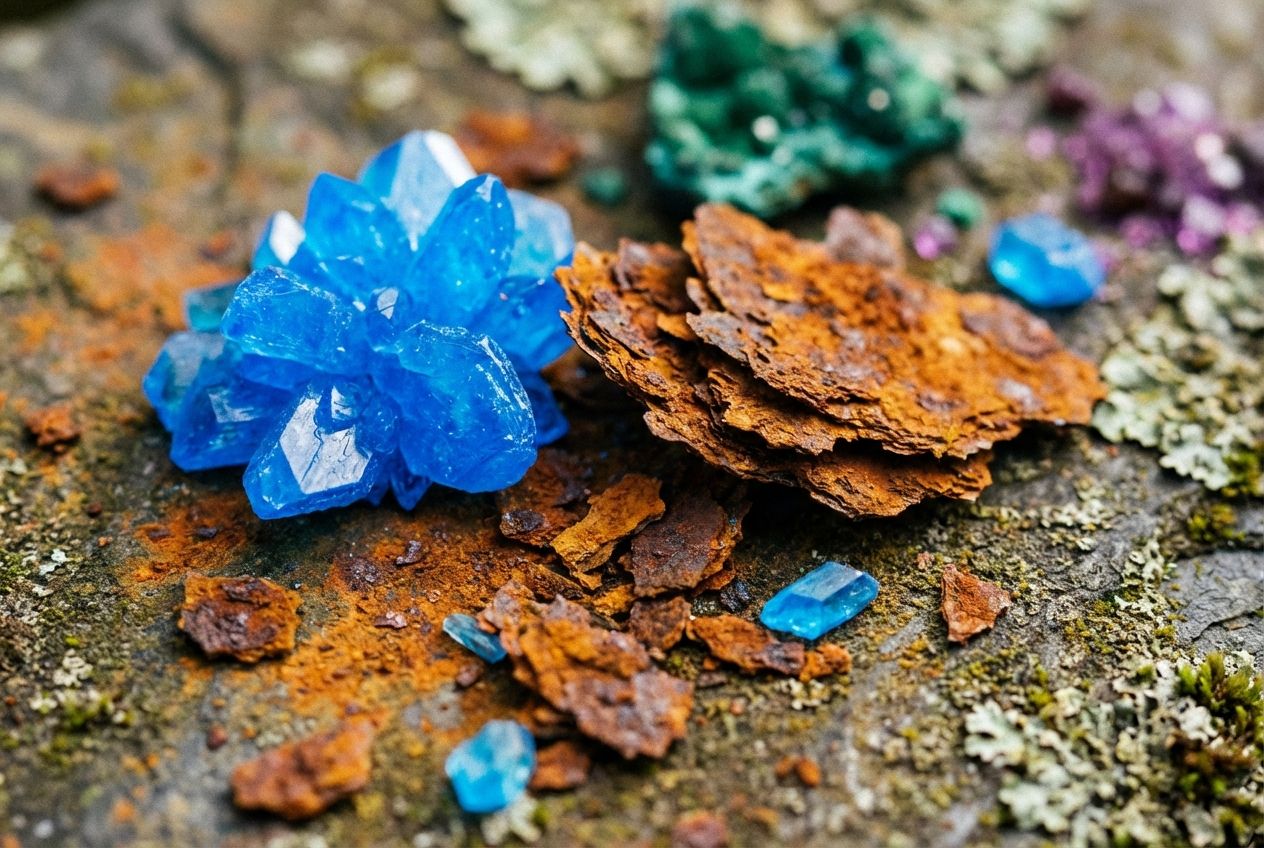
AQA GCSE Chemistry: Identify Properties of Transition Metals
This deck covers the typical properties of transition metals, such as high density, high melting points, and low reactivity. It focuses on their special characteristics, including their roles as catalysts, their ability to form ions with different charges, and their formation of coloured compounds, comparing them throughout with Group 1 metals.
AQA GCSE Chemistry: Master Chemical Bonding (Ionic, Covalent, Metallic)
Covers the three main types of chemical bonding: ionic (transfer of electrons), covalent (sharing of electrons), and metallic (delocalised electrons). Includes understanding representations like dot and cross diagrams.
AQA GCSE Chemistry: Link Structure to Properties
Explains how the type of bonding and structure determines the physical properties (melting point, boiling point, conductivity) of a substance. Covers ionic compounds, small molecules, polymers, giant covalent structures, and metals/alloys.
AQA GCSE Chemistry: Explore Carbon Allotropes and Nanoparticles
Covers the structure and properties of diamond, graphite, graphene, and fullerenes. Also introduces nanoparticles, their properties based on a high surface area to volume ratio, and their uses and risks.

AQA GCSE Chemistry: Calculate Relative Formula Mass and Understand Conservation of Mass
Covers the law of conservation of mass, balancing simple symbol equations, and calculating relative formula mass (Mr). Explains apparent mass changes in non-enclosed systems involving gases.
AQA GCSE Chemistry: Use Moles in Calculations (Higher Tier)
Introduces the mole as a unit for the amount of substance. Covers calculations using mass, Mr, and moles. Explains how to use moles to balance equations and determine the limiting reactant in a reaction.
AQA GCSE Chemistry: Calculate Concentration, Yield, and Atom Economy
Covers how to calculate the concentration of a solution in grams per decimetre cubed. Introduces and explains how to calculate percentage yield and atom economy for a chemical reaction.
AQA GCSE Chemistry: Master Molar Solutions and Gas Volumes (Higher Tier)
Covers calculating concentration in moles per decimetre cubed and converting between mol/dm³ and g/dm³. Also covers calculations involving the volume of gases, using the molar gas volume.

AQA GCSE Chemistry: Understand the Reactivity Series and Redox
Covers the reactivity series of metals, including their reactions with acid and water. Explains displacement reactions and the extraction of metals. Defines oxidation and reduction in terms of both oxygen and electrons (OILRIG).

AQA GCSE Chemistry: Learn about Acids, Alkalis, and Salt Production
Covers the reactions of acids with metals, metal oxides, metal hydroxides, and metal carbonates to produce salts. Includes the pH scale, neutralisation, and the definition of strong and weak acids in terms of ionisation for Higher Tier students.
AQA GCSE Chemistry: Explain the Process of Electrolysis
Explains the process of electrolysis, including key terms. Covers the prediction of products from the electrolysis of molten ionic compounds and aqueous solutions. Includes writing half equations for reactions at the electrodes (Higher Tier).

AQA GCSE Chemistry: Understand Energy Changes in Reactions
Defines exothermic and endothermic reactions. Covers the interpretation of reaction profiles, including activation energy. Includes calculating overall energy change from bond energies (Higher Tier).

AQA GCSE Chemistry: Explore Chemical Cells and Fuel Cells
Explains how a simple chemical cell is made and how voltage depends on the metals used. Covers the operation of a hydrogen fuel cell, including the reactions at the electrodes and its advantages and disadvantages.

AQA GCSE Chemistry: Required Practical - Making a Soluble Salt
Covers the method for preparing a pure, dry sample of a soluble salt from an insoluble base or carbonate. Includes the reasons for each step, such as using an excess of the base, filtration, and crystallisation.
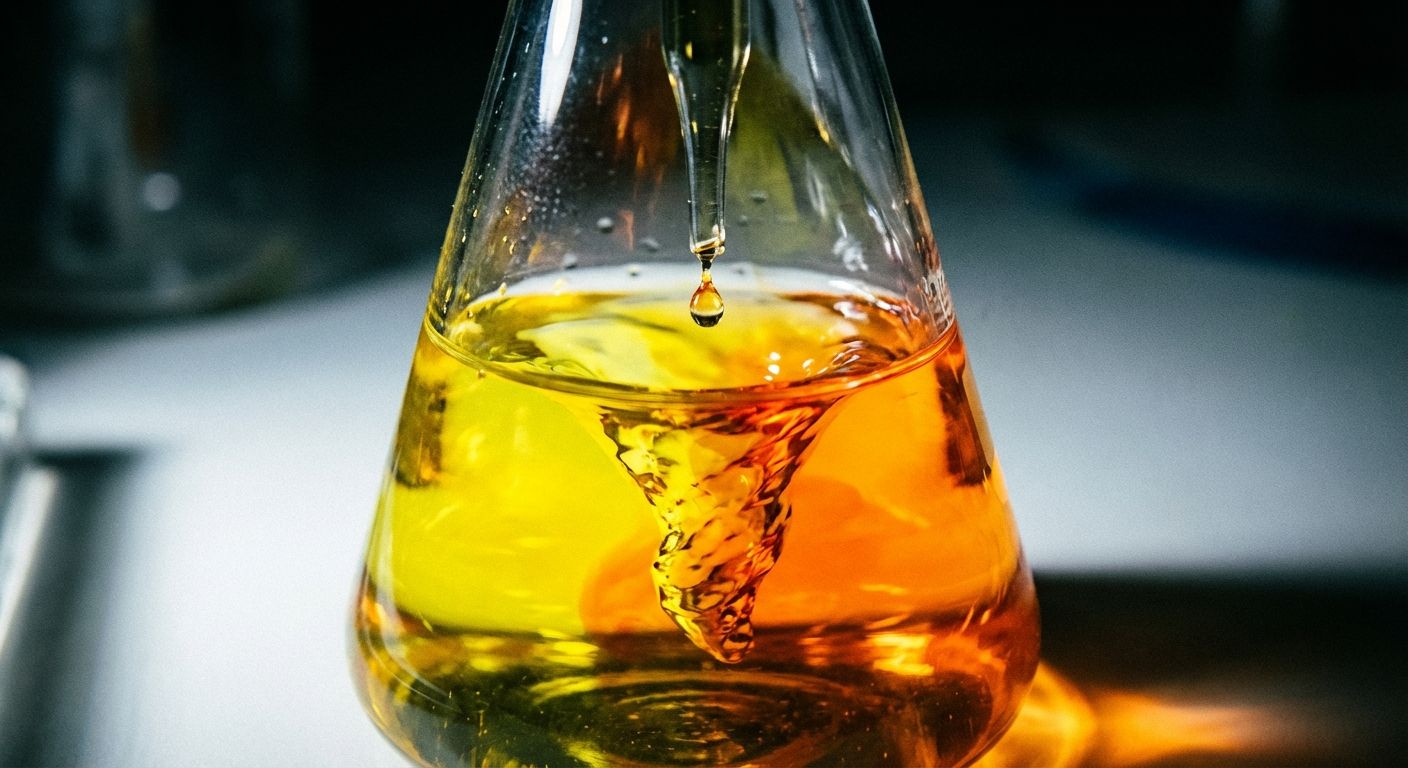
AQA GCSE Chemistry: Required Practical - Titration
Learn the method for the required practical on titration. This deck covers the correct use of a pipette and burette, the role of indicators, how to obtain accurate and reliable results, and the calculations needed to determine the concentration of a solution.
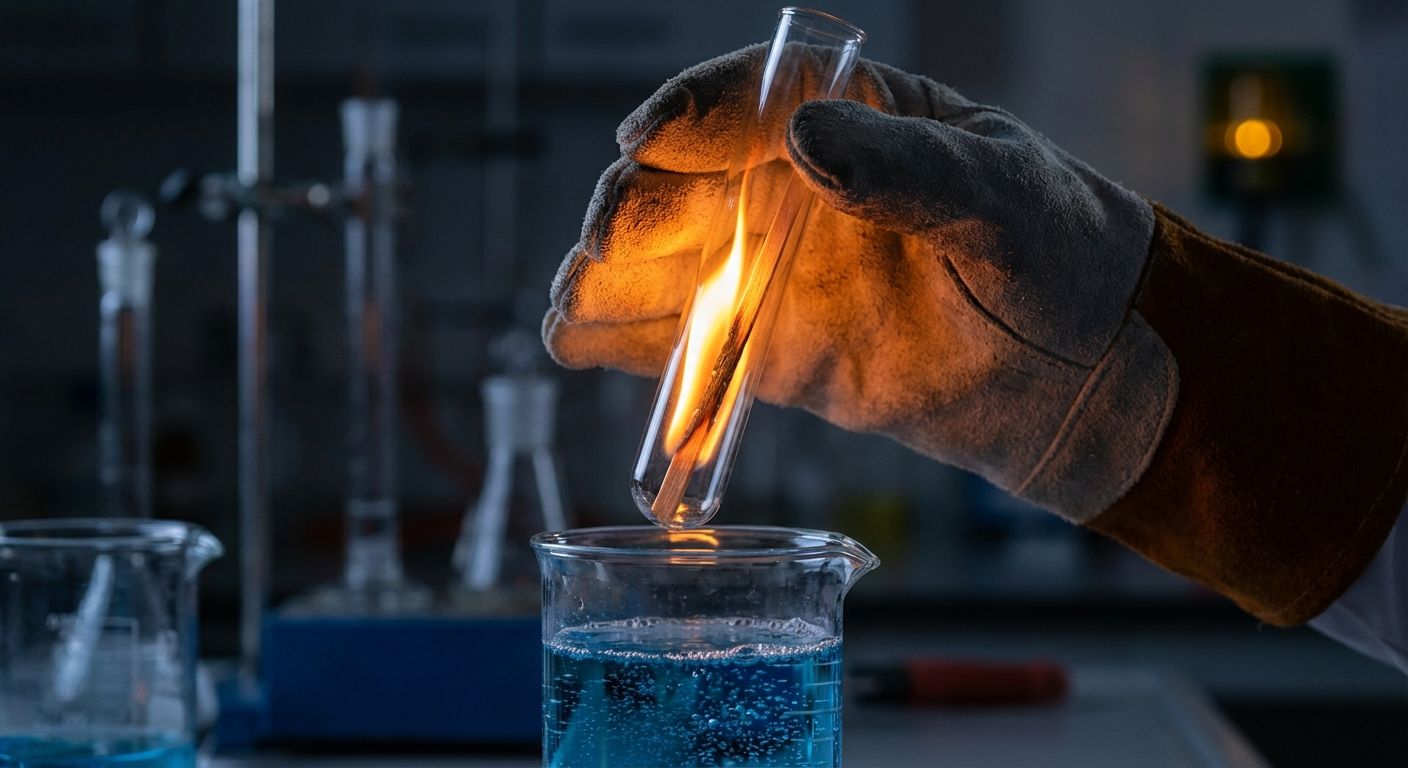
AQA GCSE Chemistry: Required Practical - Electrolysis of Aqueous Solutions
Covers the method for investigating the products of electrolysing different aqueous solutions using inert electrodes. Includes how to set up the apparatus, collect and test any gases produced, and observe changes.
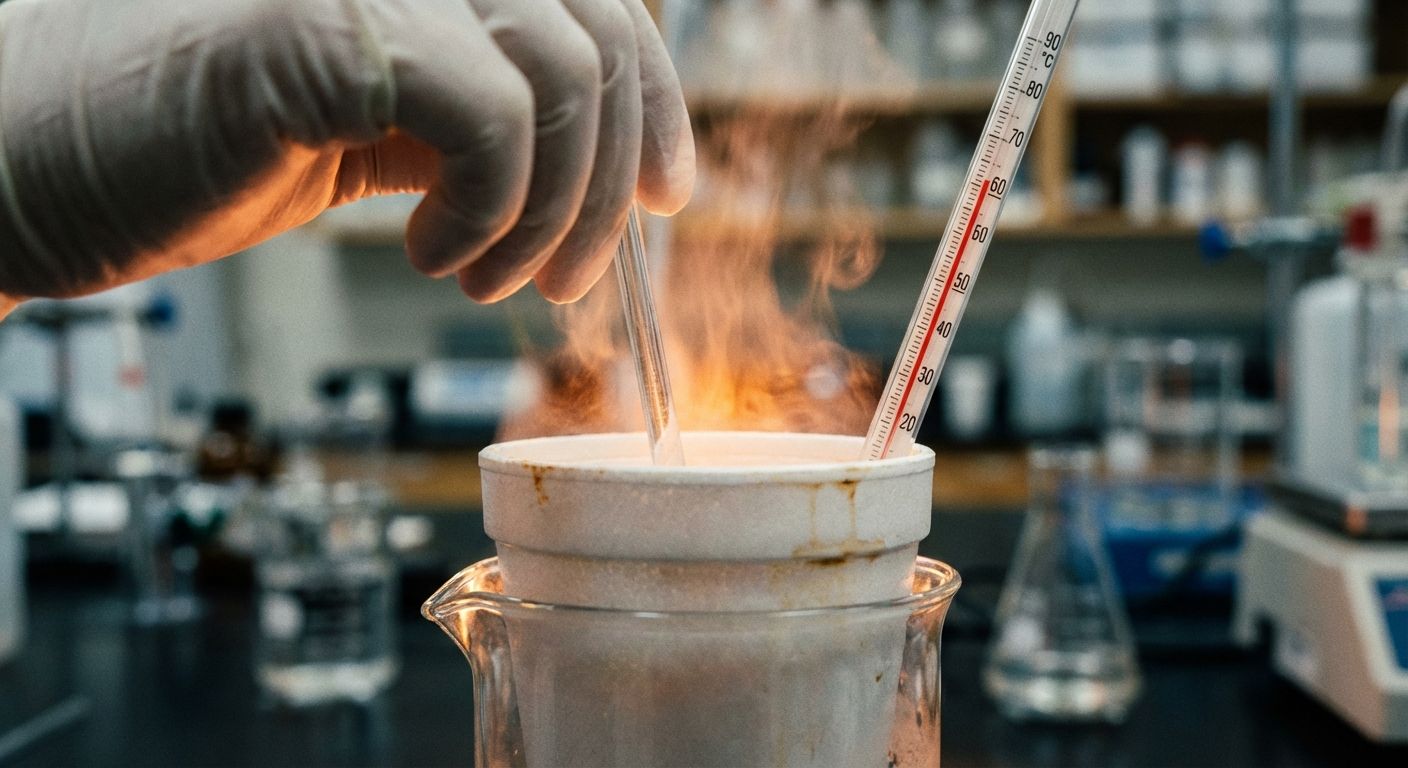
AQA GCSE Chemistry: Required Practical - Investigating Temperature Changes
Covers the method for investigating variables that affect temperature changes in reacting solutions, such as neutralisation. Includes how to measure temperature change accurately and reduce heat loss.
Learn GCSE Chemistry (AQA): Paper 1 differently
Auracle is an audio-first learning platform built for busy people. Memorize anything without looking at a screen.
Hands-Free Learning
Listen, interact, and review cards entirely through audio. Perfect for commuting, walking, or at the gym.
Spaced Repetition
Auracle uses a scientific algorithm to schedule your reviews at the optimal time, ensuring you never forget what you learn.
Learn how it works