Tutorial

AQA GCSE Geography: Paper 1 - Managing Tectonic Hazards

Learn about the different ways tectonic hazards can be managed. This deck covers the four key management strategies: monitoring, prediction, protection, and planning.
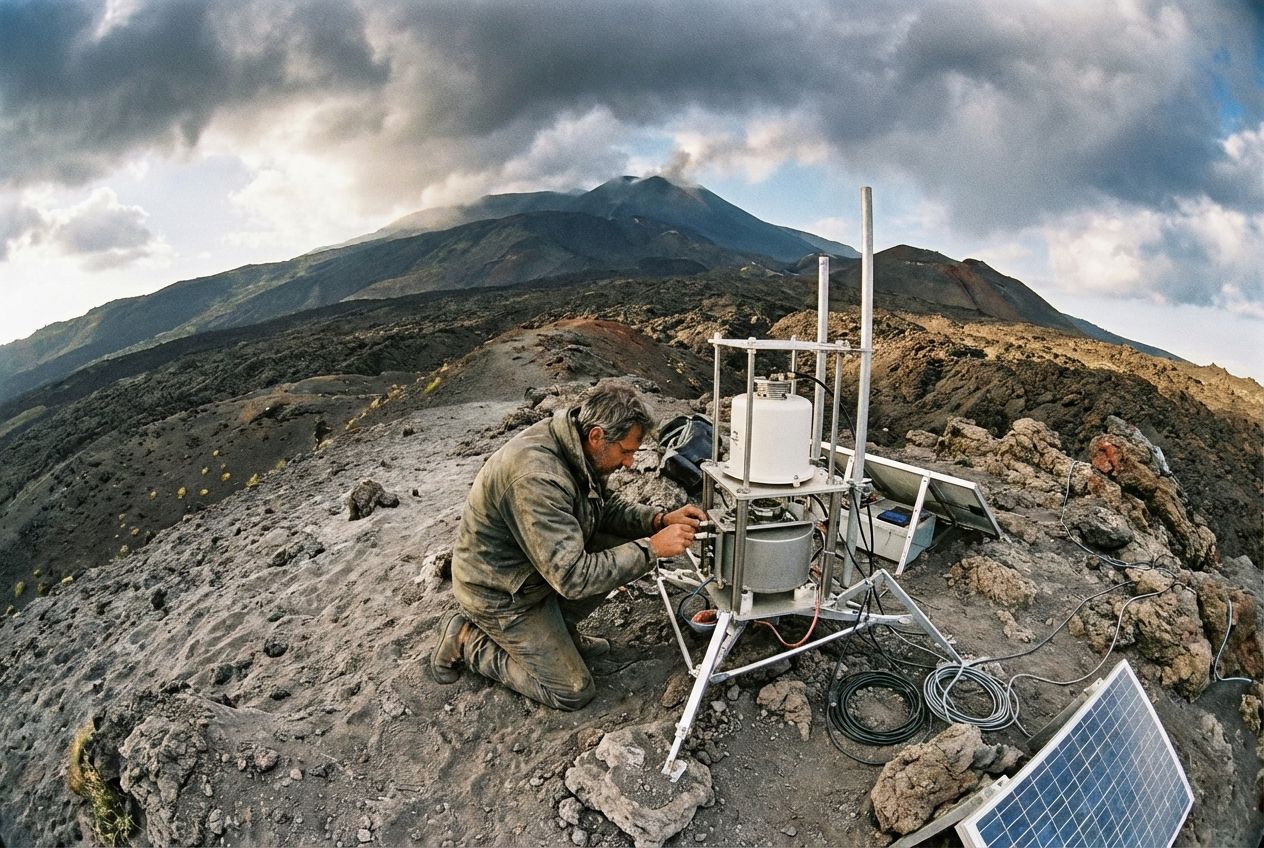
A dramatic wide-angle photograph of a scientist meticulously adjusting a seismometer or tiltmeter on a rugged volcanic slope, with a distant, subtly smoking volcano under a dynamic, cloud-filled sky. The scene captures human ingenuity in monitoring powerful natural forces, composed for a 3:2 landscape frame.

Management & Tools

Deck Contents

33 Cards
Lesson#1
In this deck, we'll explore how people manage the risks from tectonic hazards like earthquakes and volcanoes. To reduce the loss of life and damage, we can use four key strategies, which you can remember as the four Ps: Monitoring, Prediction, Protection, and Planning. We'll look at each one in turn.
Lesson#2
Let's start with monitoring. This involves using scientific instruments to detect the warning signs of a tectonic event. By keeping a close watch on volcanoes and fault lines, scientists can gather data that might indicate an eruption or earthquake is becoming more likely.
Quiz#3
What is the term for using scientific equipment to detect warning signs of a tectonic event?

monitoring

Lesson#4
Monitoring volcanoes is particularly effective. Scientists look for several key signs. For example, a series of small earthquakes under a volcano can be a sign that magma is moving upwards. They also look for changes in the volcano's shape and changes in the gases being released from its vents.
Quiz#5
What instrument is used to detect the small earthquakes that can signal magma movement beneath a volcano?

seismometer

Lesson#6
As magma rises, it can cause the ground on the volcano's slopes to swell or bulge. This is called ground deformation. Scientists use instruments like tiltmeters, which measure the angle of the slope, and GPS satellites to detect these tiny but significant changes.

Login to View Content

Create a free account or log in to see all 33 cards and start studying this deck.

Learn AQA GCSE Geography: Paper 1 - Managing Tectonic Hazards differently

Auracle is an audio-first learning platform built for busy people. Memorize anything without looking at a screen.

Hands-Free Learning

Listen, interact, and review cards entirely through audio. Perfect for commuting, walking, or at the gym.

Spaced Repetition

Auracle uses a scientific algorithm to schedule your reviews at the optimal time, ensuring you never forget what you learn.

Learn how it works

Ready to start the AQA GCSE Geography: Paper 1 - Managing Tectonic Hazards audio deck?