Tutorial

AQA GCSE Biology: Hormones in Human Reproduction

This deck covers the roles of hormones in controlling the menstrual cycle (FSH, LH, oestrogen, and progesterone). It then explores various methods of hormonal and non-hormonal contraception and explains how hormones are used in fertility treatments like IVF.
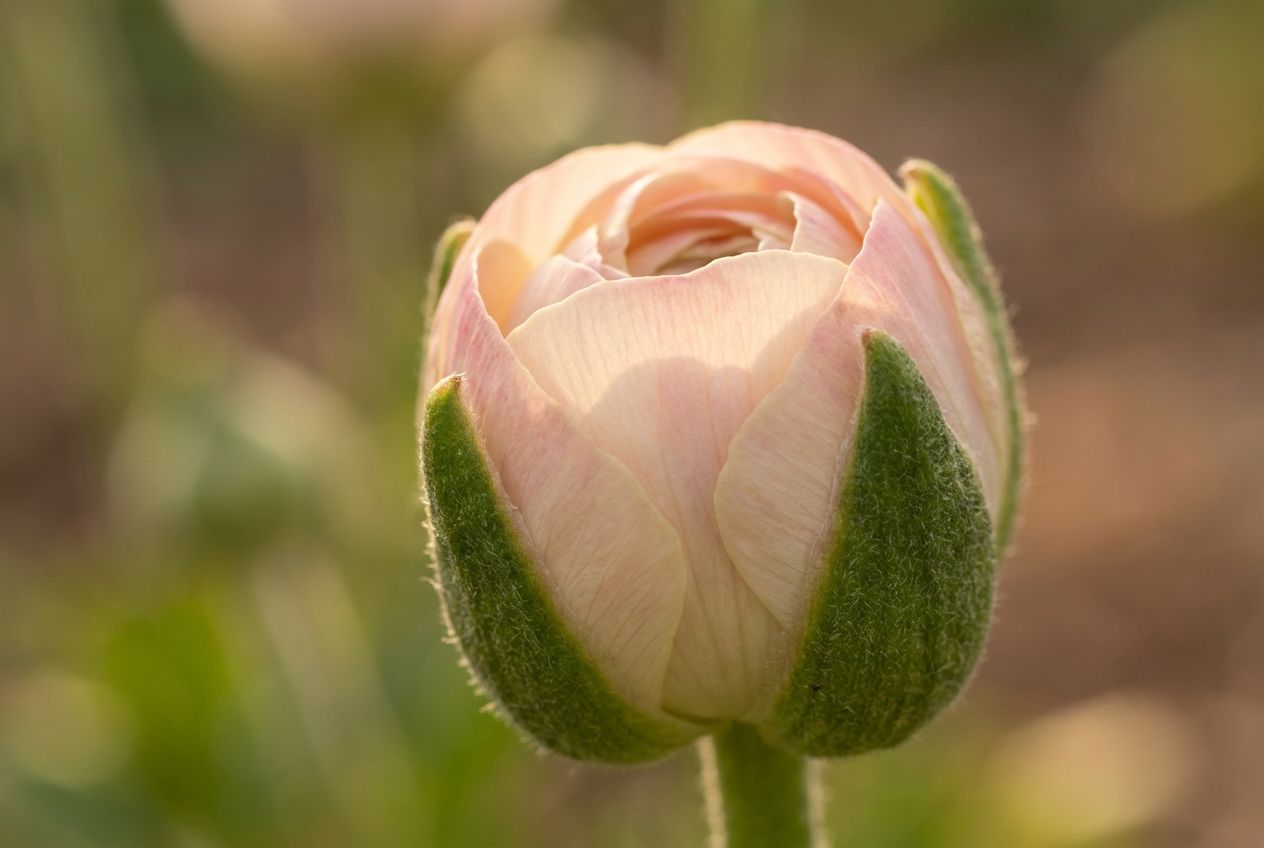
A close-up photograph of a blooming flower bud, still encased in its protective layers, symbolizing the maturing egg within the follicle. Soft, warm lighting highlights the delicate textures and subtle colors, evoking the complex hormonal processes of the menstrual cycle.

Management & Tools

Deck Contents

44 Cards
Lesson#1
In this deck, we'll explore the hormones that control human reproduction. We will start by learning about the four key hormones of the menstrual cycle and how they interact to prepare the body for pregnancy each month. Then, we'll look at how contraception uses hormones to prevent pregnancy. Finally, we'll examine how hormones are used in fertility treatments like IVF to help people have children.
Lesson#2
The menstrual cycle is a complex process controlled by four main hormones. Two of these, FSH and LH, are produced by the pituitary gland in the brain. The other two, oestrogen and progesterone, are produced in the ovaries. These four hormones work together in a coordinated sequence, with the levels of each one rising and falling to control the different stages of the cycle.
Quiz#3
Which gland in the brain produces the hormones FSH and LH?

pituitary gland

Quiz#4
Which two hormones that control the menstrual cycle are produced in the ovaries?

oestrogen and progesterone

Lesson#5
The menstrual cycle begins on day one with menstruation, which is the breakdown of the uterus lining. This is often called having a period. At the same time, the pituitary gland starts to release Follicle-Stimulating Hormone, or FSH. As its name suggests, FSH travels in the blood to the ovaries and causes an egg to start maturing inside a structure called a follicle. FSH also stimulates the ovaries to start producing oestrogen.
Quiz#6
What does the hormone FSH stand for?

follicle-stimulating hormone

Login to View Content

Create a free account or log in to see all 44 cards and start studying this deck.

Learn AQA GCSE Biology: Hormones in Human Reproduction differently

Auracle is an audio-first learning platform built for busy people. Memorize anything without looking at a screen.

Hands-Free Learning

Listen, interact, and review cards entirely through audio. Perfect for commuting, walking, or at the gym.

Spaced Repetition

Auracle uses a scientific algorithm to schedule your reviews at the optimal time, ensuring you never forget what you learn.

Learn how it works

Ready to start the AQA GCSE Biology: Hormones in Human Reproduction audio deck?