GCSE Biology (AQA): Paper 2
All the content for AQA GCSE Biology Paper 2 – homeostasis, genetics, ecology – drilled into your memory. This covers the entire spec, including all Higher Tier material and required practicals.
GCSE Biology (AQA): Paper 2
All the content for AQA GCSE Biology Paper 2 – homeostasis, genetics, ecology – drilled into your memory. This covers the entire spec, including all Higher Tier material and required practicals.
Decks in this Course
22 items
AQA GCSE Biology: Homeostasis & The Nervous System
This deck covers the fundamental principles of homeostasis, including receptors, coordination centres, and effectors. It details the structure and function of the human nervous system, including the CNS, neurones, synapses, and the reflex arc.

AQA GCSE Biology: The Brain & The Eye
This deck focuses on two key sensory and coordination organs: the brain and the eye. It covers the main regions of the brain and their functions, the challenges of studying the brain, the detailed structure of the eye, and the process of accommodation.

AQA GCSE Biology: The Endocrine System & Temperature Control
This deck introduces the endocrine system, comparing hormonal and nervous control. It covers the main endocrine glands and their hormones. It then explains thermoregulation (control of body temperature) as a key example of homeostasis, involving vasodilation, vasoconstriction, and sweating.
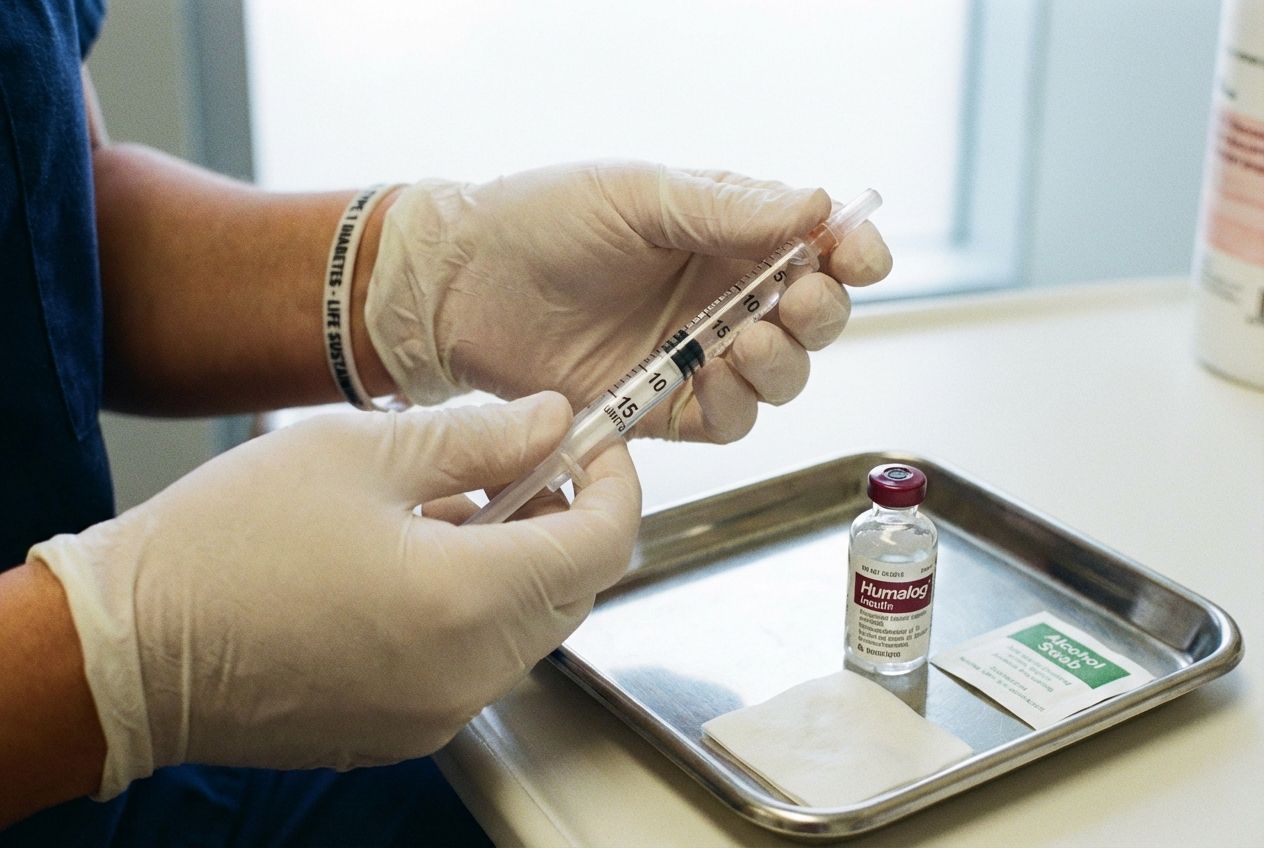
AQA GCSE Biology: Control of Blood Glucose & Water Balance
This deck details two critical homeostatic processes: the control of blood glucose concentration and the maintenance of water and nitrogen balance. It covers the roles of insulin, glucagon, the pancreas, and the liver in blood glucose regulation, including Type 1 and Type 2 diabetes. It also covers the role of the kidneys and the hormone ADH in osmoregulation.
AQA GCSE Biology: Hormones in Human Reproduction
This deck covers the roles of hormones in controlling the menstrual cycle (FSH, LH, oestrogen, and progesterone). It then explores various methods of hormonal and non-hormonal contraception and explains how hormones are used in fertility treatments like IVF.
AQA GCSE Biology: Plant Hormones & Responses
This deck covers how plants respond to their environment using hormones. You will learn about phototropism and gravitropism, the role of auxin, and the commercial uses of plant hormones like gibberellins and ethene.
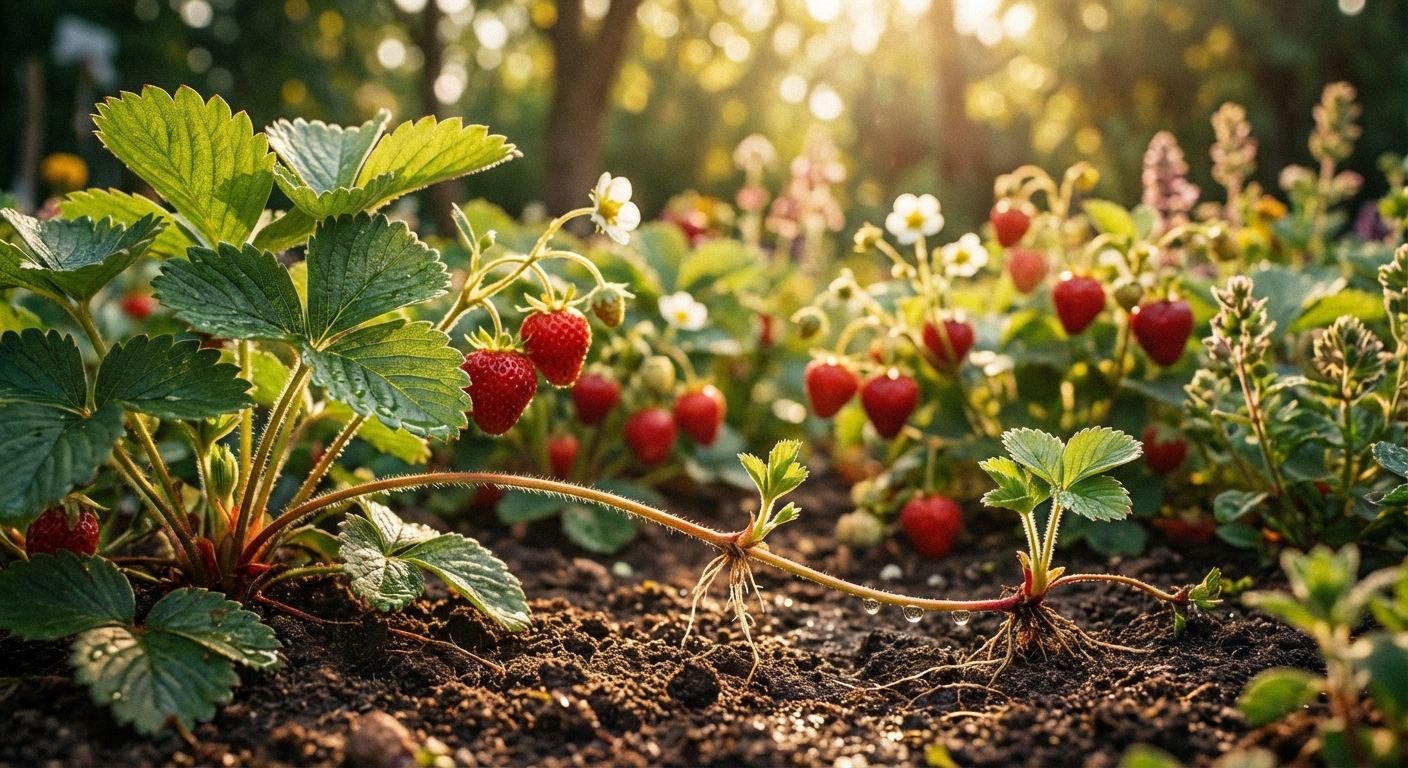
AQA GCSE Biology: Reproduction & Meiosis
This deck introduces the two types of reproduction: sexual and asexual. It details the process of meiosis for producing gametes and compares it to mitosis. It also covers the advantages and disadvantages of both sexual and asexual reproduction.
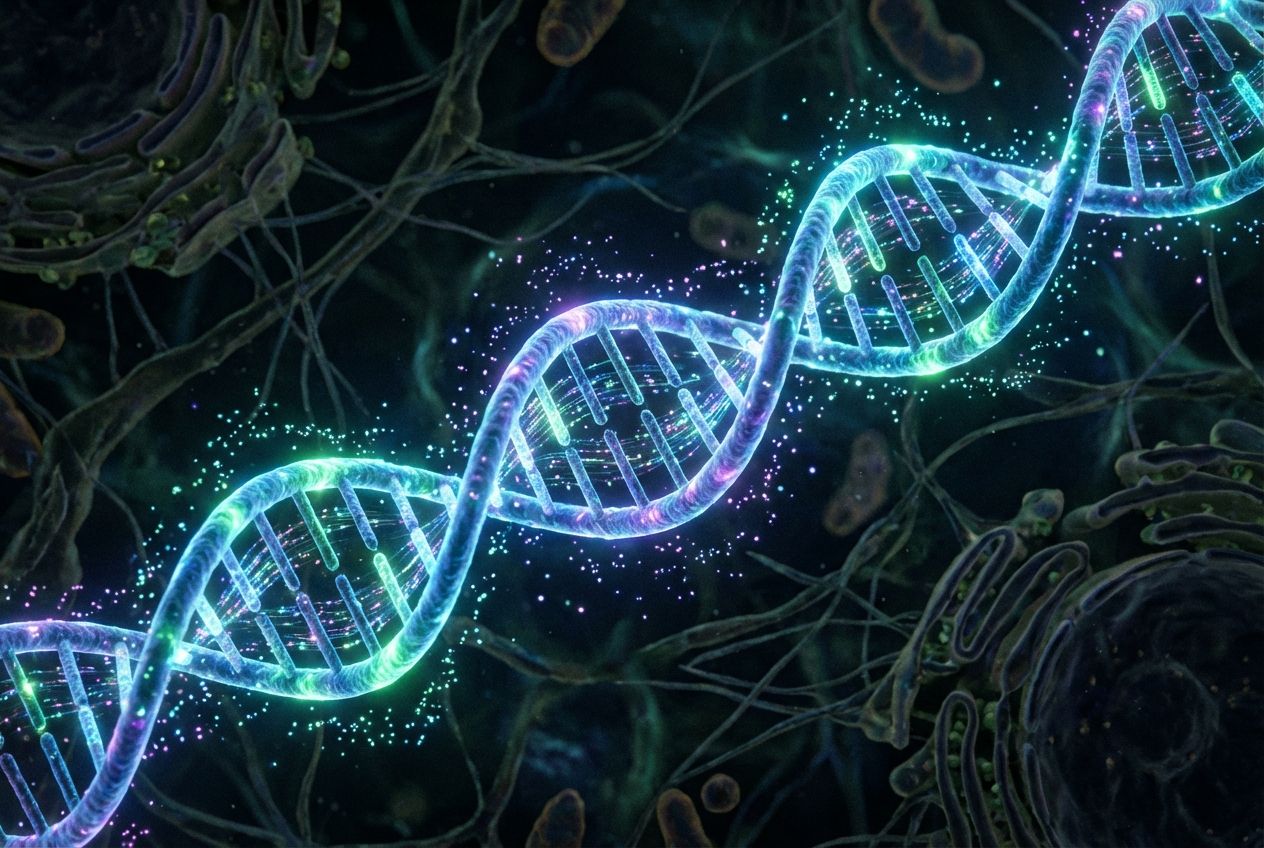
AQA GCSE Biology: DNA, Genes & The Genome
This deck covers the fundamental molecules of inheritance. It describes the structure of DNA as a polymer made of nucleotides forming a double helix. It defines the terms gene, chromosome, and genome, and explains the importance of understanding the human genome.
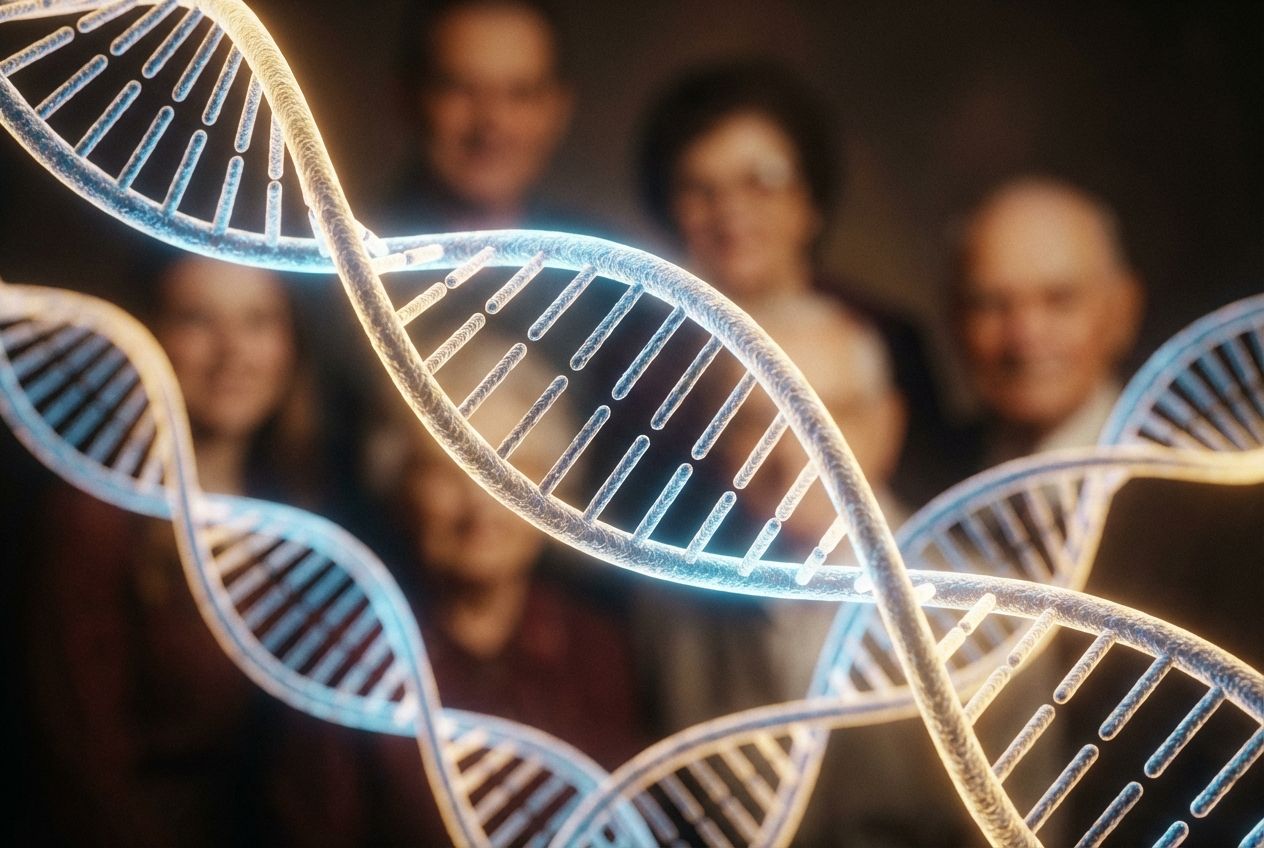
AQA GCSE Biology: Genetic Inheritance
This deck covers the principles of Mendelian genetics. It defines key terms like allele, dominant, recessive, homozygous, heterozygous, genotype, and phenotype. It covers the use of Punnett squares to predict inheritance, analysis of family trees, and the inheritance of disorders like polydactyly and cystic fibrosis, as well as sex determination.
AQA GCSE Biology: Variation & Natural Selection
This deck explains the causes of variation within a species, both genetic and environmental. It then details Charles Darwin's theory of evolution by natural selection, explaining the key steps: variation, competition, survival of the fittest, inheritance, and gradual change over time.
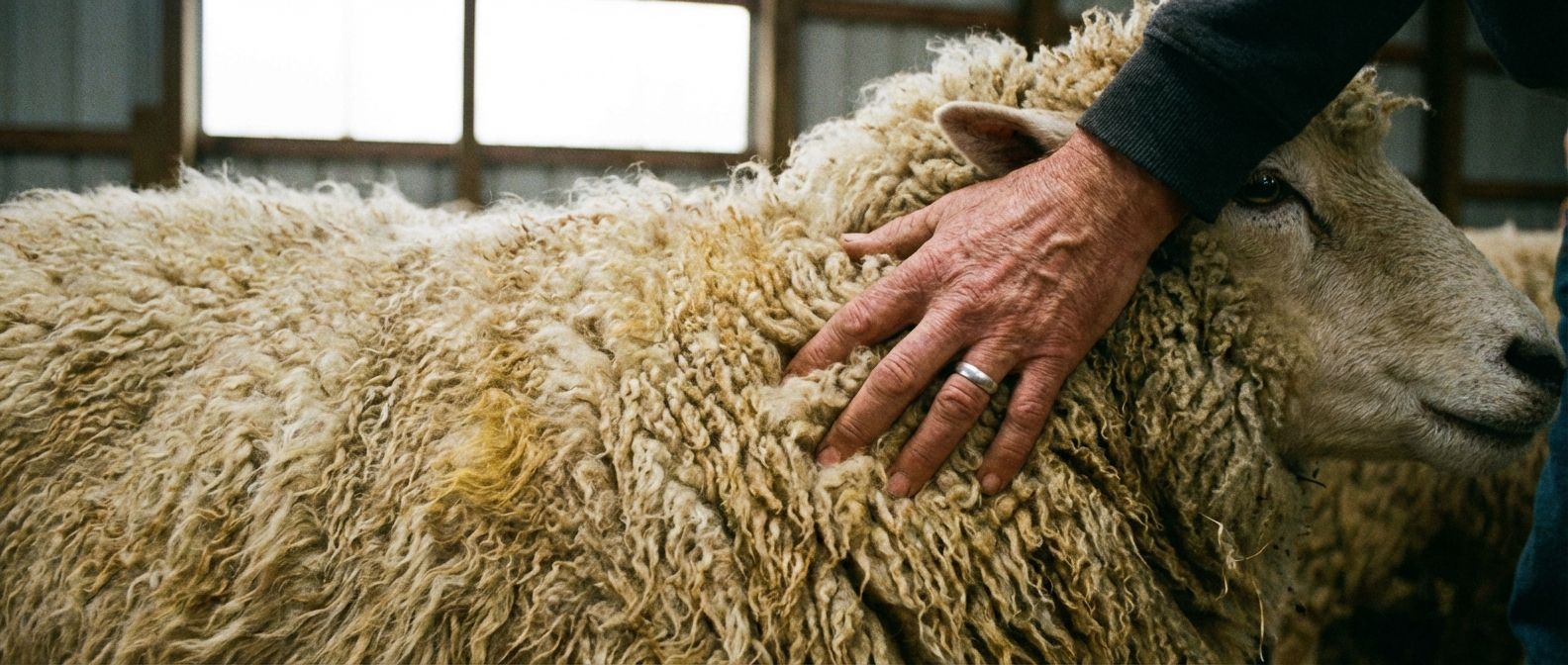
AQA GCSE Biology: Selective Breeding, Genetic Engineering & Cloning
This deck explores human intervention in genetics. It covers selective breeding (artificial selection) to enhance desired characteristics. It details the process of genetic engineering to transfer genes between organisms and discusses its applications. Finally, it explains the methods and applications of plant and animal cloning.
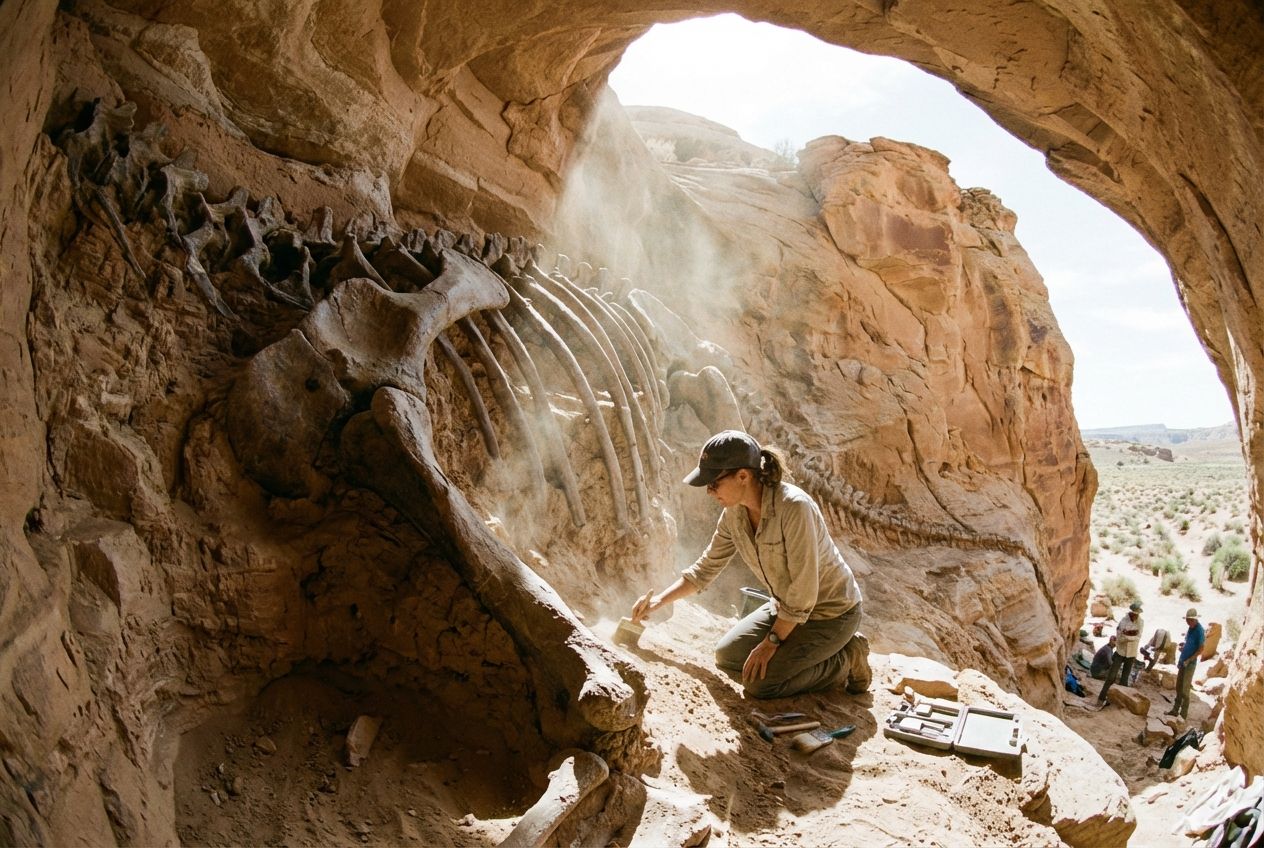
AQA GCSE Biology: Evidence for Evolution & Speciation
This deck covers the evidence supporting the theory of evolution, including fossils and the development of antibiotic resistance in bacteria. It explains how new species arise through the process of speciation and discusses the causes of extinction.
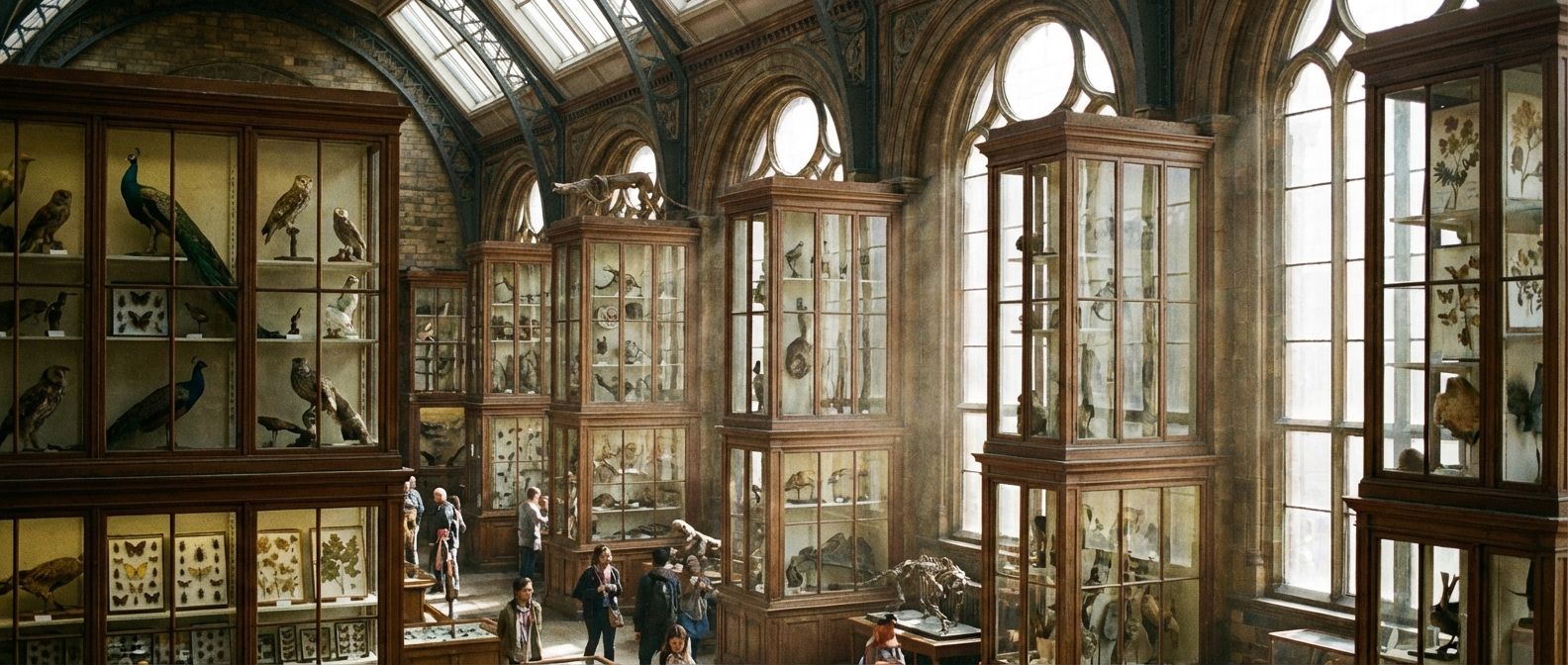
AQA GCSE Biology: Classification of Living Organisms
This deck explains why living organisms are classified and describes the traditional Linnaean system of classification (Kingdom, Phylum, Class, Order, Family, Genus, Species). It also introduces the more modern three-domain system proposed by Carl Woese.
AQA GCSE Biology: Ecosystems, Interdependence & Adaptations
This deck introduces the core concepts of ecology. It defines key terms like ecosystem, community, and population. It covers the impact of abiotic (non-living) and biotic (living) factors on a community, the concept of interdependence, and how organisms are adapted to their environment.

AQA GCSE Biology: Material Cycling & Decomposition
This deck explains how essential materials are cycled through ecosystems. It provides a detailed description of the water cycle and the carbon cycle, including the roles of photosynthesis, respiration, combustion, and decomposition. It also covers the factors affecting the rate of decomposition.
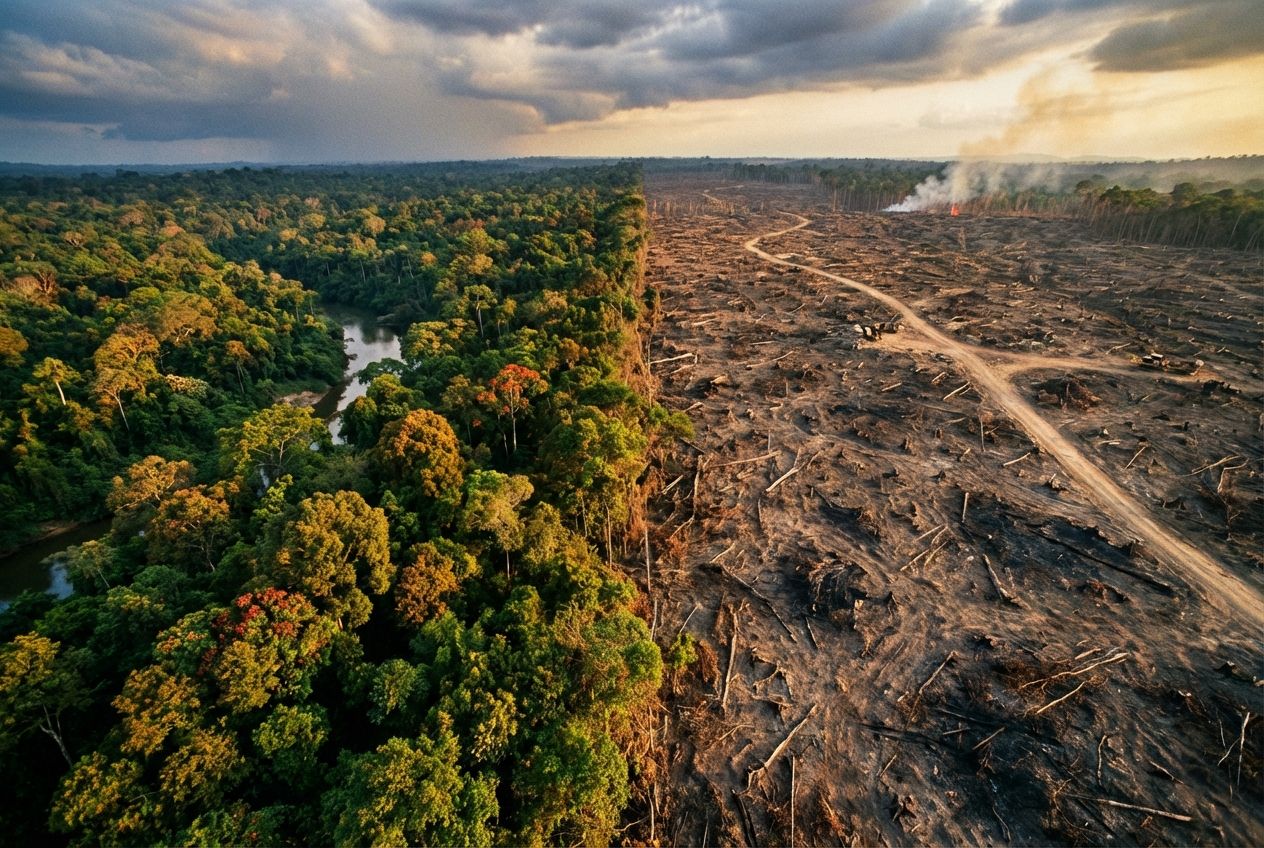
AQA GCSE Biology: Biodiversity & Human Impact
This deck defines biodiversity and explains its importance. It then explores the negative impact of human activities on ecosystems, including waste management issues, land use, deforestation, and global warming. Finally, it covers strategies for maintaining biodiversity.
AQA GCSE Biology: Trophic Levels & Biomass Transfer
This deck covers the flow of energy and biomass through an ecosystem. It defines trophic levels, producers, and consumers. It explains how to construct pyramids of biomass and why biomass is lost at each trophic level. It also includes how to calculate the efficiency of biomass transfer.
AQA GCSE Biology: Food Security & Sustainable Farming
This deck explores food security, factors threatening it, and solutions. It covers intensive farming, sustainable fisheries, and biotechnology like mycoprotein production.
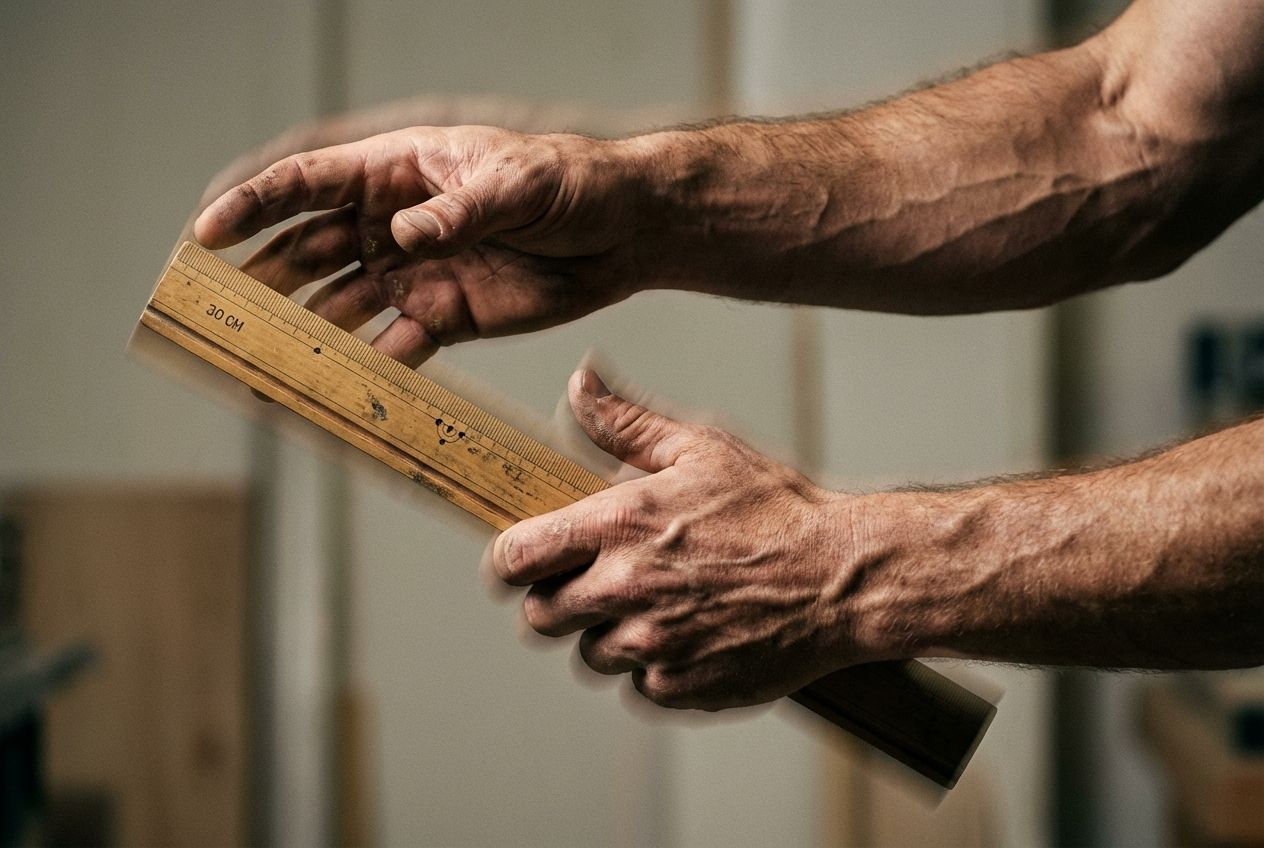
AQA GCSE Biology: Required Practical - Reaction Time
This deck provides a comprehensive guide to the required practical investigating the effect of a factor on human reaction time. It covers the aim, variables, a standard method (e.g., the ruler drop test), potential errors, and how to analyse results.
AQA GCSE Biology: Required Practical - Plant Growth Responses
This deck covers the required practical investigating the effect of light or gravity on the growth of newly germinated seedlings. It includes the aim, variables, a suitable method, expected results, and conclusions related to phototropism and gravitropism.
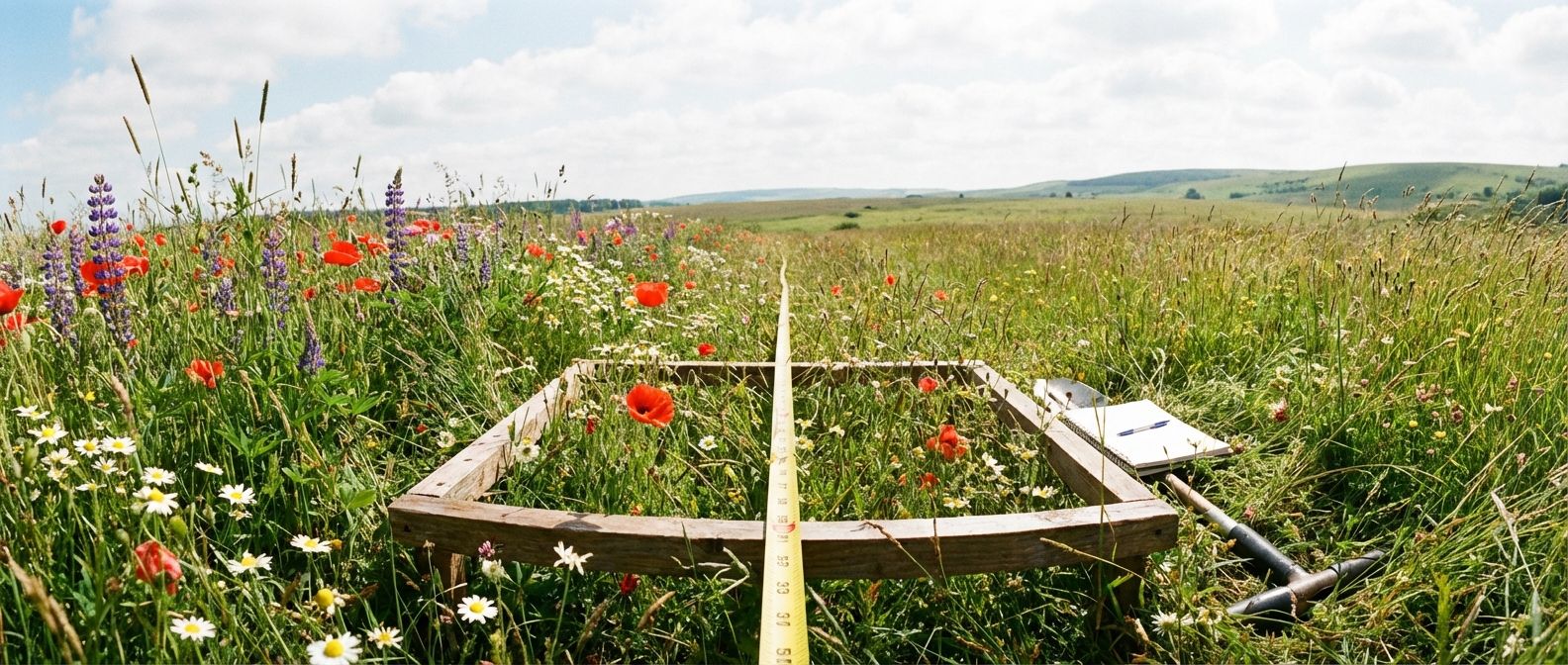
AQA GCSE Biology: Required Practical - Sampling Organisms
This deck details the required practical on ecological sampling. It covers how to use random sampling with quadrats to measure the population size of a species, and systematic sampling with a transect to investigate the effect of a factor on species distribution.
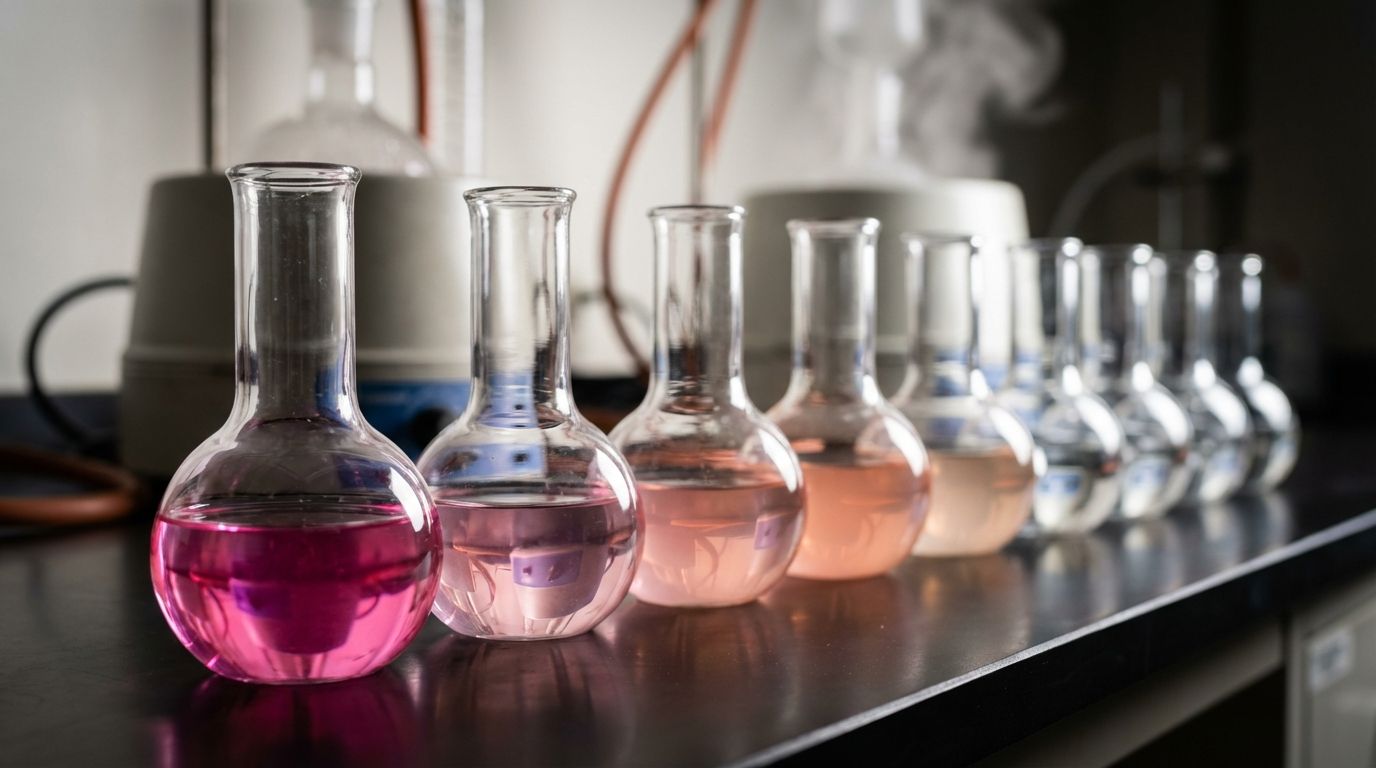
AQA GCSE Biology: Required Practical - Rate of Decay
This deck covers the required practical investigating the effect of temperature on the rate of decay of fresh milk. It explains the role of lipase, the use of a pH indicator, the variables, method, and how to interpret the results.
Learn GCSE Biology (AQA): Paper 2 differently
Auracle is an audio-first learning platform built for busy people. Memorize anything without looking at a screen.
Hands-Free Learning
Listen, interact, and review cards entirely through audio. Perfect for commuting, walking, or at the gym.
Spaced Repetition
Auracle uses a scientific algorithm to schedule your reviews at the optimal time, ensuring you never forget what you learn.
Learn how it works