AQA GCSE Biology: Control of Blood Glucose & Water Balance
This deck details two critical homeostatic processes: the control of blood glucose concentration and the maintenance of water and nitrogen balance. It covers the roles of insulin, glucagon, the pancreas, and the liver in blood glucose regulation, including Type 1 and Type 2 diabetes. It also covers the role of the kidneys and the hormone ADH in osmoregulation.
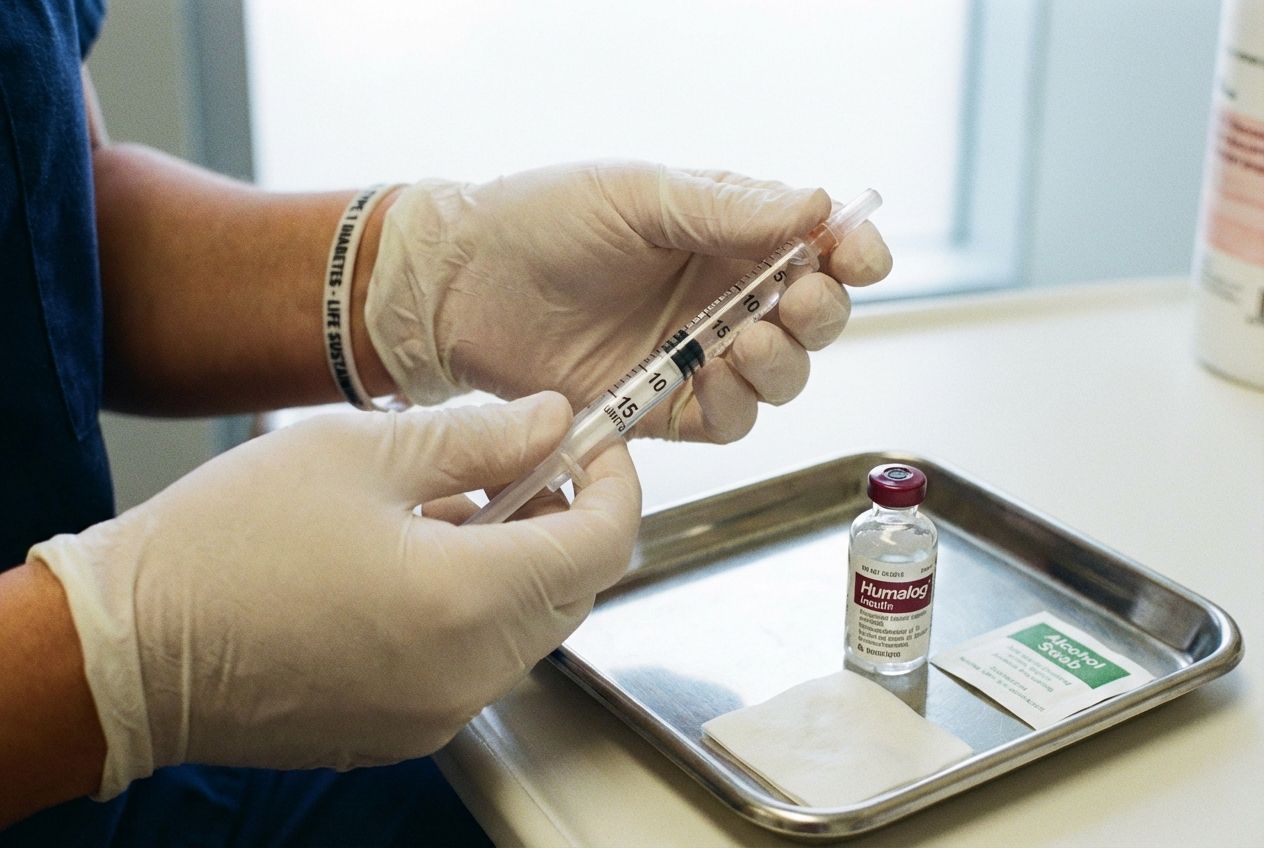
AQA GCSE Biology: Control of Blood Glucose & Water Balance
This deck details two critical homeostatic processes: the control of blood glucose concentration and the maintenance of water and nitrogen balance. It covers the roles of insulin, glucagon, the pancreas, and the liver in blood glucose regulation, including Type 1 and Type 2 diabetes. It also covers the role of the kidneys and the hormone ADH in osmoregulation.
Management & Tools
Deck Contents
39 Cardsthe pancreas
insulin
Login to View Content
Create a free account or log in to see all 39 cards and start studying this deck.
Learn AQA GCSE Biology: Control of Blood Glucose & Water Balance differently
Auracle is an audio-first learning platform built for busy people. Memorize anything without looking at a screen.
Hands-Free Learning
Listen, interact, and review cards entirely through audio. Perfect for commuting, walking, or at the gym.
Spaced Repetition
Auracle uses a scientific algorithm to schedule your reviews at the optimal time, ensuring you never forget what you learn.
Learn how it works