GCSE Maths: Histograms
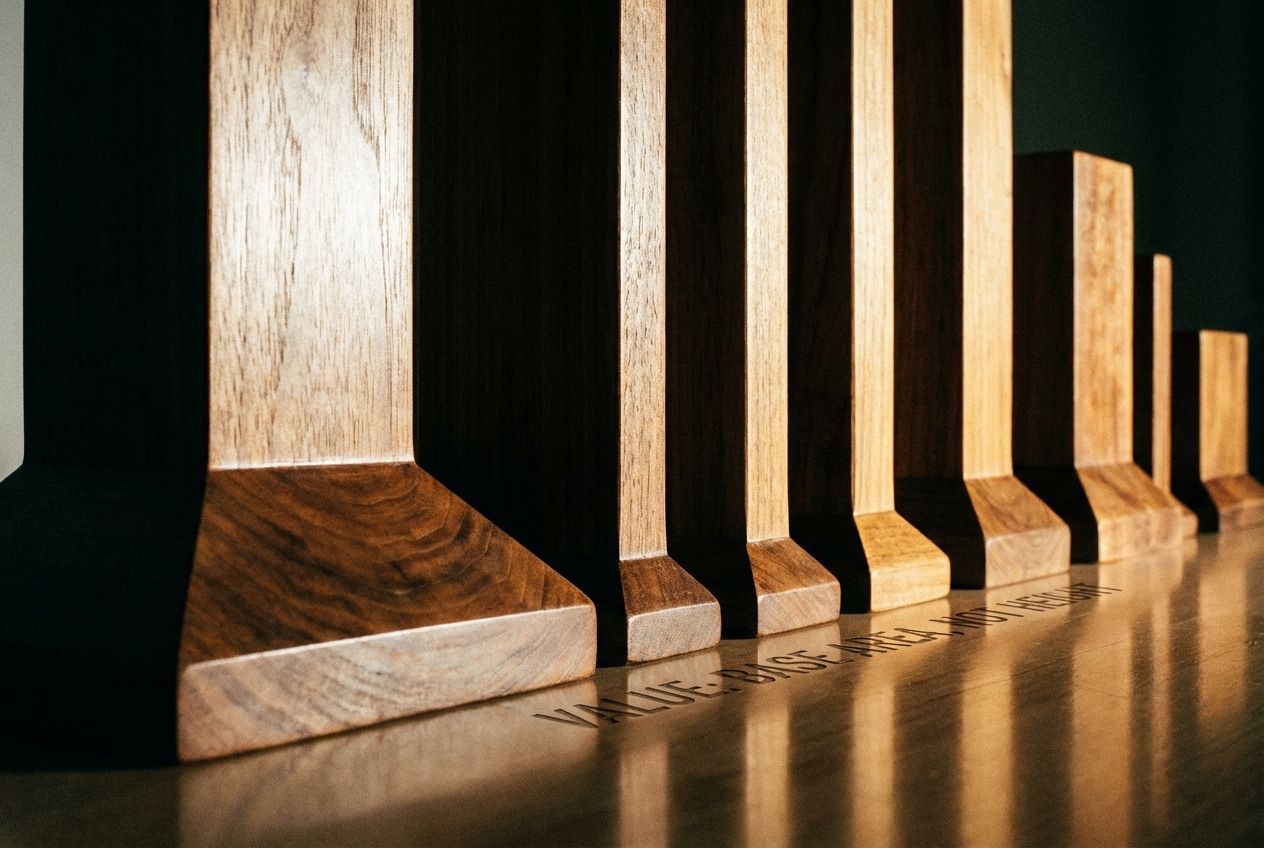
Learn when and why histograms are used instead of bar charts. This deck covers the key concept of frequency density, explaining how to calculate it and why it's essential for representing data with unequal class widths. You'll also learn how to interpret histograms by understanding that the area of each bar represents frequency.
GCSE Maths: Histograms
Learn when and why histograms are used instead of bar charts. This deck covers the key concept of frequency density, explaining how to calculate it and why it's essential for representing data with unequal class widths. You'll also learn how to interpret histograms by understanding that the area of each bar represents frequency.
Management & Tools
Deck Contents
15 CardsIt can be misleading
Frequency density
Login to View Content
Create a free account or log in to see all 15 cards and start studying this deck.
Learn GCSE Maths: Histograms differently
Auracle is an audio-first learning platform built for busy people. Memorize anything without looking at a screen.
Hands-Free Learning
Listen, interact, and review cards entirely through audio. Perfect for commuting, walking, or at the gym.
Spaced Repetition
Auracle uses a scientific algorithm to schedule your reviews at the optimal time, ensuring you never forget what you learn.
Learn how it works