Tutorial

AQA GCSE Biology: Reproduction & Meiosis

This deck introduces the two types of reproduction: sexual and asexual. It details the process of meiosis for producing gametes and compares it to mitosis. It also covers the advantages and disadvantages of both sexual and asexual reproduction.
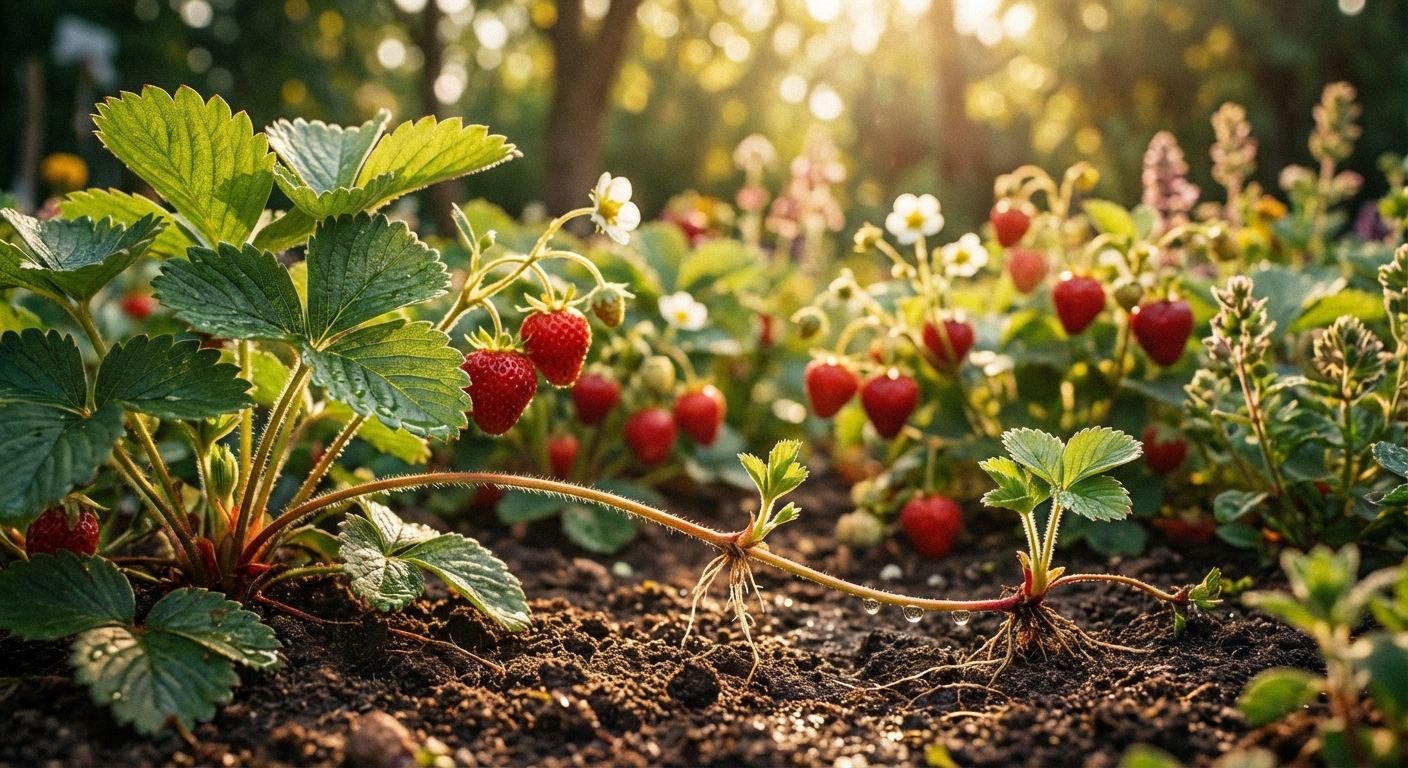
A dramatic, close-up photograph of a vibrant strawberry plant in a garden bed, with a long, delicate runner stretching out to form a small, genetically identical new plantlet, symbolizing asexual reproduction. In the soft-focus background, a lush array of various ripe, red strawberries and delicate white flowers suggests the genetic diversity and potential of sexual reproduction, all bathed in warm, dappled sunlight.

Management & Tools

Deck Contents

32 Cards
Lesson#1
In this deck, we'll explore reproduction, the process by which organisms create offspring. We'll look at the two main types, asexual and sexual reproduction. We will also dive into meiosis, the special type of cell division that produces sex cells, and compare it to mitosis. Finally, we'll weigh up the pros and cons of each reproductive strategy.
Lesson#2
Let's start with asexual reproduction. This is the simplest form of reproduction, involving only one parent. Because there's only one parent, the offspring are genetically identical to it, and to each other. They are essentially clones. This method is common in simple organisms like bacteria, but also in some plants, like strawberry plants sending out runners.
Quiz#3
How many parents are involved in asexual reproduction?

one

Quiz#4
In asexual reproduction, how does the genetic material of the offspring compare to the parent?

genetically identical

Quiz#5
What is the scientific term for offspring that are genetically identical to their parent?

clones

Lesson#6
Now for sexual reproduction. This process typically involves two parents. Each parent produces special sex cells called gametes. In animals, the male gamete is the sperm and the female gamete is the egg. These two gametes fuse together in a process called fertilisation. The resulting offspring inherits a mixture of genetic information from both parents, leading to genetic variation.

Login to View Content

Create a free account or log in to see all 32 cards and start studying this deck.

Learn AQA GCSE Biology: Reproduction & Meiosis differently

Auracle is an audio-first learning platform built for busy people. Memorize anything without looking at a screen.

Hands-Free Learning

Listen, interact, and review cards entirely through audio. Perfect for commuting, walking, or at the gym.

Spaced Repetition

Auracle uses a scientific algorithm to schedule your reviews at the optimal time, ensuring you never forget what you learn.

Learn how it works

Ready to start the AQA GCSE Biology: Reproduction & Meiosis audio deck?