Tutorial

GCSE Biology: Diffusion, Osmosis, and Active Transport

Learn the three main processes for moving substances into and out of cells: diffusion, osmosis, and active transport. Covers the factors affecting the rate of diffusion and includes the method for Required Practical 3 (investigating osmosis in plant tissue).
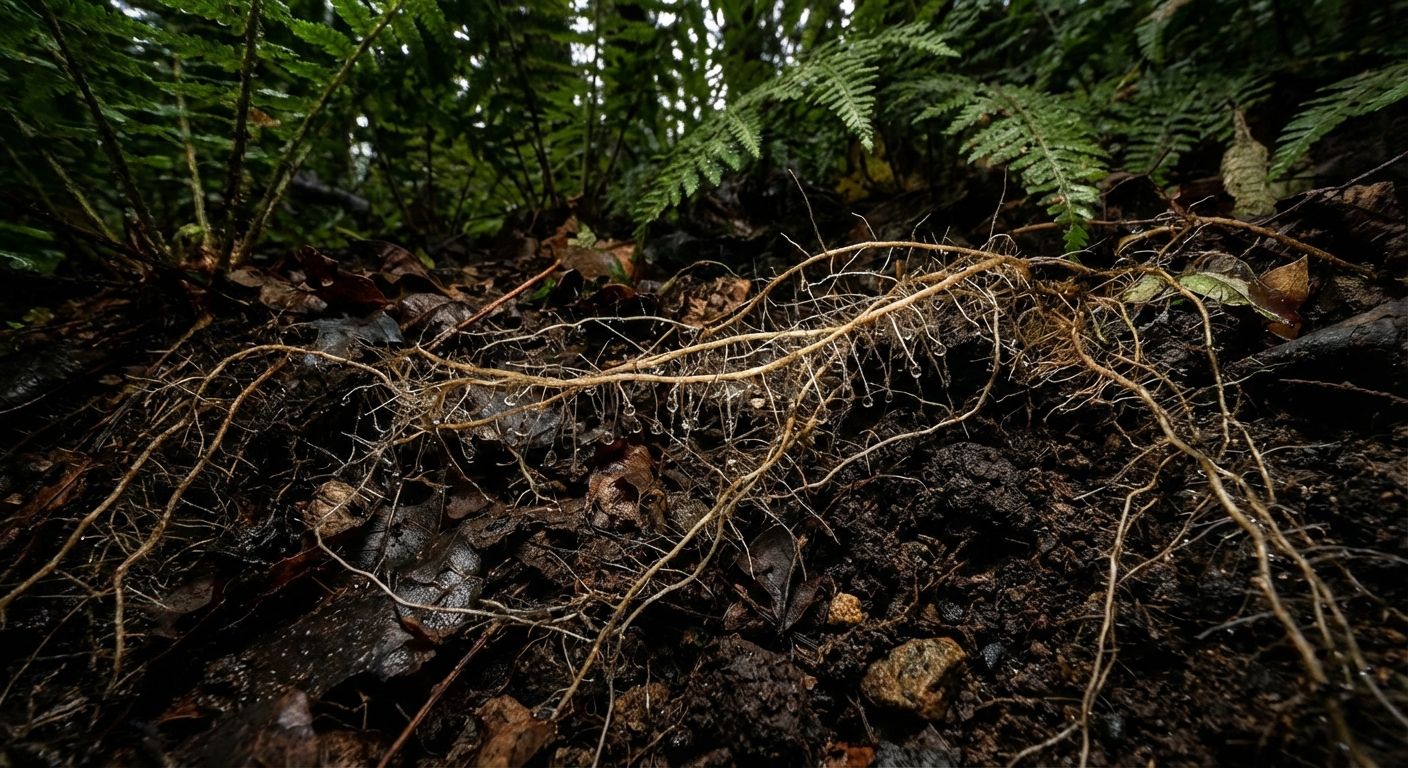
A dramatic, wide-angle macro photograph of a vibrant, intricate plant root system deeply embedded in dark, moist soil. Glistening water droplets cling to delicate root hairs, suggesting active absorption and unseen exchange of substances.

Management & Tools

Deck Contents

33 Cards
Lesson#1
In this deck, we'll explore how substances get into and out of cells. Just like a house needs supplies to come in and rubbish to go out, a cell needs things like oxygen and glucose, and needs to get rid of waste like carbon dioxide. We will learn about the three main ways this happens: diffusion, osmosis, and active transport.
Lesson#2
Let's start with diffusion. Imagine someone sprays perfume in one corner of a room. Soon, you can smell it everywhere. The perfume particles have spread out, moving from where they were most concentrated to where they were less concentrated. This is diffusion. In biology, diffusion is the net movement of particles from an area of high concentration to an area of low concentration.
Quiz#3
What is the net movement of particles from an area of high concentration to an area of low concentration?

diffusion

Lesson#4
Diffusion happens because particles are always moving randomly. Where there are more of them, they are more likely to bump into each other and spread out. This process doesn't require any energy from the cell. It's a passive process, like a ball rolling downhill.
Quiz#5
What term describes a process, like diffusion, that does not require the cell to use energy?

passive

Lesson#6
Three main factors affect how quickly diffusion happens. First, the concentration gradient. This is the difference in concentration between two areas. A steeper gradient, meaning a bigger difference, makes diffusion faster. Second, temperature. Higher temperatures give particles more kinetic energy, so they move and spread out faster. Third, the surface area of the membrane they are crossing. A larger surface area provides more space for particles to pass through, speeding up diffusion.

Login to View Content

Create a free account or log in to see all 33 cards and start studying this deck.

Learn GCSE Biology: Diffusion, Osmosis, and Active Transport differently

Auracle is an audio-first learning platform built for busy people. Memorize anything without looking at a screen.

Hands-Free Learning

Listen, interact, and review cards entirely through audio. Perfect for commuting, walking, or at the gym.

Spaced Repetition

Auracle uses a scientific algorithm to schedule your reviews at the optimal time, ensuring you never forget what you learn.

Learn how it works

Ready to start the GCSE Biology: Diffusion, Osmosis, and Active Transport audio deck?