
GCSE Biology (AQA): Paper 1
Everything you need for AQA GCSE Biology Paper 1. We cover the lot – from cell structure and the digestive system to photosynthesis and pathogens, including all the Higher Tier topics.
GCSE Biology (AQA): Paper 1
Everything you need for AQA GCSE Biology Paper 1. We cover the lot – from cell structure and the digestive system to photosynthesis and pathogens, including all the Higher Tier topics.
Decks in this Course
15 items
GCSE Biology: Eukaryotic and Prokaryotic Cell Structure
Learn the structure and function of organelles in eukaryotic (animal and plant) and prokaryotic (bacterial) cells. This deck covers the key differences between these cell types, and the principles of cell specialisation and differentiation, as required for the AQA GCSE Biology exam.
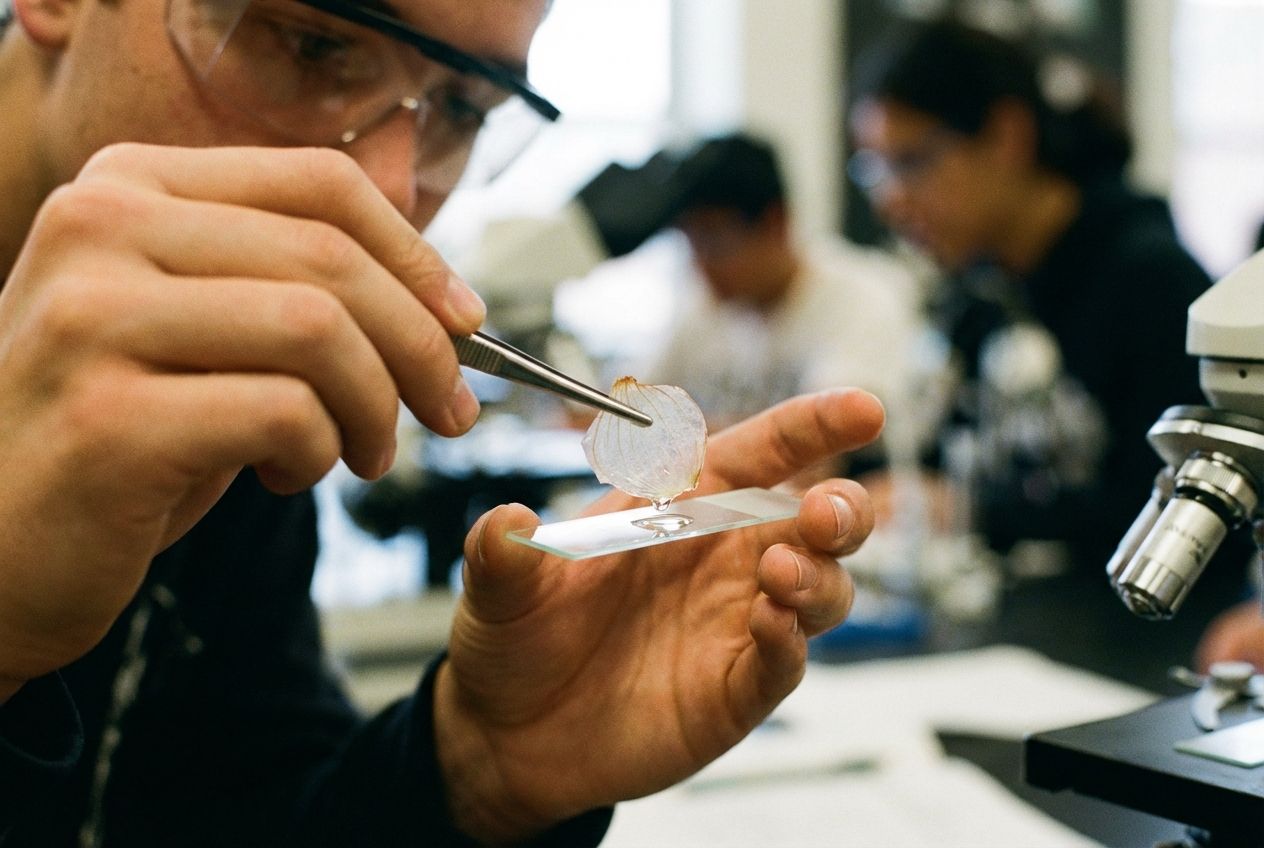
GCSE Biology: Microscopy and Culturing Microorganisms
Learn the principles of light and electron microscopy, including calculating magnification. Covers the method for Required Practical 1 (using a light microscope) and Required Practical 2 (culturing microorganisms and testing antiseptics or antibiotics).
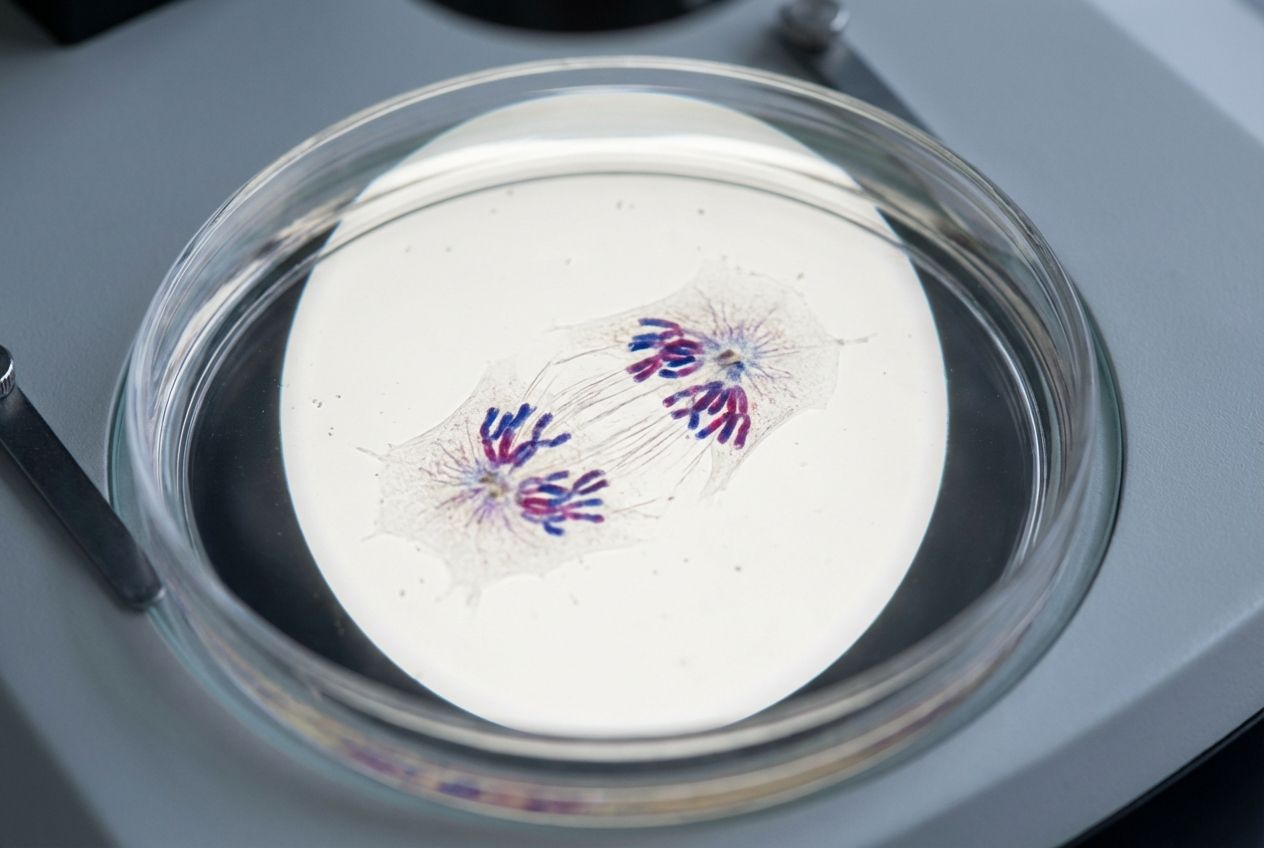
GCSE Biology: Mitosis, the Cell Cycle, and Stem Cells
Learn the structure of chromosomes and the stages of the cell cycle, with a focus on mitosis. Covers the role of mitosis in growth and repair, and the function, sources, and potential uses and controversies of stem cells in medicine.
GCSE Biology: Diffusion, Osmosis, and Active Transport
Learn the three main processes for moving substances into and out of cells: diffusion, osmosis, and active transport. Covers the factors affecting the rate of diffusion and includes the method for Required Practical 3 (investigating osmosis in plant tissue).
GCSE Biology: The Digestive System and Enzymes
This deck covers the principles of biological organisation, from cells to organ systems. You'll explore the human digestive system, learning about the function of each organ. We'll then dive into the world of enzymes, understanding their role as biological catalysts, the lock and key model, and how factors like pH affect their activity. This deck also covers the methods for two required practicals: testing for food molecules and investigating the effect of pH on amylase.
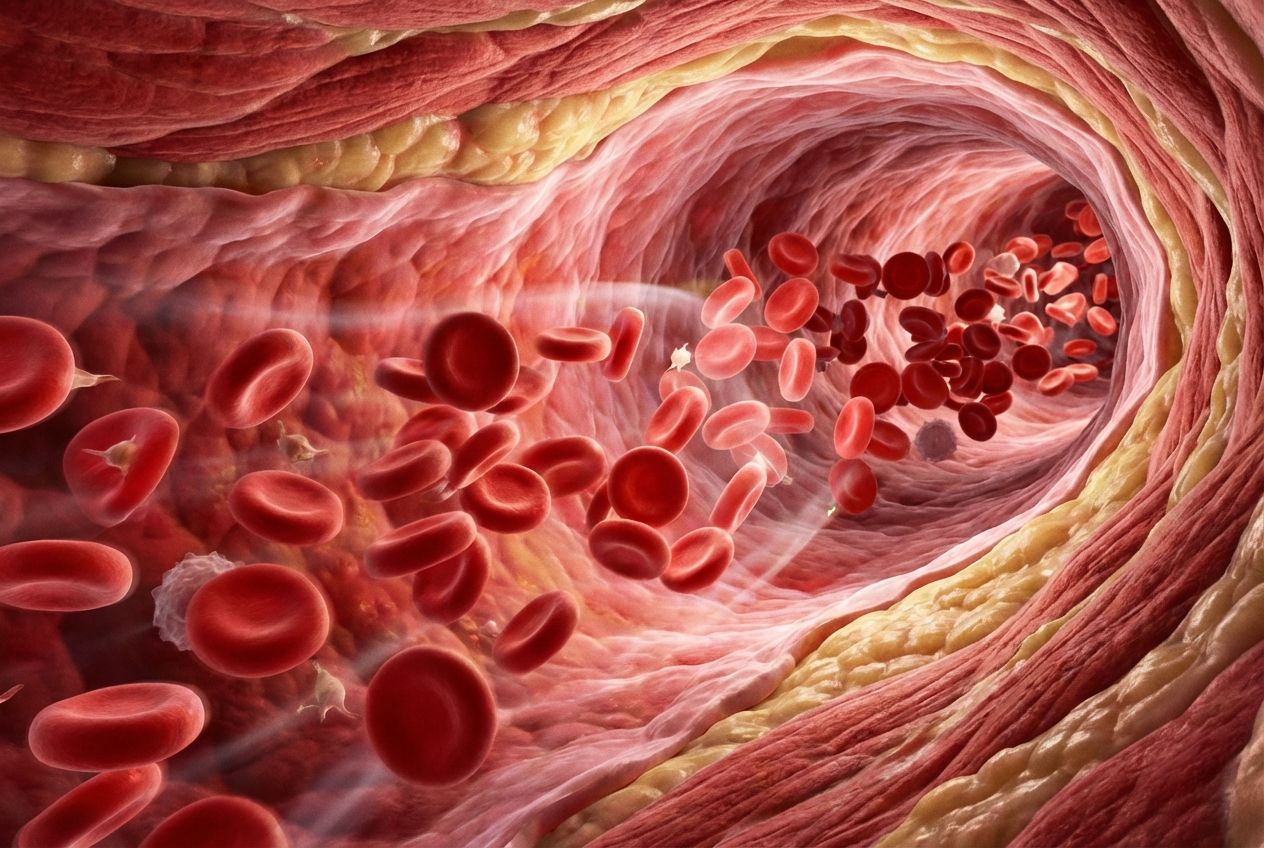
GCSE Biology: The Heart, Blood Vessels, and Blood
Learn the structure and function of the human heart as a double circulatory system. Covers the three types of blood vessel (arteries, veins, capillaries) and their adaptations. Includes the four main components of blood and their roles.

GCSE Biology: Non-Communicable Diseases and Lifestyle
Learn about non-communicable diseases, focusing on coronary heart disease, its causes, and treatments. Covers the concept of risk factors, the impact of lifestyle on health, and the causes and types of cancer.
GCSE Biology: Plant Tissues and Transport Systems
Learn the structure of plant tissues like xylem, phloem, and meristem. Covers the structure of a leaf and the processes of transpiration and translocation for transporting water, mineral ions, and sugars around the plant.
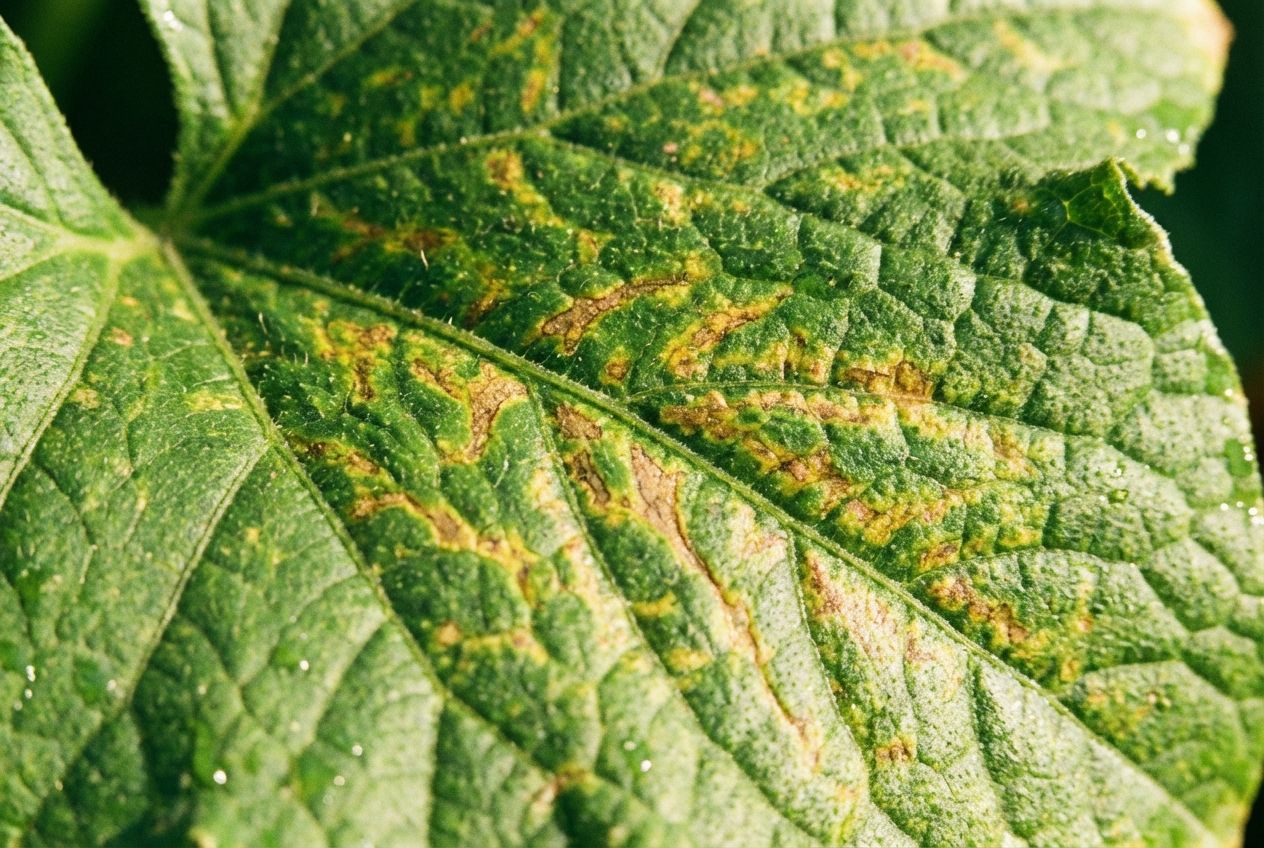
GCSE Biology: Pathogens and Communicable Diseases
Learn how communicable diseases are spread by pathogens. Covers the four main types of pathogen (viruses, bacteria, fungi, protists) and provides key examples of diseases caused by each, including their symptoms and methods of transmission.
GCSE Biology: Human Defence Systems and Vaccination
Learn about the body's non-specific defence systems (skin, nose, trachea, stomach) and the specific immune response involving white blood cells (phagocytes and lymphocytes). Covers how vaccination provides immunity and the concept of herd immunity.
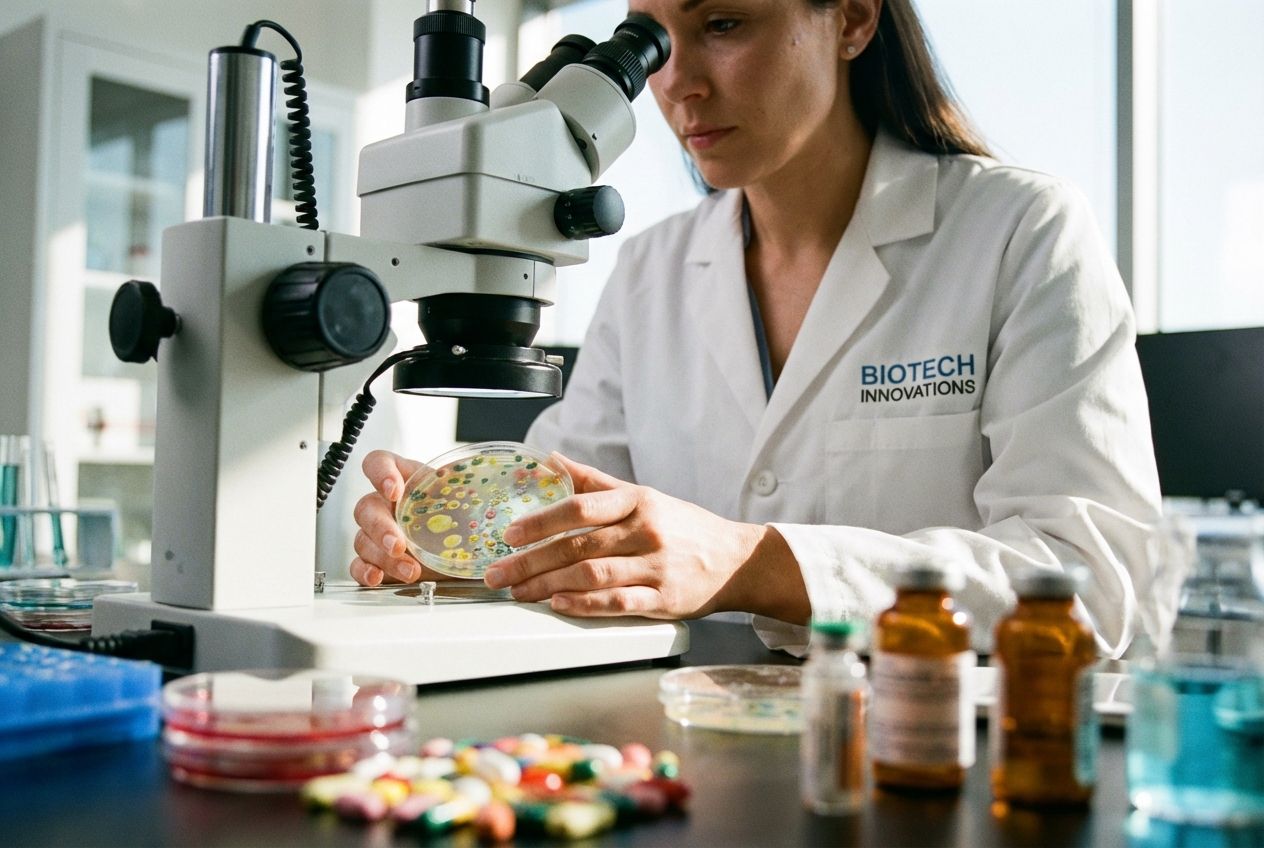
GCSE Biology: Antibiotics, Painkillers, and Drug Development
Learn the difference between antibiotics and painkillers. Covers the problem of antibiotic resistance and the stages of modern drug development, from preclinical testing to clinical trials, including the use of placebos and double-blind trials.
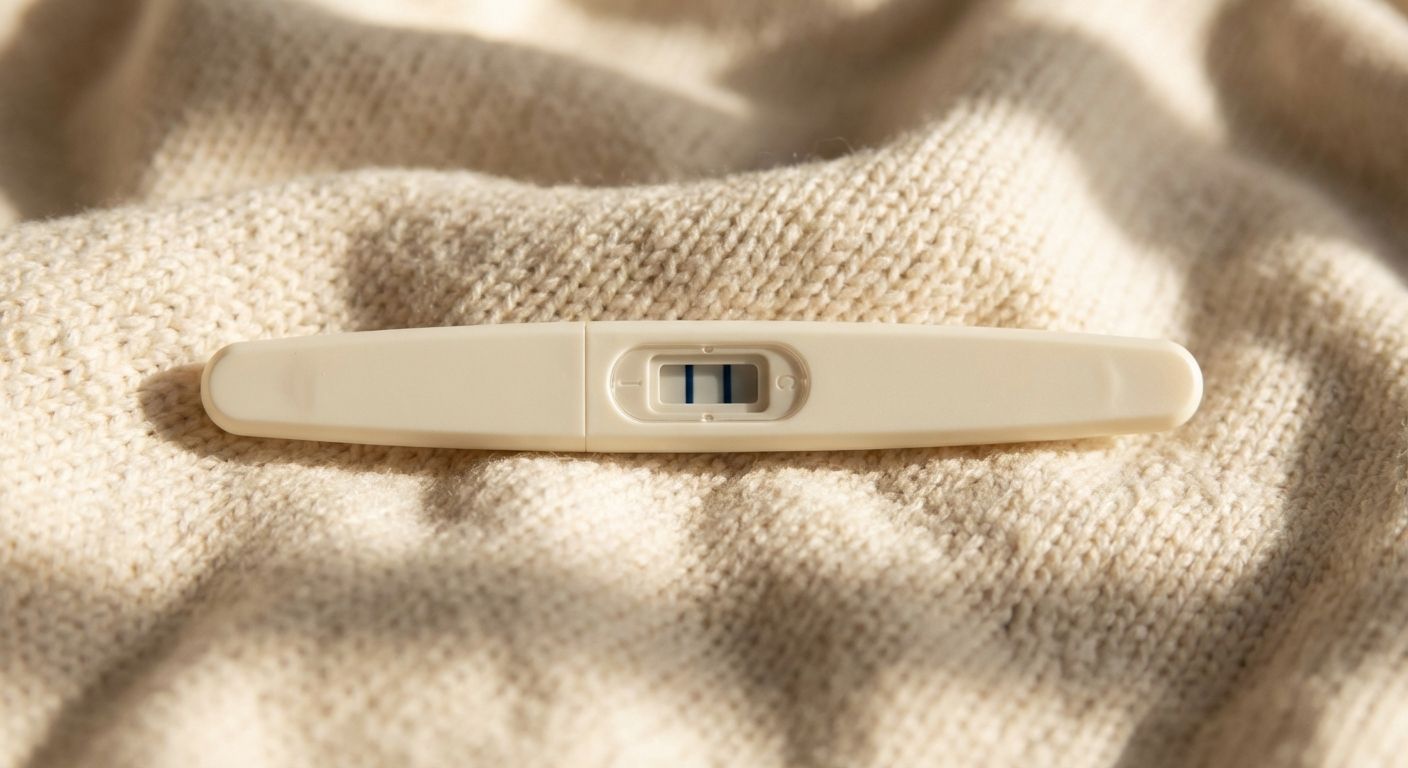
GCSE Biology: Monoclonal Antibodies (Higher Tier)
This Higher Tier deck covers the production of monoclonal antibodies using hybridoma cells. It explores their various uses in medicine, including pregnancy tests, disease diagnosis, and cancer treatment.

GCSE Biology: Plant Diseases and Defences
Learn how to detect and identify plant diseases by observing symptoms and using testing kits. Covers the physical, chemical, and mechanical defence responses plants use to protect themselves from pathogens and pests.

GCSE Biology: Photosynthesis and Limiting Factors
Learn about photosynthesis as an endothermic reaction. Covers the word and balanced symbol equations, the concept of limiting factors (light, temperature, carbon dioxide), and the uses of glucose produced by the plant. Includes the method for RP6 (investigating light intensity).

GCSE Biology: Aerobic and Anaerobic Respiration
Learn about respiration as an exothermic reaction that releases energy in all living cells. Covers the differences between aerobic and anaerobic respiration in animals and yeast, the body's response to exercise, and the concept of metabolism.
Learn GCSE Biology (AQA): Paper 1 differently
Auracle is an audio-first learning platform built for busy people. Memorize anything without looking at a screen.
Hands-Free Learning
Listen, interact, and review cards entirely through audio. Perfect for commuting, walking, or at the gym.
Spaced Repetition
Auracle uses a scientific algorithm to schedule your reviews at the optimal time, ensuring you never forget what you learn.
Learn how it works