GCSE History (Edexcel): Mao’s China, 1945–76
All the key facts, dates, and policies for your Edexcel GCSE History paper on Mao’s China, 1945–76.
GCSE History (Edexcel): Mao’s China, 1945–76
All the key facts, dates, and policies for your Edexcel GCSE History paper on Mao’s China, 1945–76.
Decks in this Course
4 items
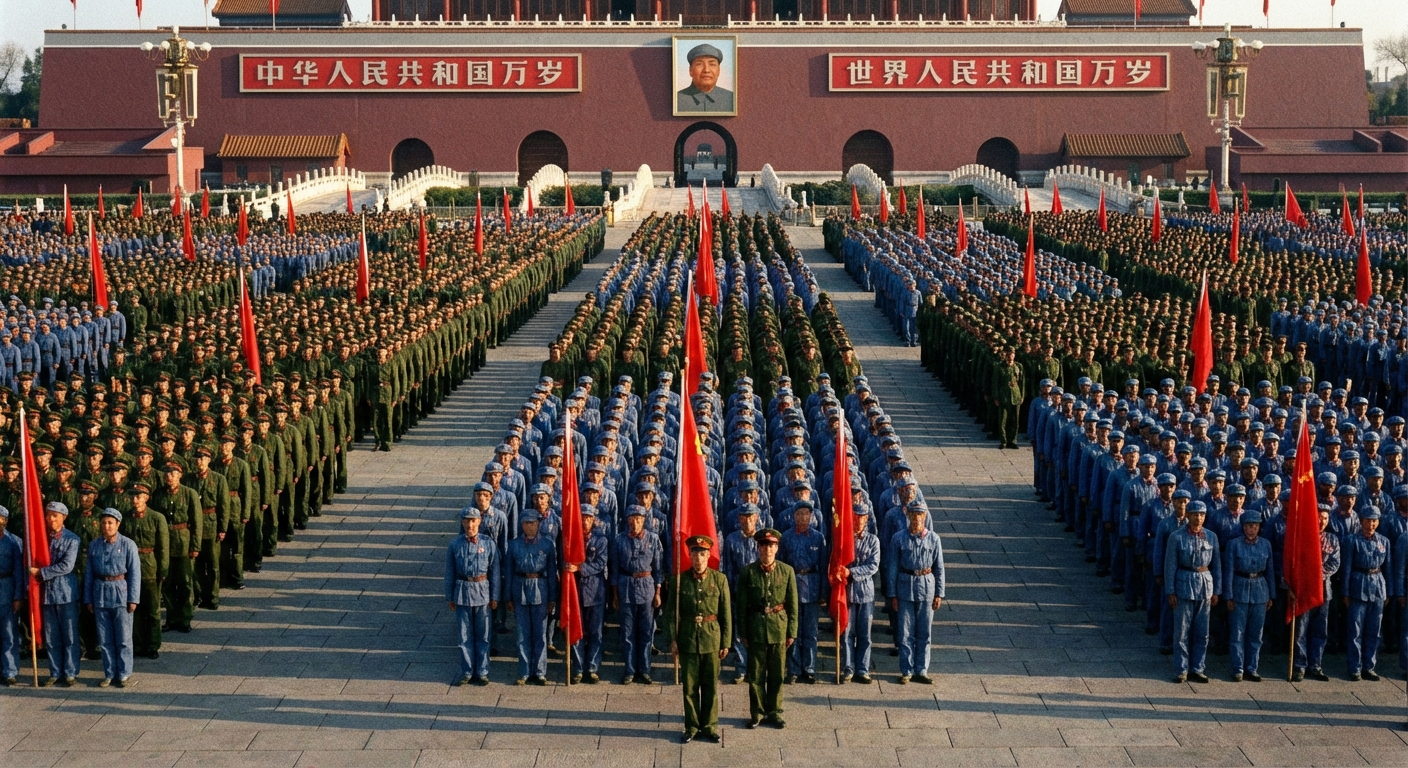
GCSE History: Mao's China - Establishing communist rule, 1945–59
This deck covers the Chinese Civil War (1945-49), including the strengths and weaknesses of the CCP and Guomindang and the reasons for the CCP's victory. It then covers the establishment of communist rule, including Mao's ideology and role, the structure of the CCP government, the consolidation of power through terror and the 'three antis' and 'five antis' movements, and finally, the Hundred Flowers campaign and the subsequent Anti-Rightist purge.
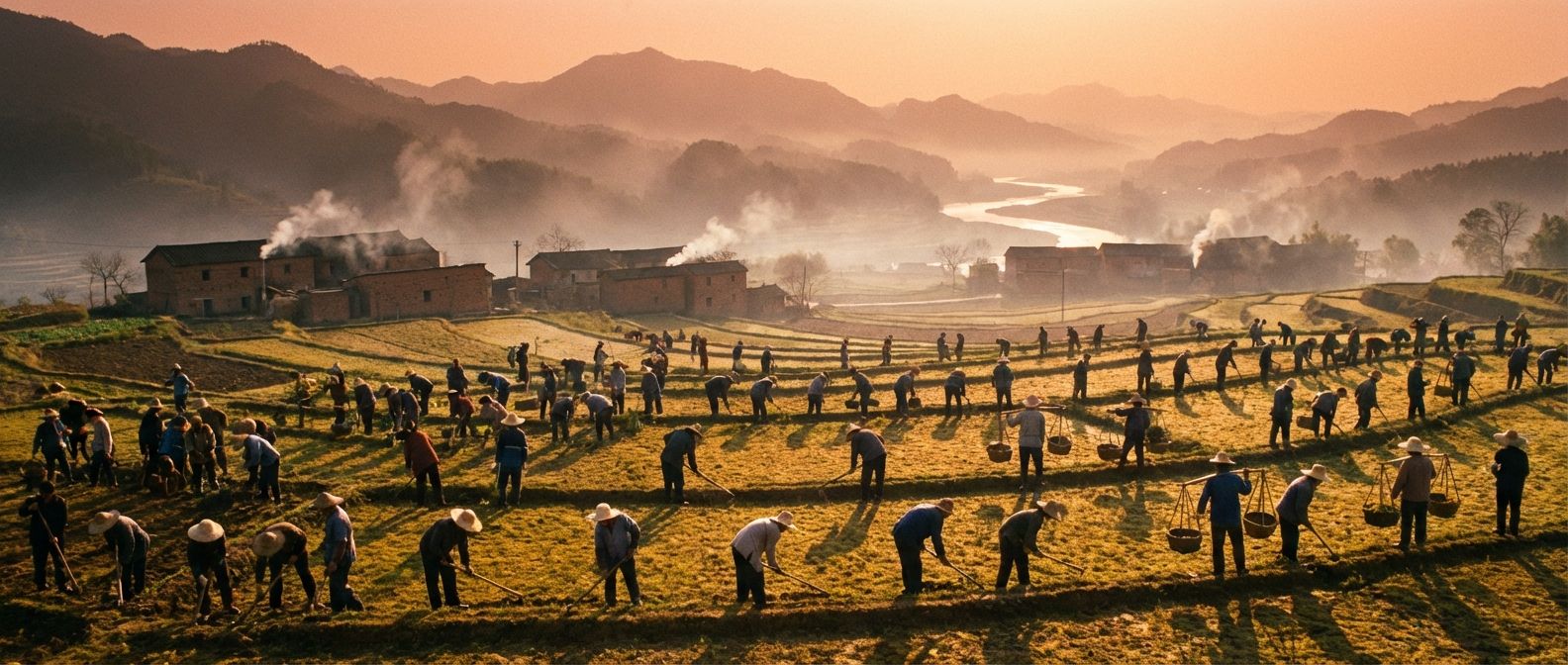
GCSE History: Mao's China - Economic policy, 1949–65
This deck covers Mao's economic policies from 1949 to 1965. It details early agricultural changes like land redistribution and collectivisation, the first Five-Year Plan for industry, the Great Leap Forward (1958-62), and the period of economic reform under Liu Shaoqi and Deng Xiaoping from 1962 to 1965.
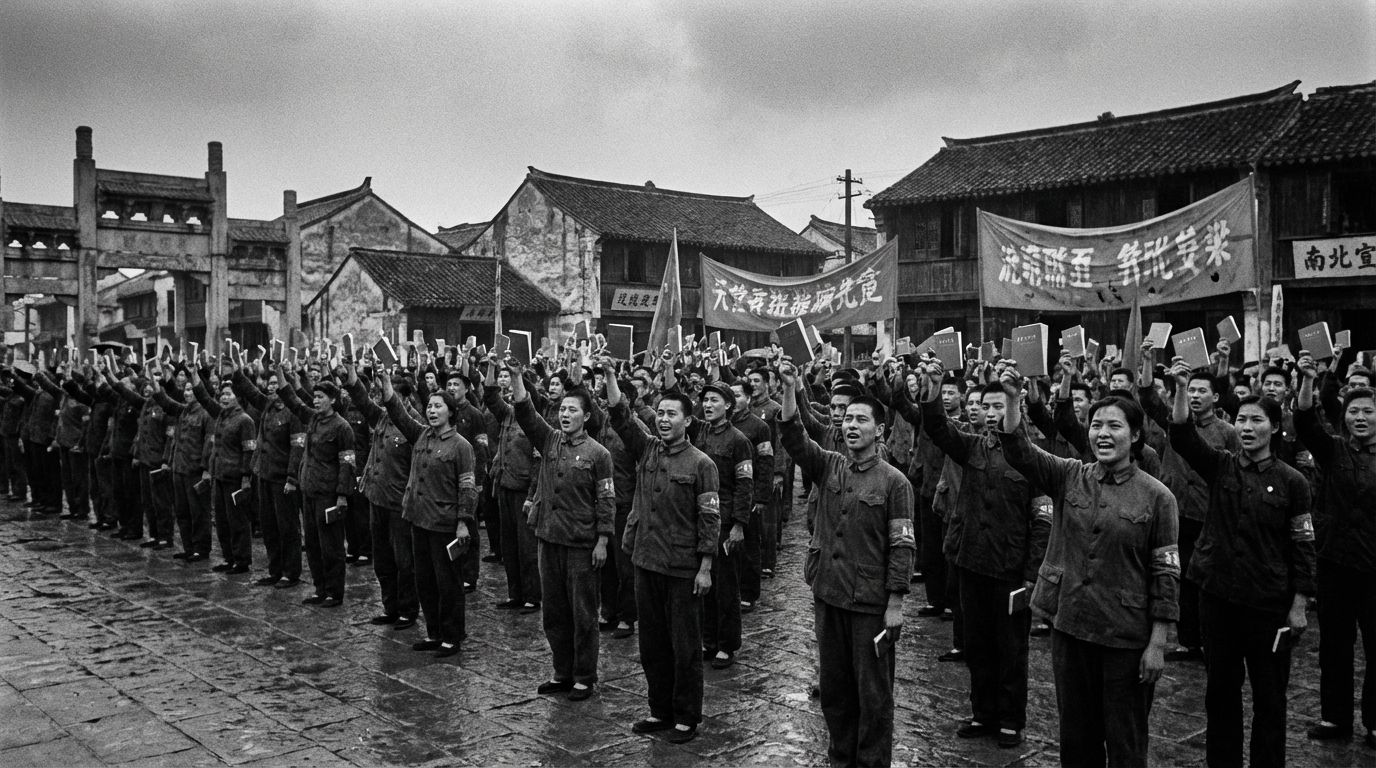
GCSE History: Mao's China - The Cultural Revolution and its aftermath, 1966–76
This deck covers the causes, events, and consequences of the Cultural Revolution in China (1966-76). It explores the power struggles within the CCP, the role of the Red Guards, the effects on Chinese society, and the key figures who shaped this turbulent period, including Mao, Lin Biao, and the Gang of Four.
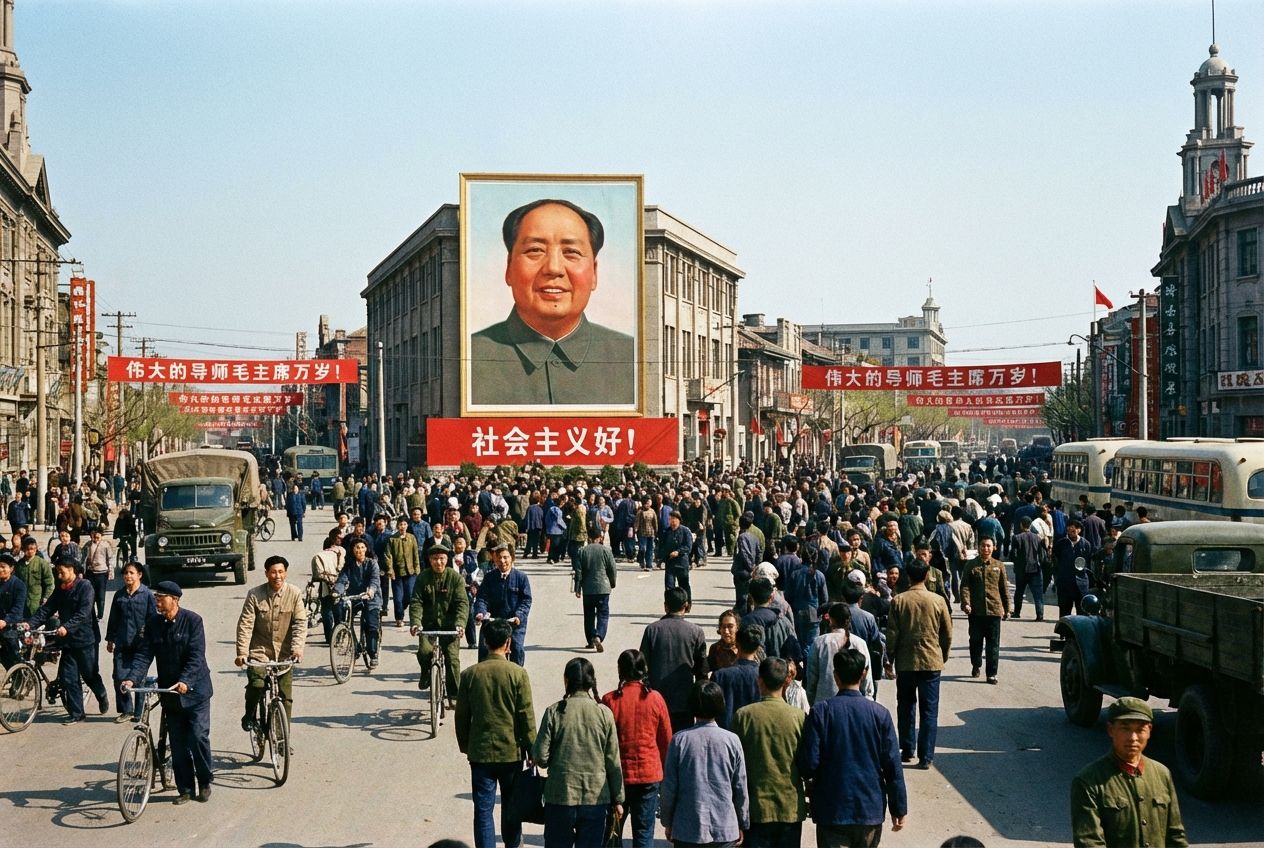
GCSE History: Mao's China - Life in Mao’s China, 1949–76
This deck explores life for ordinary people in Mao's China from 1949 to 1976. It covers the methods of communist control, such as propaganda and the 'cult of Mao', and examines the profound changes to family life, women's rights, education, healthcare, and culture under CCP rule. This knowledge is essential for understanding the social impact of the communist revolution and for answering questions on this topic in your GCSE History exam.
Learn GCSE History (Edexcel): Mao’s China, 1945–76 differently
Auracle is an audio-first learning platform built for busy people. Memorize anything without looking at a screen.
Hands-Free Learning
Listen, interact, and review cards entirely through audio. Perfect for commuting, walking, or at the gym.
Spaced Repetition
Auracle uses a scientific algorithm to schedule your reviews at the optimal time, ensuring you never forget what you learn.
Learn how it works