
GCSE German (AQA)
The entire AQA GCSE German specification, built for audio. We cover every theme, grammar point, and piece of vocabulary you need for both the Foundation and Higher papers.
GCSE German (AQA)
The entire AQA GCSE German specification, built for audio. We cover every theme, grammar point, and piece of vocabulary you need for both the Foundation and Higher papers.
Decks in this Course
23 items
GCSE German: Course Introduction and Pronunciation
Introduction to the AQA GCSE German course structure. Covers the fundamental sounds of the German alphabet, including vowels, consonants, umlauts (ä, ö, ü), and diphthongs (ei, ie, eu, äu) to ensure accurate pronunciation from the start.
GCSE German: Core Grammar - Present Tense and Word Order
Introduces the present tense conjugation of regular verbs and the essential irregular verbs 'sein' (to be) and 'haben' (to have). Covers basic German sentence structure (word order) for simple statements and questions.

GCSE German: Theme 1 - Me, My Family and Friends
Covers the AQA vocabulary for Theme 1, Sub-topic 1: 'Me, my family and friends'. Introduces nouns, gender, and the nominative case for definite and indefinite articles. Practices using the present tense to describe people and relationships.

GCSE German: Core Grammar - The Accusative Case
This deck introduces the German accusative case, which is used for the direct object in a sentence. You will learn how masculine articles and pronouns change in this case and practice forming sentences.
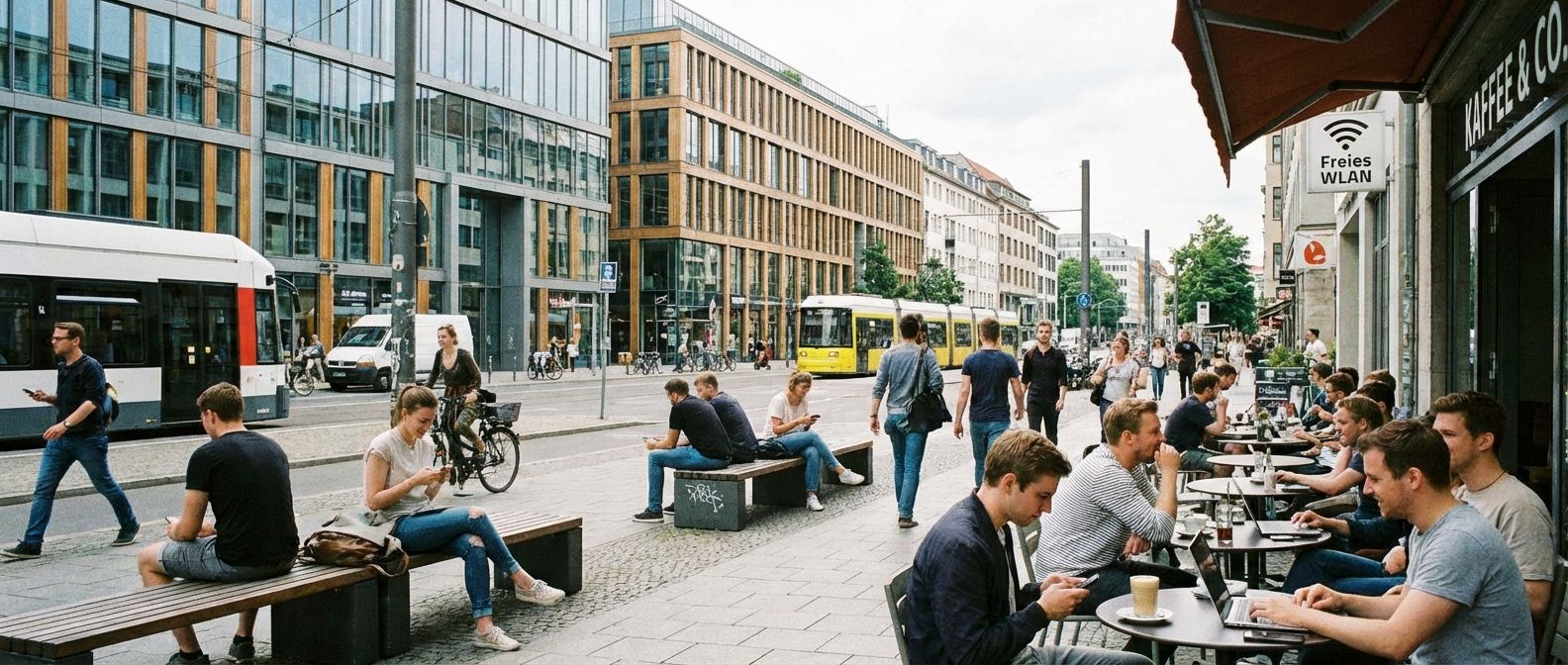
GCSE German: Theme 1 - Technology in Everyday Life
This deck covers the AQA GCSE German vocabulary for 'Technology in everyday life'. You will learn key nouns and verbs, how to express opinions on the advantages and disadvantages of technology, and practice using the accusative case with technology-related verbs.

GCSE German: Core Grammar - The Perfect Tense
Introduces the perfect tense to describe past events. Covers the formation of the tense with the auxiliary verbs 'haben' and 'sein' and the formation of regular and common irregular past participles.

GCSE German: Theme 1 - Free-time Activities
Learn vocabulary for hobbies like music, sport, and cinema. Master the perfect tense to describe what you did in the past, and learn to express your opinions on different activities.
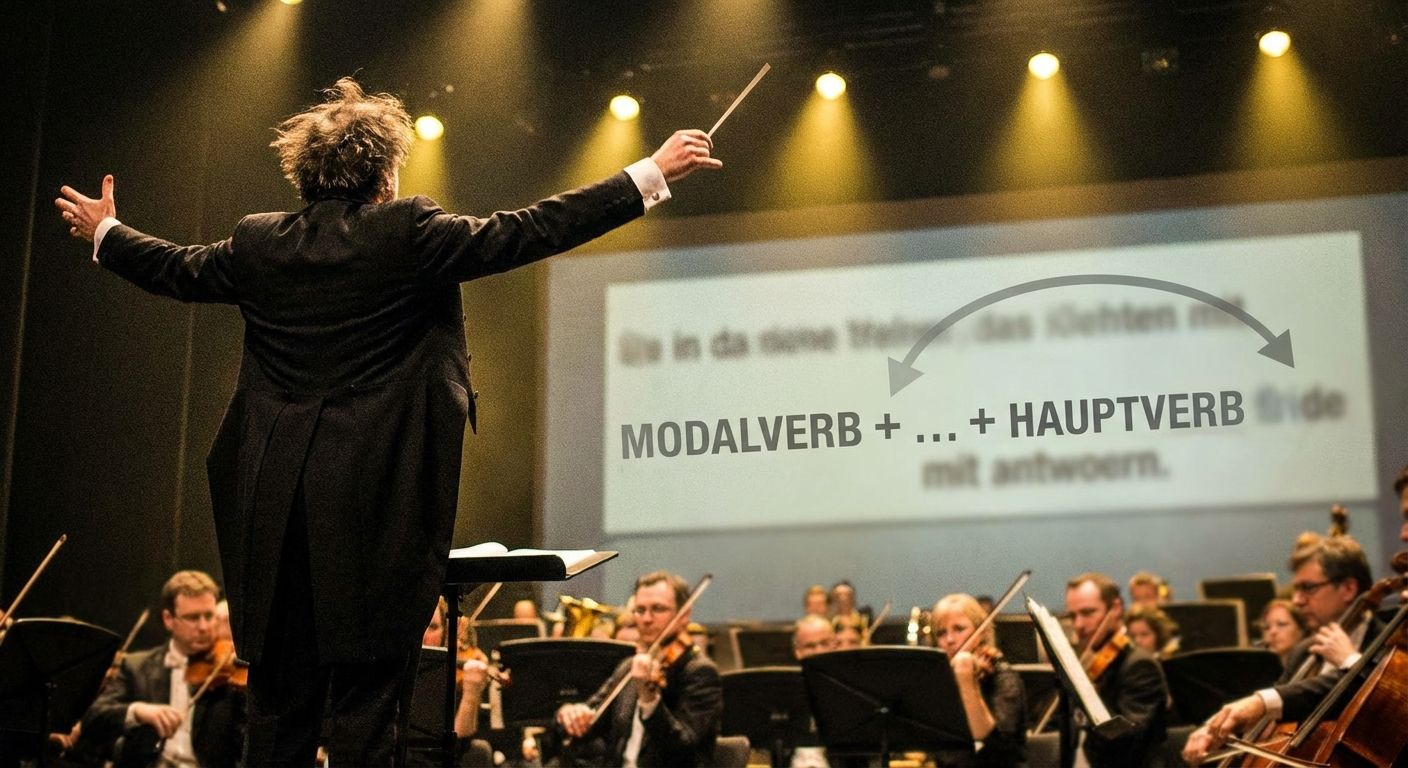
GCSE German: Core Grammar - Modal Verbs
Introduces the six German modal verbs (können, müssen, dürfen, sollen, wollen, mögen) in the present tense. Covers their conjugation and the correct word order in sentences with a modal verb and an infinitive.

GCSE German: Theme 1 - Customs and Festivals
Covers the AQA vocabulary for Theme 1, Sub-topic 4: 'Customs and festivals in German-speaking countries'. Practices using modal verbs to discuss plans and traditions.
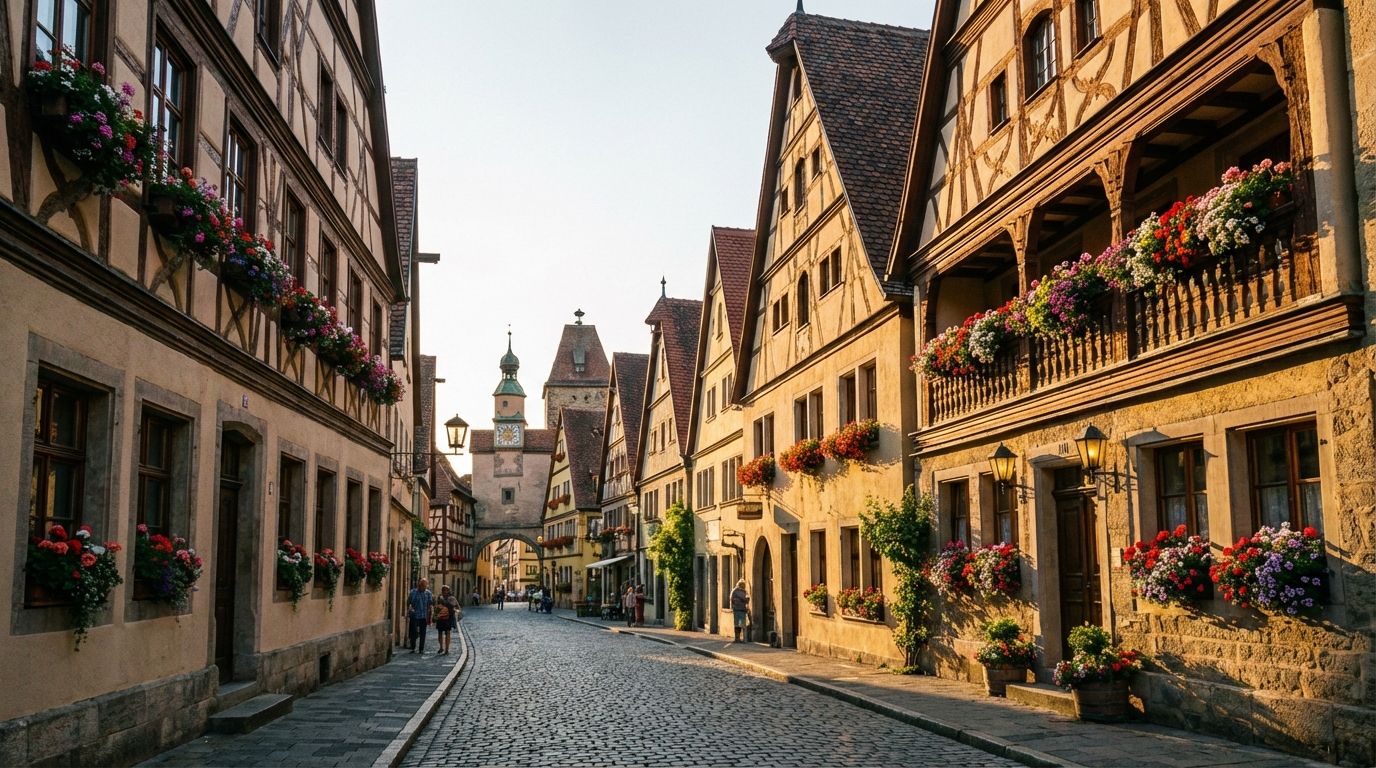
GCSE German: Theme 2 - Home, Town, Neighbourhood and Region
Covers the AQA vocabulary for Theme 2, Sub-topic 1: 'Home, town, neighbourhood and region'. Introduces prepositions that take the dative case (e.g., 'in', 'an', 'auf') to describe location.

GCSE German: Core Grammar - The Dative Case
Provides a full explanation of the dative case for indirect objects and after specific prepositions. Covers the changes to articles (dem, der, dem, den) and pronouns (mir, dir, ihm, ihr) in the dative case.

GCSE German: Theme 2 - Social and Global Issues
Covers AQA vocabulary for Theme 2, Sub-topics 2 & 3: 'Social issues' (e.g., healthy living, charity) and 'Global issues' (e.g., the environment, poverty). Practices using the dative case and giving opinions on these topics.
GCSE German: Core Grammar - The Future Tense
Introduces the future tense using 'werden' plus an infinitive. Covers the conjugation of 'werden' and the correct word order for forming future tense sentences.
GCSE German: Theme 2 - Travel and Tourism
Covers the AQA vocabulary for Theme 2, Sub-topic 4: 'Travel and tourism'. Provides extensive practice of the future tense to discuss holiday plans and the perfect tense to describe past holidays.
GCSE German: Theme 3 - My Studies and Life at School
A vocabulary and phrase builder covering the AQA GCSE German topic of school life. Learn to describe subjects, routines, and express opinions using present, past, and future tenses.

GCSE German: Core Grammar - The Conditional
Introduces the conditional mood using 'würde' plus an infinitive to talk about hypothetical situations ('I would...'). Covers the conjugation of 'würde' and the correct sentence structure.
GCSE German: Theme 3 - Post-16 and Career Ambitions
Covers AQA vocabulary for Theme 3, Sub-topics 3 & 4: 'Education post-16' and 'Jobs, career choices and ambitions'. Practices using the conditional and future tenses to discuss future plans and ideal jobs.

GCSE German: Higher Tier Grammar - Pluperfect and Imperfect
For Higher Tier students. This deck introduces the pluperfect tense ('I had done') and revisits the imperfect tense ('I was doing'), explaining the distinction and use cases for all three past tenses (perfect, imperfect, pluperfect).
GCSE German: Higher Tier Grammar - Passive Voice and Subjunctive
For Higher Tier students. Introduces the passive voice in the present and perfect tenses ('it is done', 'it has been done'). Also introduces the subjunctive mood (Konjunktiv II) for politeness and hypothetical situations beyond the simple conditional.

GCSE German: Exam Skills - Speaking (Role-Play and Photo Card)
Focuses on the techniques for Paper 2 (Speaking). Covers how to prepare and perform in the role-play, including understanding prompts and asking questions. Provides strategies for describing a photo card and answering related questions.

GCSE German: Exam Skills - Speaking (General Conversation)
Focuses on the techniques for the general conversation part of Paper 2 (Speaking). Covers strategies for developing answers, giving opinions, and using a range of tenses and vocabulary across the two chosen themes.

GCSE German: Exam Skills - Writing and Translation
Focuses on the techniques for Paper 4 (Writing). Covers how to approach the structured and open-ended writing tasks, including time management and hitting all bullet points. Provides strategies for the translation from English into German.

GCSE German: Exam Skills - Listening and Reading
This deck provides essential strategies for the AQA GCSE German Paper 1 (Listening) and Paper 3 (Reading). Learn how to approach different question types, deal with unfamiliar vocabulary, and accurately translate from German to English to maximise your exam performance.
Learn GCSE German (AQA) differently
Auracle is an audio-first learning platform built for busy people. Memorize anything without looking at a screen.
Hands-Free Learning
Listen, interact, and review cards entirely through audio. Perfect for commuting, walking, or at the gym.
Spaced Repetition
Auracle uses a scientific algorithm to schedule your reviews at the optimal time, ensuring you never forget what you learn.
Learn how it works