
GCSE Physics (AQA): Paper 1
All the content for AQA GCSE Physics Paper 1 – Energy, Electricity, Particles, and Atomic Structure – broken down for audio.
GCSE Physics (AQA): Paper 1
All the content for AQA GCSE Physics Paper 1 – Energy, Electricity, Particles, and Atomic Structure – broken down for audio.
Decks in this Course
20 items
AQA GCSE Physics: Energy Stores and Systems
Covers the eight main energy stores, the concept of a system, energy transfers by heating, work done, and electrical work, and the calculation of kinetic energy, gravitational potential energy, and elastic potential energy. Also introduces the concept of power.
AQA GCSE Physics: Conservation and Efficiency
Covers the principle of conservation of energy, closed systems, energy dissipation (wasted energy), reducing unwanted energy transfers, thermal conductivity, and the calculation of energy efficiency.

AQA GCSE Physics: Energy Resources
Covers the main energy resources available for use on Earth, distinguishing between renewable and non-renewable sources. Includes fossil fuels, nuclear fuel, bio-fuel, wind, hydro-electricity, geothermal, tides, the Sun, and water waves, along with their uses and environmental impacts.
AQA GCSE Physics: Current, Potential Difference and Resistance
Introduces fundamental concepts of electricity including standard circuit diagram symbols, electric charge, current, potential difference (voltage), and resistance. Covers the relationship between these quantities (Ohm's Law) and the factors affecting resistance.

AQA GCSE Physics: Series and Parallel Circuits
Covers the rules for current, potential difference, and resistance in series and parallel circuits. Includes how to calculate total resistance for components in series and parallel (qualitatively for parallel).
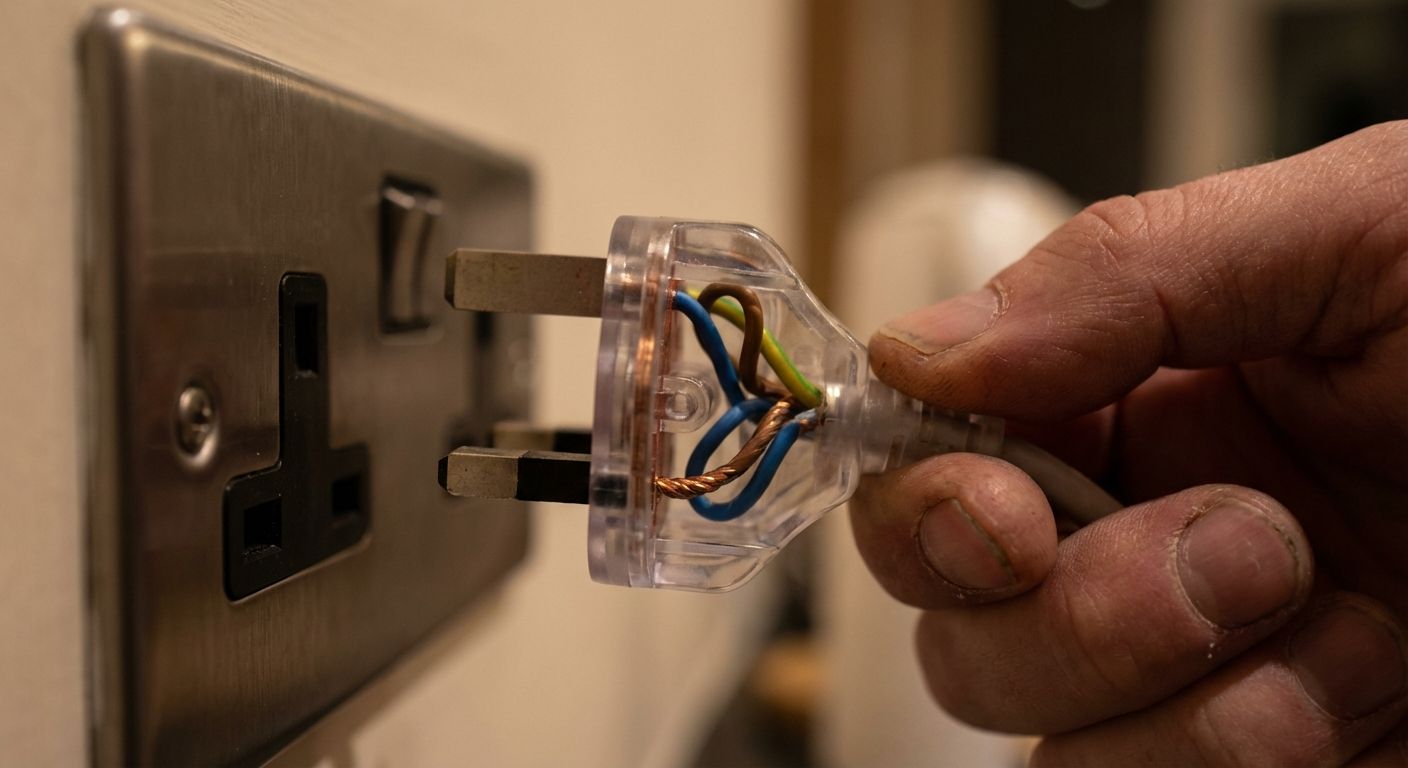
AQA GCSE Physics: Domestic Electricity and Safety
Covers the difference between direct and alternating potential difference, the features of the UK domestic mains electricity supply (voltage and frequency), and the wiring and safety features of a standard three-pin plug (live, neutral, earth wires, and the fuse).
AQA GCSE Physics: Electrical Power and the National Grid
Covers the calculation of electrical power and energy transferred in circuits and appliances. Explains the structure and function of the National Grid, including the role of step-up and step-down transformers in efficient energy transmission.

AQA GCSE Physics: Static Electricity
Explains the generation of static electricity in insulators by friction, through the transfer of electrons. Covers the forces of attraction and repulsion between charged objects and the concept of an electric field.
AQA GCSE Physics: Density and Changes of State
Covers the particle model of matter for solids, liquids, and gases. Introduces the concept of density and its calculation. Describes the six changes of state (melting, freezing, boiling, condensing, evaporating, sublimating) and explains them using the particle model.

AQA GCSE Physics: Internal Energy and Heat
Defines internal energy as the total kinetic and potential energy of particles in a system. Covers specific heat capacity and the energy changes when a substance is heated. Also covers specific latent heat and the energy changes during a change of state.

AQA GCSE Physics: Gas Pressure
Explains gas pressure in terms of the collisions of gas particles with the walls of a container. Covers the relationship between the pressure and volume of a gas at constant temperature, and how changing the temperature of a gas affects its pressure at constant volume.
AQA GCSE Physics: Atomic Structure and Isotopes
Covers the modern model of the atom, including protons, neutrons, and electrons and their relative charges and masses. Defines atomic number and mass number, and explains the concept of isotopes. Also covers the historical development of the atomic model from Dalton to Bohr.
AQA GCSE Physics: Radioactive Decay
Covers the process of radioactive decay in unstable atomic nuclei. Describes the nature, properties (penetrating power, ionising power, range in air), and symbols of alpha particles, beta particles, and gamma rays. Includes how to write and balance nuclear equations for radioactive decay.
AQA GCSE Physics: Half-Life and Radioactivity Hazards
Defines half-life and explains the random nature of radioactive decay. Covers how to determine half-life from a graph. Distinguishes between radioactive contamination and irradiation and describes the associated hazards. Also covers sources of background radiation.
AQA GCSE Physics: Uses, Fission and Fusion
Covers the uses of nuclear radiation in medicine (exploration and treatment) and industry, linking uses to the properties of the radiation and the half-life of the source. Describes the processes of nuclear fission (including chain reactions) and nuclear fusion, and their roles in power generation and stars.

AQA GCSE Physics: Required Practical - Density
This deck covers the AQA GCSE Physics Required Practical on density. You will learn the methods for determining the density of regular solids, irregular solids, and liquids, including the apparatus used, key measurements, and the final calculation. We'll also cover common sources of error and how to improve the accuracy of your results.
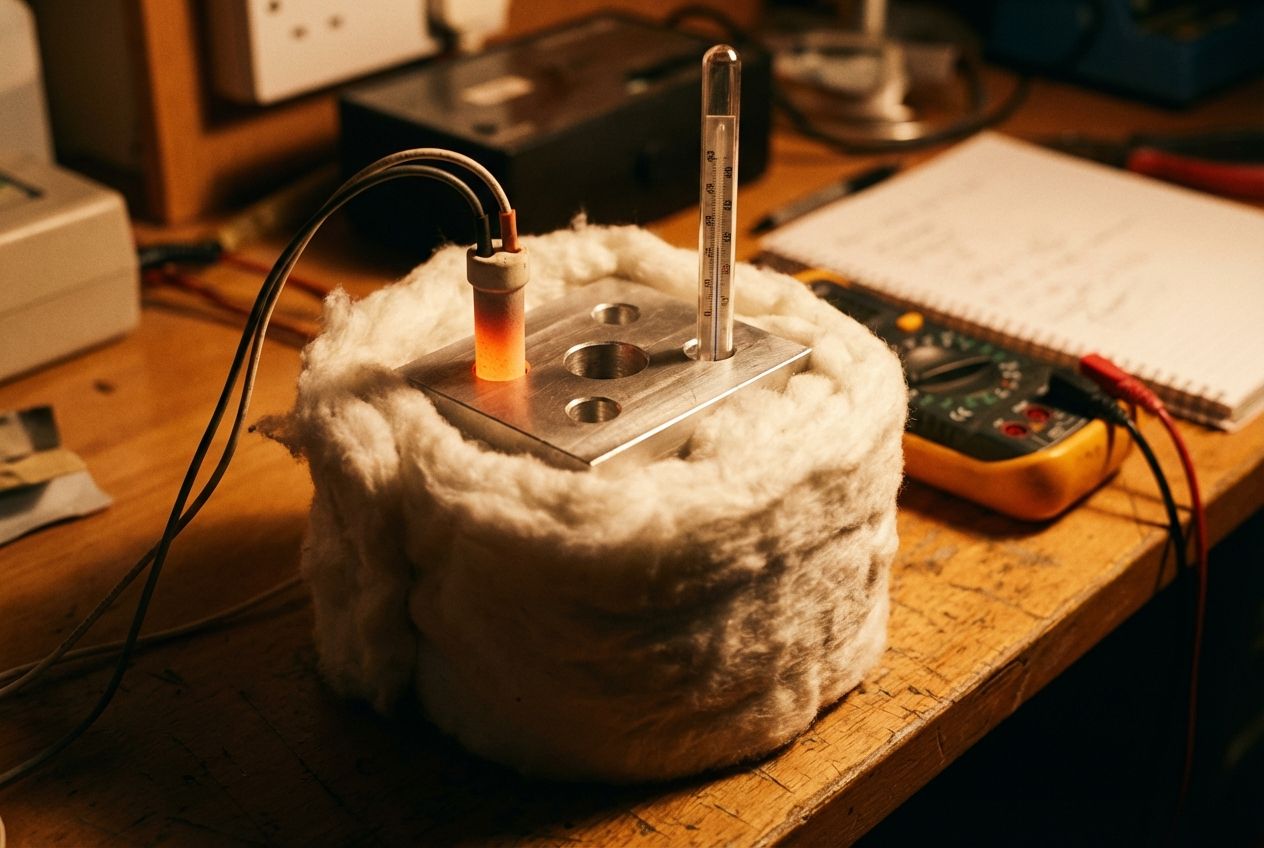
AQA GCSE Physics: Required Practical - Specific Heat Capacity
Covers the method for Required Practical 1: determining the specific heat capacity of a material. Includes the circuit, apparatus, measurements, calculations, and common sources of error like thermal energy loss.

AQA GCSE Physics: Required Practical - Thermal Insulation
Covers the method for Required Practical 2: investigating the effectiveness of different materials as thermal insulators. Includes independent, dependent, and control variables, the method, and how to draw a valid conclusion.
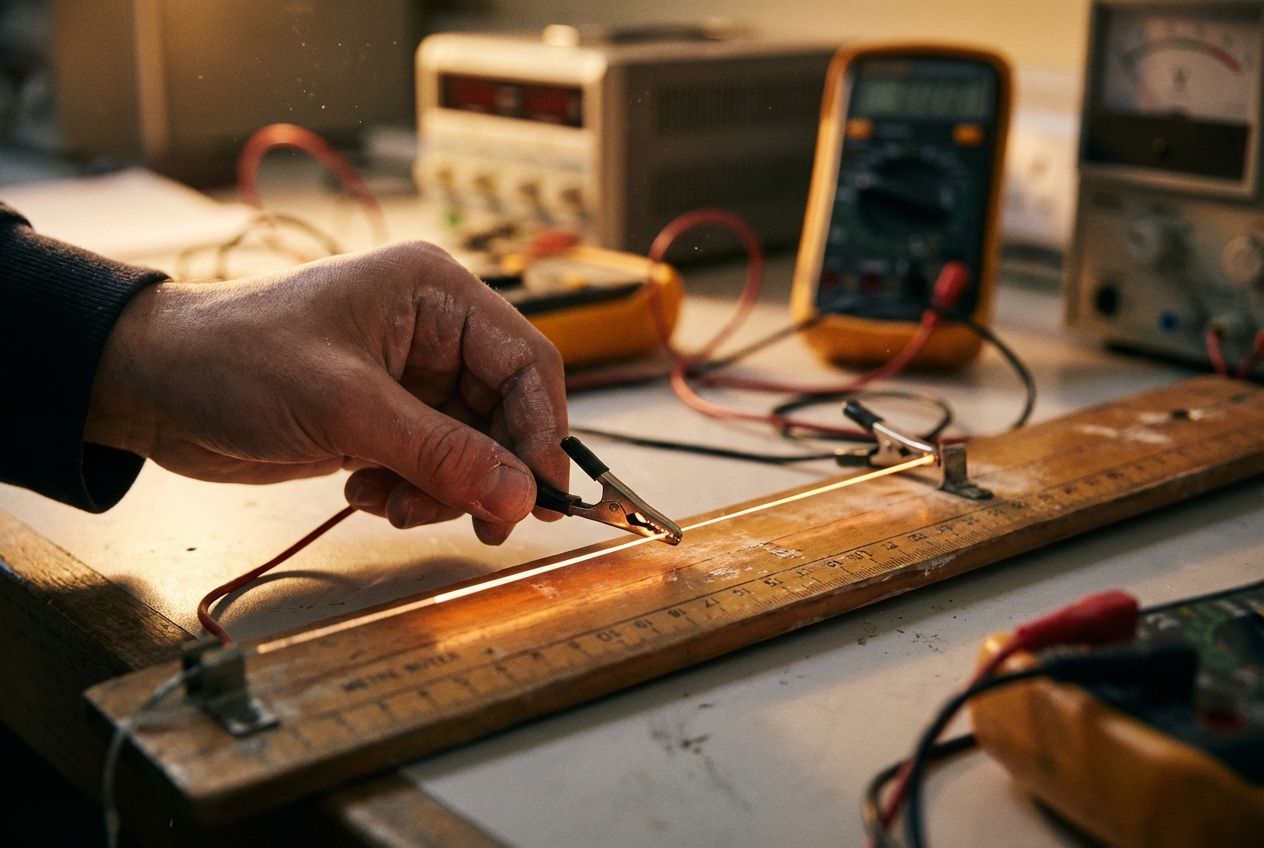
AQA GCSE Physics: Required Practical - Resistance
Covers the method for Required Practical 3: investigating the factors affecting resistance, focusing on the length of a wire. Includes the circuit diagram, variables, method, and potential errors such as heating effects.
AQA GCSE Physics: Required Practical - I-V Characteristics
Covers the method for Required Practical 4: investigating the current-voltage (I-V) characteristics of a resistor, a filament lamp, and a diode. Includes the circuit diagram, method, and interpretation of the resulting graphs.
Learn GCSE Physics (AQA): Paper 1 differently
Auracle is an audio-first learning platform built for busy people. Memorize anything without looking at a screen.
Hands-Free Learning
Listen, interact, and review cards entirely through audio. Perfect for commuting, walking, or at the gym.
Spaced Repetition
Auracle uses a scientific algorithm to schedule your reviews at the optimal time, ensuring you never forget what you learn.
Learn how it works