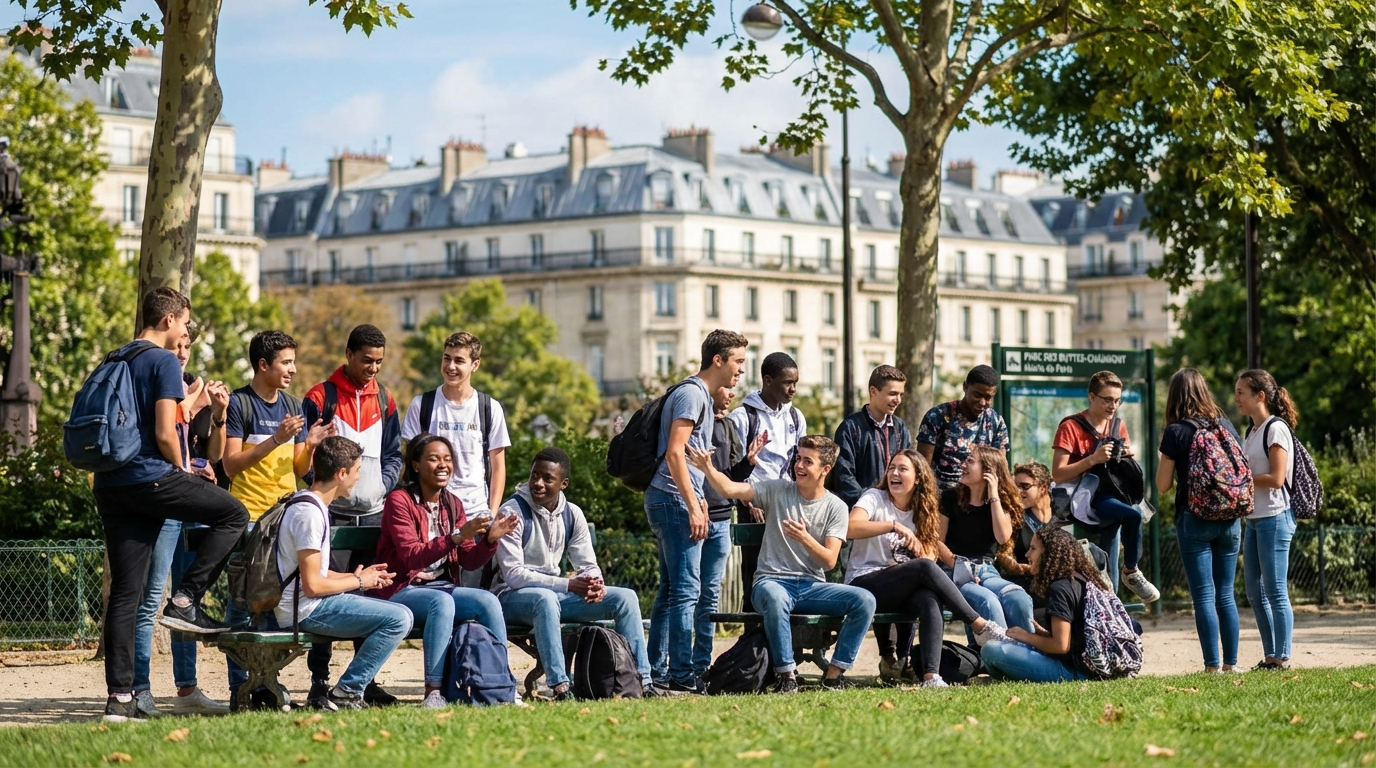
GCSE French (AQA)
The entire AQA GCSE French specification, built for your headphones. All the grammar, vocab, and themes for both Foundation and Higher tiers.
GCSE French (AQA)
The entire AQA GCSE French specification, built for your headphones. All the grammar, vocab, and themes for both Foundation and Higher tiers.
Decks in this Course
32 items
AQA GCSE French: Course Introduction
An introduction to the AQA GCSE French course structure, covering the three main themes, the four exam papers, and the difference between Foundation and Higher tiers. This deck sets expectations for learning and revision.

AQA GCSE French: Core Grammar - Nouns, Genders and Articles
Learn and practice the fundamental concepts of noun gender (masculine/feminine) and the use of definite (le, la, les), indefinite (un, une, des), and partitive (du, de la, de l') articles.
AQA GCSE French: The Present Tense - Regular Verbs
Master the conjugation of regular -er, -ir, and -re verbs in the present tense. This deck covers the rules and provides extensive practice for all subject pronouns.

AQA GCSE French: The Present Tense - Key Irregular Verbs
Learn the present tense conjugations of the four most important irregular verbs: être (to be), avoir (to have), aller (to go), and faire (to do/make).
AQA GCSE French: Adjective Agreement and Position
This deck teaches the rules for French adjective agreement in gender and number. You'll learn the standard position of adjectives after the noun and memorise the common BAGS exceptions (Beauty, Age, Goodness, Size) that come before the noun.

AQA GCSE French: Theme 1 - Me, My Family and Friends
Learn essential French vocabulary and phrases to describe yourself, your family, and your friends. This deck covers personality, physical appearance, relationships, and the correct use of possessive adjectives (mon, ma, mes etc.).

AQA GCSE French: The Perfect Tense (Passé Composé) with Avoir
Learn how to form the perfect tense with the auxiliary verb 'avoir' to talk about completed actions in the past. This includes forming the past participle for regular -er, -ir, and -re verbs, and key irregulars.
AQA GCSE French: The Perfect Tense (Passé Composé) with Être
Learn how to form the perfect tense (passé composé) with the auxiliary verb 'être'. This deck covers the specific verbs of motion that use 'être' (DR MRS VANDERTRAMP), reflexive verbs, and the crucial rule of past participle agreement with the subject.

AQA GCSE French: Theme 1 - Technology in Everyday Life
Learn essential French vocabulary for technology, including phones, the internet, and social media. This deck covers how to discuss the pros and cons of technology and how to use the perfect tense (passé composé) to describe your past activities online.

AQA GCSE French: Theme 1 - Free-time Activities
Learn vocabulary for hobbies and interests such as music, cinema, reading, sport, and food. Practice using opinion phrases followed by infinitives (e.g., 'J'aime jouer au foot').
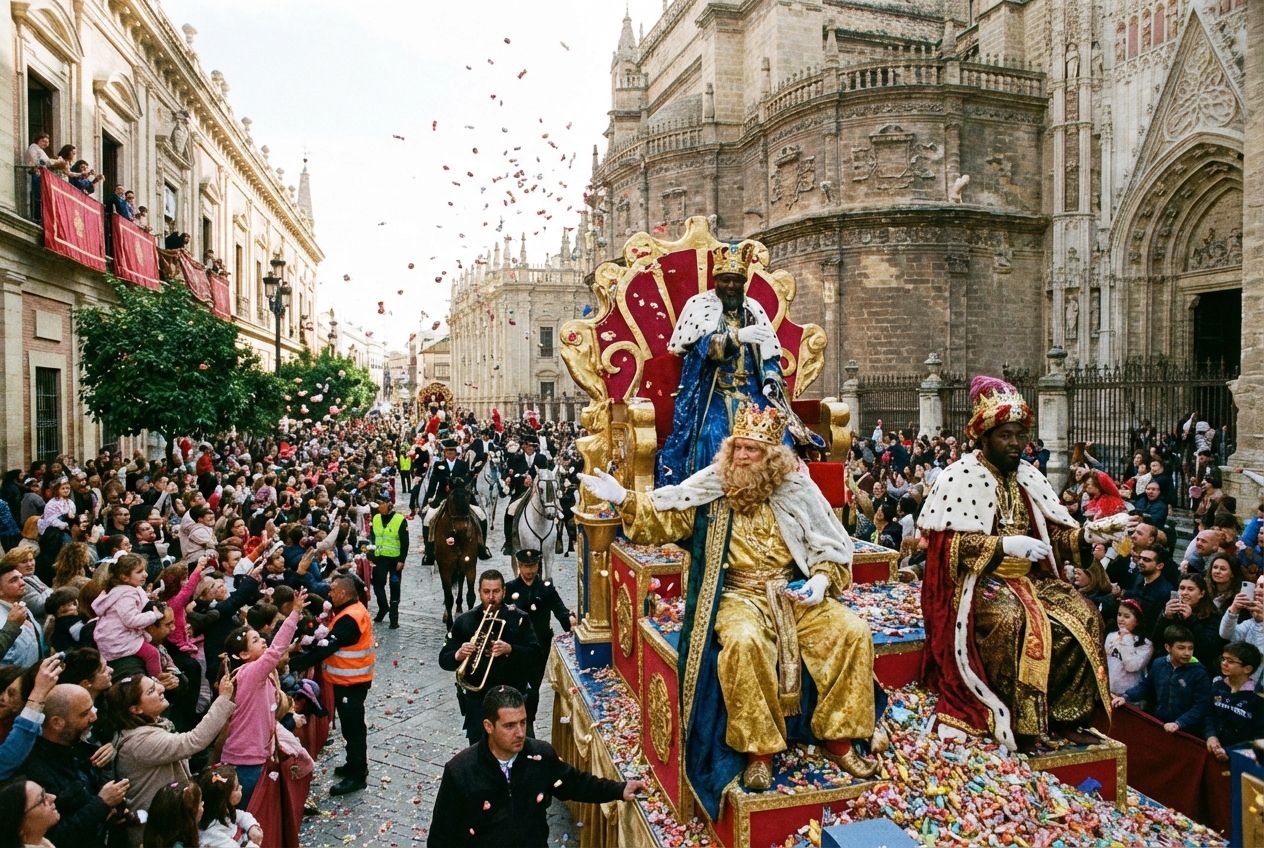
AQA GCSE French: Theme 1 - Customs and Festivals
Learn vocabulary related to customs, traditions, and festivals in France and French-speaking countries. Practice describing events using the present and perfect tenses.

AQA GCSE French: The Near Future Tense (Futur Proche)
Learn to form and use the near future tense by combining the present tense of 'aller' with an infinitive verb. This tense is used to talk about immediate plans and intentions.
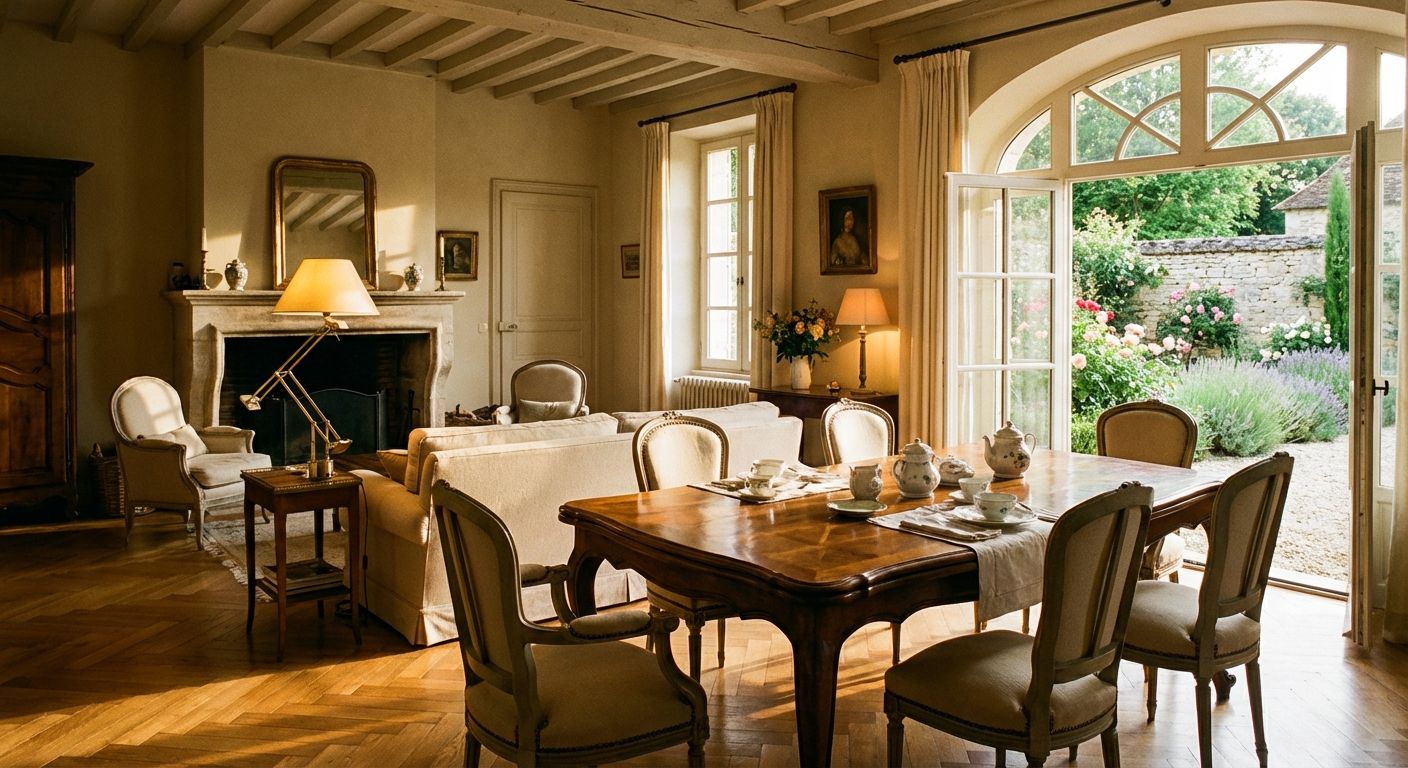
AQA GCSE French: Theme 2 - Home, Town, Neighbourhood and Region
Learn essential French vocabulary to describe your house, town, and local area. This deck covers rooms, places in town, prepositions of place, and how to talk about your plans using the near future tense.
AQA GCSE French: The Imperfect Tense (Imparfait)
Learn how to form and use the imperfect tense to describe past habits, ongoing situations, and what things were like in the past (e.g., 'I used to...', 'It was...').

AQA GCSE French: Perfect vs Imperfect Tenses
A crucial deck focusing on the difference between the perfect tense (for specific, completed actions) and the imperfect tense (for descriptions, background, and habitual actions).

AQA GCSE French: Theme 2 - Social and Global Issues
Learn vocabulary for social issues (e.g., charity, healthy living) and global issues (e.g., the environment, poverty). Practice using 'il faut' (one must) to give advice.

AQA GCSE French: The Simple Future Tense (Futur Simple)
Learn to form and use the simple future tense to talk about more distant or certain future events ('I will...'). This includes regular formations and key irregular stems.
AQA GCSE French: The Conditional Tense
Learn to form and use the conditional tense to talk about what 'would' happen. This includes regular formations and the same irregular stems as the future tense.
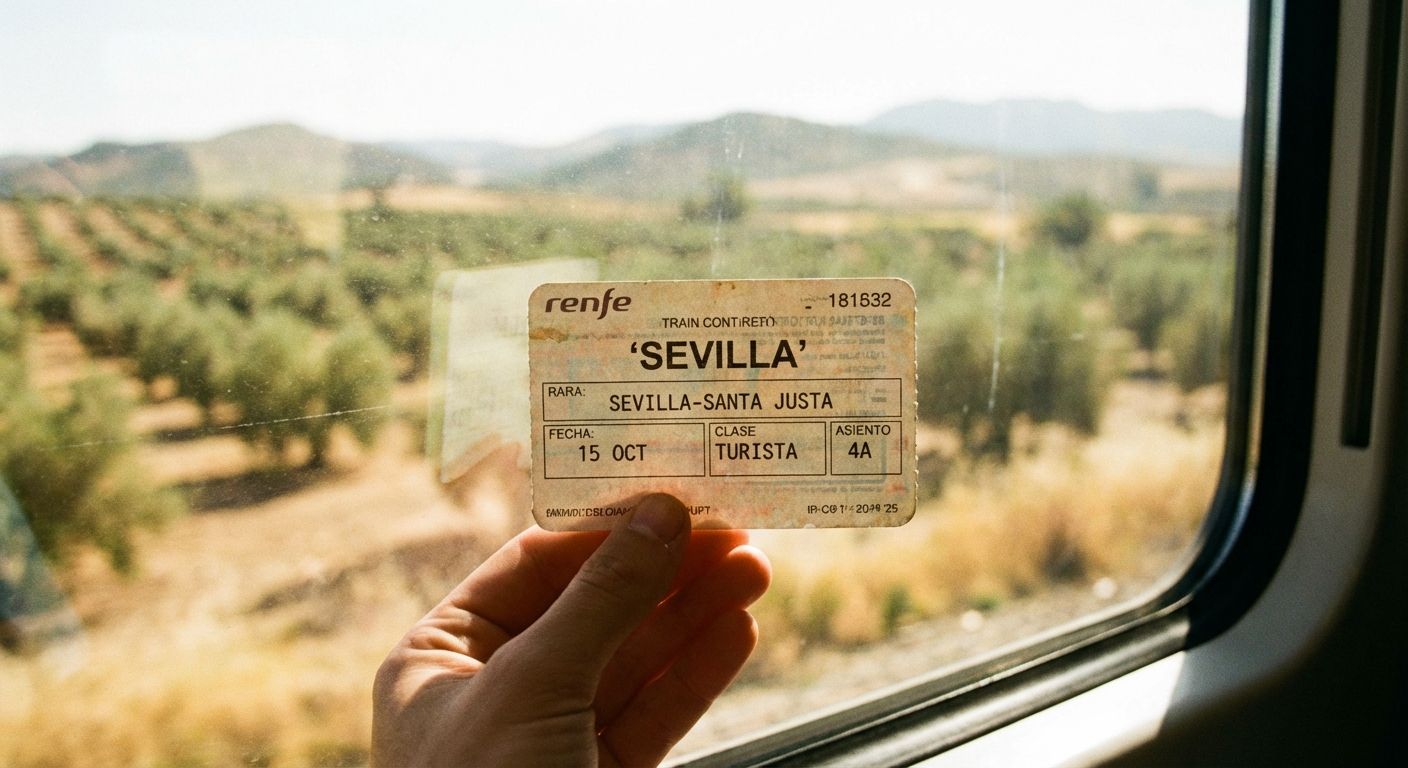
AQA GCSE French: Theme 2 - Travel and Tourism
Learn French vocabulary for holidays, transport, and accommodation. This deck also provides extensive practice in using past, future, and conditional tenses to describe and discuss travel experiences, in line with the AQA GCSE specification.

AQA GCSE French: Theme 3 - My Studies
Learn essential French vocabulary for school subjects and daily school life. This deck covers how to express opinions on subjects and teachers, and teaches you how to make comparisons using comparative ('plus... que') and superlative ('le plus...') structures, as required for the AQA GCSE.
AQA GCSE French: Object Pronouns
Learn to use French direct object pronouns (le, la, les) and indirect object pronouns (lui, leur). This deck covers how to choose the correct pronoun and where to place it in a sentence to avoid repetition.
AQA GCSE French: Theme 3 - Life at School and Post-16 Education
Learn vocabulary for the school day, rules, uniform, and future study plans. Practice using a range of tenses to discuss school life and future ambitions.

AQA GCSE French: Theme 3 - Jobs, Career Choices and Ambitions
Learn vocabulary for different jobs and the world of work. Solidify the use of the conditional and future tenses to talk about career ambitions and what is important to you in a job.

AQA GCSE French: Advanced Pronouns (Higher Tier)
For Higher Tier students. Master the use of relative pronouns (qui, que, où, dont) to connect clauses and create complex sentences.

AQA GCSE French: The Pluperfect Tense (Plus-que-parfait) (Higher Tier)
For Higher Tier students. Learn to form and use the pluperfect tense (imperfect of avoir/être + past participle) to talk about an action that had happened before another past action.
AQA GCSE French: The Present Subjunctive (Higher Tier)
For Higher Tier students. Learn to form the present subjunctive and use it after expressions of necessity, emotion, doubt, and opinion (e.g., 'il faut que...', 'je veux que...').

AQA GCSE French: Exam Skills - Translation
Develop techniques for translating short passages both from French to English and English to French, focusing on common pitfalls, tense accuracy, and vocabulary.

AQA GCSE French: Exam Skills - Speaking Role-Play
Master the AQA GCSE French Speaking exam role-play task. This deck covers the format of the role-play card, provides key phrases for asking questions and responding to prompts, and teaches you how to handle unexpected situations posed by the examiner.

AQA GCSE French: Exam Skills - Speaking Photo Card
Learn a structured approach (e.g., ACODE) to describe a photo card, covering what is happening, the context, your opinions, and past/future related events.

AQA GCSE French: Exam Skills - Speaking General Conversation
Learn the key skills and strategies for success in the General Conversation part of the AQA GCSE French speaking exam. This deck covers how to develop answers, give opinions, use a range of tenses, and interact confidently with the examiner.
AQA GCSE French: Exam Skills - Writing
Master the AQA GCSE French Writing exam. This deck covers the specific requirements for both Foundation and Higher tiers, including task structures, word counts, use of tenses, and opinion phrases.

AQA GCSE French: Exam Skills - Reading and Listening
Develop strategies for the Reading and Listening exams, including how to identify keywords, deal with distractors, understand different question types, and tackle the literary text extract in the Reading paper.
Learn GCSE French (AQA) differently
Auracle is an audio-first learning platform built for busy people. Memorize anything without looking at a screen.
Hands-Free Learning
Listen, interact, and review cards entirely through audio. Perfect for commuting, walking, or at the gym.
Spaced Repetition
Auracle uses a scientific algorithm to schedule your reviews at the optimal time, ensuring you never forget what you learn.
Learn how it works